

Quick Answer
How long is gum soreness normal after a tooth is pulled?
Soreness and swelling often peak around 48 hours, then slowly ease over several days. Call your dentist if pain gets worse instead of better, lasts more than a week, or comes with pus or a foul taste. Go to the ER or call 911 for facial or neck swelling with fever, fever with worsening pain, trouble swallowing or breathing, or bleeding that will not stop with firm pressure.
Key Takeaways
- Some gum soreness, swelling and mild bleeding are normal in the first few days after an extraction.
- The blood clot in the socket protects bone and nerves, so avoid disturbing it.
- Soreness and swelling often peak around 48 hours, then slowly ease.
- Cold packs, gentle warm salt-water rinses after the first day and careful brushing can ease discomfort while you heal.
- Call your dentist if pain worsens after the first few days, lasts more than a week, or comes with pus or a foul taste.
- Go to the ER or call 911 for facial or neck swelling with fever, fever with worsening pain, trouble swallowing or breathing, or bleeding that will not stop with firm pressure.
When a tooth is removed, it’s common for patients to ask why their gums hurt after tooth extraction. Some gum soreness is a natural part of the body’s healing process, but pain that lingers or worsens could mean something is wrong. Knowing what’s considered normal and what may signal complications helps you care for your mouth and avoid bigger problems later.
Understanding the Healing Process
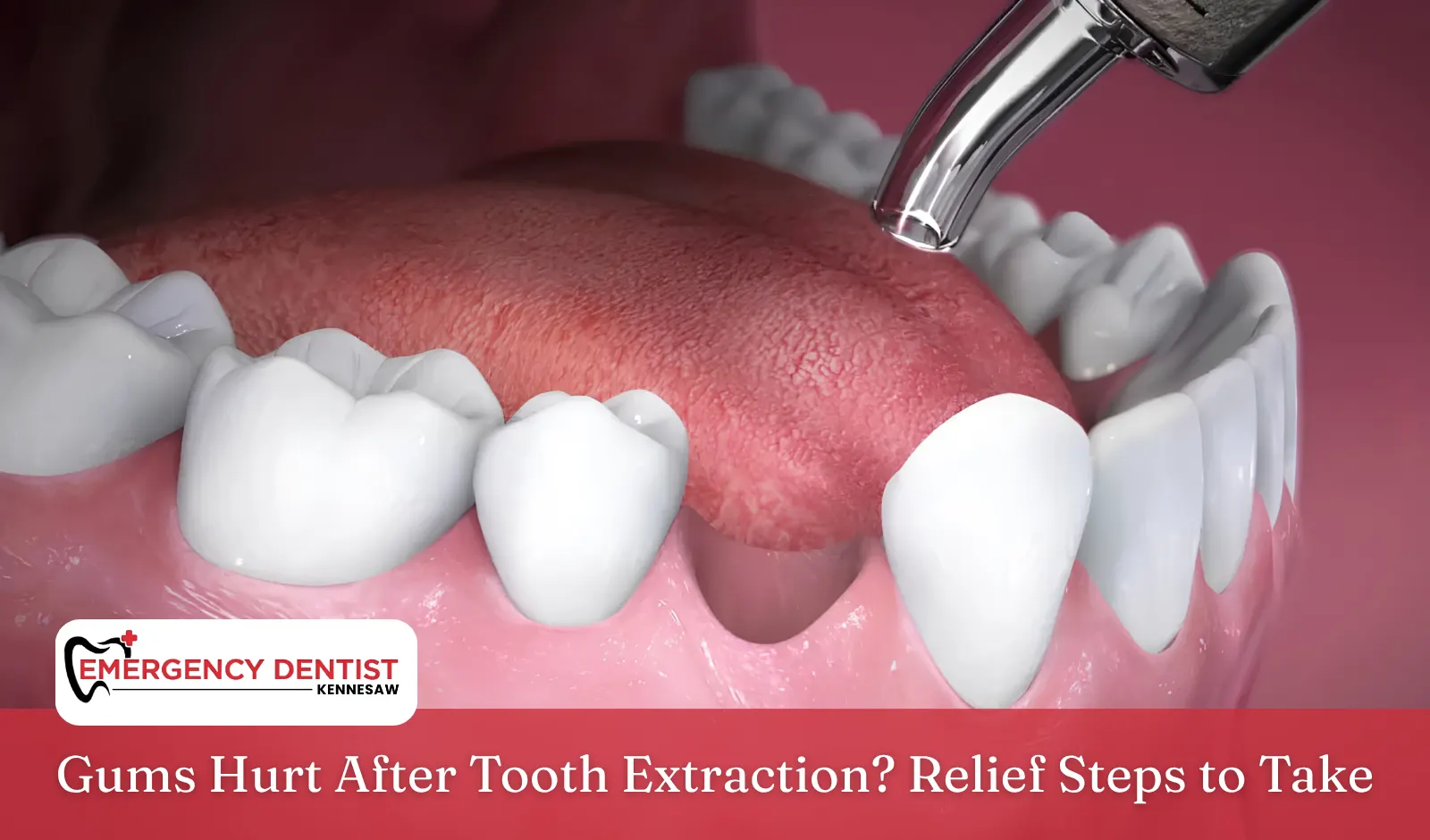
Healing begins right after a tooth is pulled. A blood clot forms in the extraction site, sealing the empty tooth socket and protecting exposed bone and nerves. This clot is essential for proper tooth extraction healing, as it allows the gum tissue to repair and grow.
- First 24 hours: Expect mild bleeding, gum tenderness, and some pain and swelling. Do not disturb the clot. Avoid straws, smoking and forceful spitting, which can loosen it.
- Around 48 hours: Soreness and swollen gums may peak. Using an ice pack can ease swelling and make you more comfortable.
- Several days after the extraction: Discomfort usually fades, though sensitivity may last. If a wisdom tooth was taken out, the recovery often takes longer because of its size and position.
If your gums hurt after tooth extraction for longer than a week, or the pain suddenly gets worse, it’s time to reach out to your dentist.
Related: Recovery and Care During Tooth Extraction Healing Stages
When Gum Pain Is Normal vs. a Warning
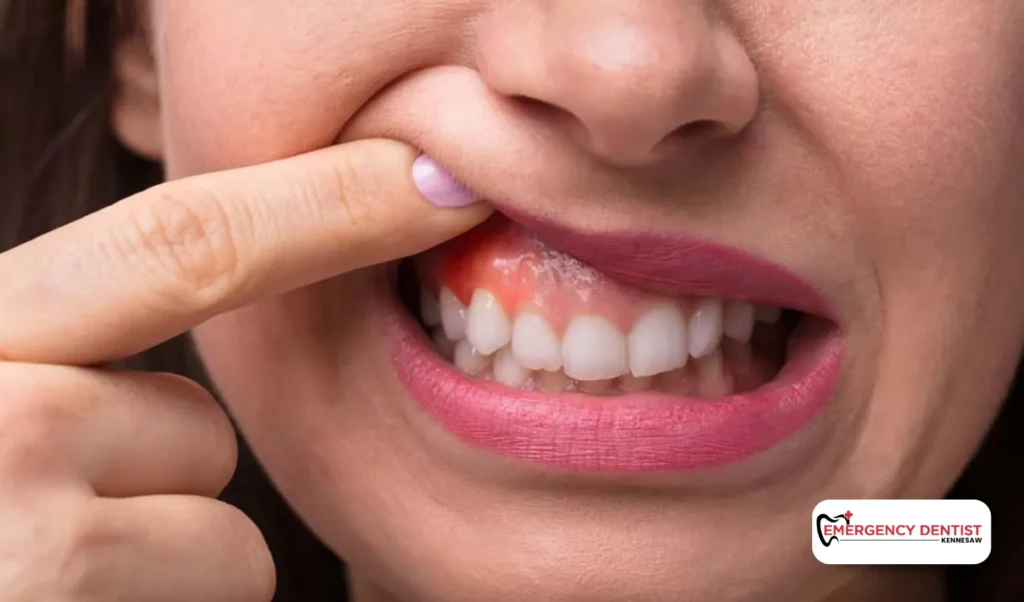
Some tenderness in the extraction area and surrounding gum tissue is expected. You may notice sensitivity while chewing or when exposed to hot and cold temperatures.
However, call your dentist if your gums hurt after tooth extraction and the pain gets worse instead of better after the first few days. Other warning signs include an ongoing foul taste in your mouth, worsening swelling, or sharp pain. These may mean your healing is not going smoothly.
Complications That Can Occur
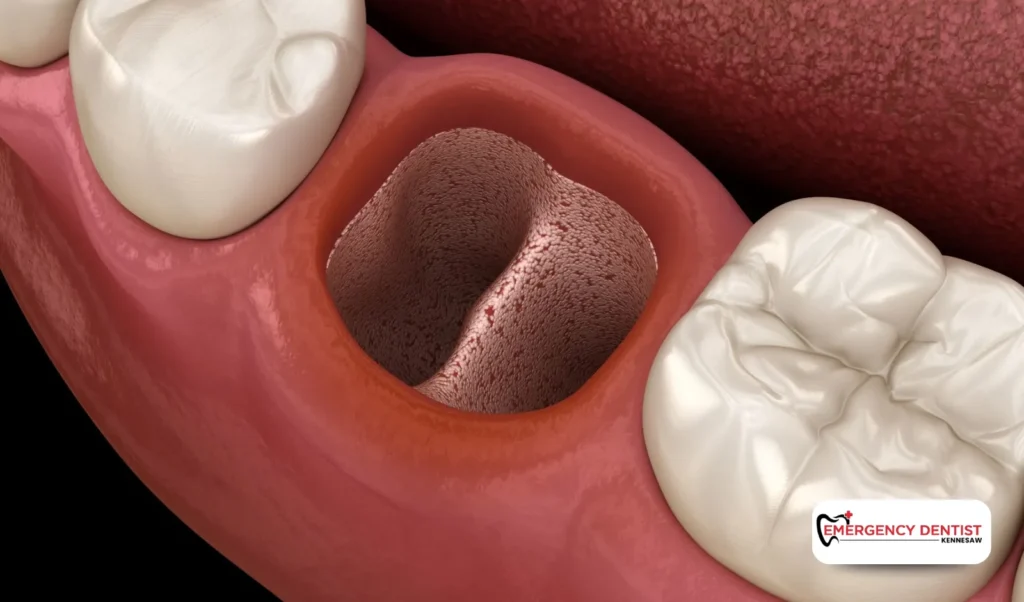
While most patients heal without issue, complications can happen:
- Dry socket: This occurs when the blood clot is lost too early, leaving the empty tooth socket exposed. The exposed bone and nerves can cause severe pain, often worse than the original toothache. It often starts a few days after the extraction and needs a dentist’s care.
- Signs of infection: Watch for fever, pus, redness, or worsening pain and swelling in the extraction site or surrounding tissues. An infection needs professional care and will not clear up on its own.
- Bad breath or foul tastes: Persistent bad breath or an unpleasant taste in your mouth could mean food debris or bacteria are interfering with healing.
If you notice any of these problems, contact our team or your dentist right away. If you have facial or neck swelling with fever, fever with worsening pain, or trouble swallowing or breathing, go to the ER or call 911.
Related: Dry Socket After Tooth Extraction: Symptoms and Care
Home Care for Gums After Tooth Extraction
Our team recommends these steps to protect the gums after tooth extraction and ease discomfort while you heal:
- Apply an ice pack: Wrap it in a cloth and hold it on your cheek for 15 minutes at a time during the first 24 to 48 hours to reduce swelling.
- Rinse with salt water: After the first day, gently rinse your mouth with warm salt water two to three times daily to clean the extraction area. Let the water fall out of your mouth instead of spitting hard, so the clot stays in place.
- Use pain relievers safely: Take any pain medicine your dentist recommended. Over-the-counter pain relievers can help if used as directed on the label and if they are safe for you.
- Brush your teeth carefully: Keep brushing, but avoid direct contact with the extraction site. Gentle care prevents irritation.
- Maintain oral hygiene: Good oral hygiene keeps bacteria levels low and supports healing of the surrounding gum tissue.
These simple steps help ease discomfort and lower the risk of complications, but they do not replace a dental visit if warning signs appear.
Related: After Tooth Extraction White Gums: Recovery Signs to Know
Common Side Effects During Recovery

In the first few days after the extraction, patients often notice:
- Tastes in your mouth: Metallic or bitter flavors may come from blood or tissue healing.
- Bad breath: This is common in the early days but should improve as your gums heal.
- Swollen gums: Some swelling is part of the process, but if it worsens after 48 hours, you should contact your dentist.
These side effects generally fade as the healing process continues, provided you follow proper aftercare.
Related: White Stuff in Tooth Extraction: What to Expect in Healing
When to See a Dentist
Call your dentist or our team if:
- Your gums still hurt more than a week after the extraction.
- Pain gets worse after the first few days instead of better.
- You notice pus, a strong odor, a foul taste, or swelling that keeps growing.
Go to the ER or call 911 right away if you have:
- Facial or neck swelling, especially with fever
- Fever with worsening pain
- Trouble swallowing or breathing
- Bleeding that will not stop with firm pressure
- A jaw injury or a possible broken jaw
An emergency dentist can examine the extraction site, find the cause, and provide treatment to help stop complications before they get worse.
Final Thoughts
It’s common for gums to hurt after tooth extraction, especially within the first 24 to 48 hours. Tenderness, mild bleeding, swollen gums, and even a metallic taste in your mouth are part of the normal tooth extraction healing process.
Still, you should watch for red flags. Persistent or worsening pain, dry socket, growing swelling, bad breath, or foul tastes may require professional treatment. Ice packs, gentle salt-water rinses, careful brushing and good oral hygiene can ease discomfort and support healing.
Get Help for Gum Pain After Tooth Extraction in Kennesaw
If pain persists or worsens after a tooth extraction, don’t ignore the warning signs. Emergency Dentist Kennesaw can evaluate your symptoms, check for possible complications, and recommend appropriate treatment. Learn more about our tooth extraction services and schedule a dental evaluation today.
Frequently Asked Questions
Is it normal for my gums to hurt after a tooth extraction?
Yes, some gum soreness, tenderness and swelling are normal for the first few days. The pain should slowly ease and should not get worse over time.
When does gum pain usually peak after an extraction?
Soreness and swelling often peak around 48 hours after the extraction. After that, discomfort usually fades over several days, though wisdom tooth removal may take longer.
How can I tell if I have a dry socket?
Dry socket usually causes severe pain a few days after the extraction, often worse than the original toothache. If you think you have it, call your dentist, since it needs professional care.
When can I rinse with salt water after an extraction?
Most dentists suggest waiting until after the first day. Then rinse gently two to three times daily and let the water fall out instead of spitting hard.
When should I go to the ER instead of calling a dentist?
Go to the ER or call 911 for facial or neck swelling with fever, fever with worsening pain, trouble swallowing or breathing, bleeding that will not stop with firm pressure, or a jaw injury. These can be signs of a serious problem that needs care right away.
Can an infection after an extraction heal on its own?
No, an infection after an extraction needs a dentist’s care and should not be left to heal on its own. Watch for fever, pus, redness or worsening swelling, and get seen promptly. Go to the ER or call 911 if fever comes with worsening pain or swelling, or if you have trouble swallowing or breathing.