
How Much Does a Dentist Charge for a Root Canal? Key Info
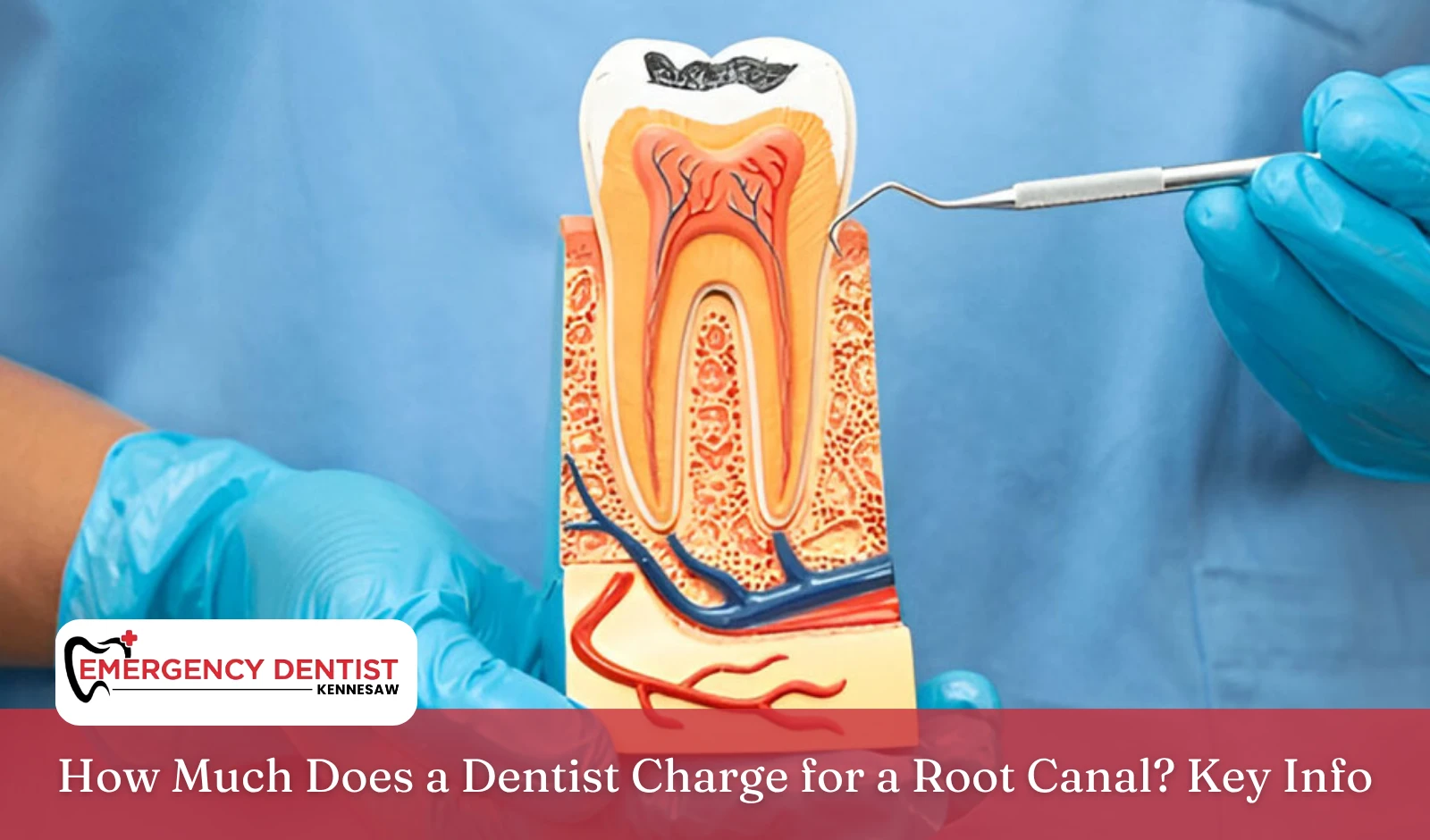
Quick Answer
How much does a dentist charge for a root canal?
The amount a dentist charges depends on the tooth that requires care, how involved the procedure may be, and whether further restorative treatment is recommended. Since those details vary for each tooth, a dental evaluation is generally needed before a specific treatment estimate can be prepared.
Key Takeaways
- The position and internal structure of a tooth can affect the treatment fee.
- Root canal complexity can vary even between similar types of teeth.
- Restorative care after the procedure may be listed as a separate service.
- Insurance benefits depend on the rules and limits of your individual policy.
- A detailed estimate can help you understand which services are part of your treatment plan.
Questions about treatment fees are common when a root canal is recommended. Patients may want to understand not only what the procedure involves but also why the amount they are responsible for can differ from someone else’s.
There is no single root canal pricing figure that applies to every tooth. Differences in tooth anatomy, treatment needs, and the services included by a dental practice can all affect an estimate.
Understanding how these factors fit together can help you review your treatment plan more confidently and know what to ask before care begins.
What Can Influence the Cost of Root Canal Care?
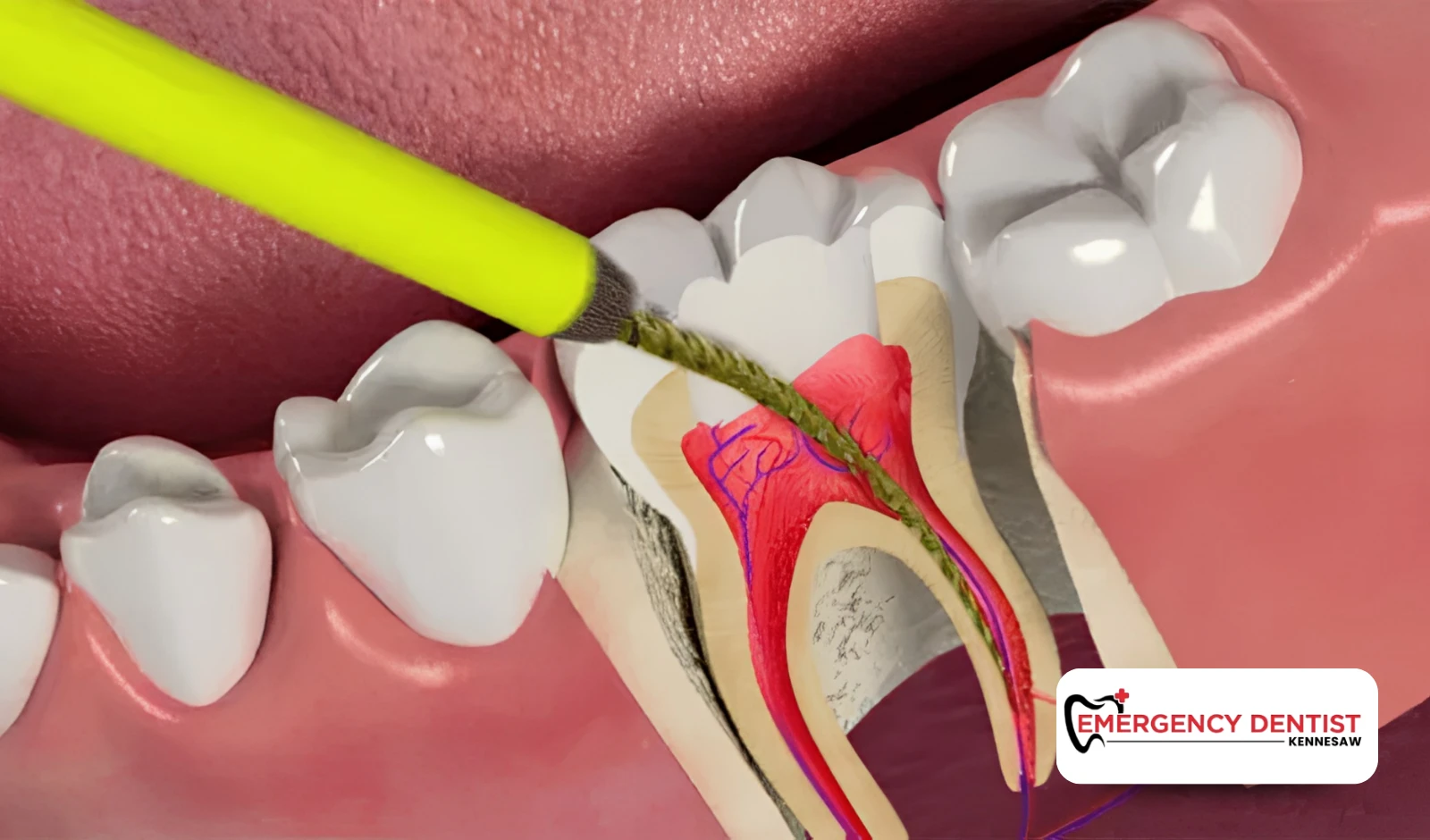
The cost of a root canal is based on several parts of the treatment plan. The type of tooth, the complexity of its canals, the provider performing the procedure, and any restorative work afterward may all be considered.
An examination gives the dentist information about your particular tooth so the proposed care is based on its individual needs.
Which Tooth Needs the Procedure
Tooth location is one consideration because different teeth are built differently below the visible surface.
For example, front teeth often have a simpler internal structure than molars. Teeth farther back in the mouth can have several roots and canals that must be treated as part of the procedure.
However, the internal anatomy of teeth can vary from patient to patient. Two similar teeth do not necessarily have exactly the same canal structure, so the dentist needs to assess the specific tooth before determining the treatment plan.
How Involved the Root Canal May Be
Several features can influence the difficulty of treatment. These include the number and shape of the canals, previous dental work on the tooth, and other structural factors found during the evaluation.
A general dentist can perform root canals in many situations. Some cases may be referred to an endodontist, a dentist who has additional education focused on diagnosing and treating conditions involving the inside of teeth.
Who provides the care and how complex the procedure is may therefore be reflected in the treatment estimate.
Whether the Tooth Requires More Care
The procedure inside the tooth may be only one stage of treatment. Afterward, the dentist may recommend restoring the tooth with a filling, crown, or another type of restoration.
These are separate dental procedures and may not be included in the same charge as the root canal.
When reviewing your treatment plan, ask whether restorative care is already included. If it is listed separately, the dental team can explain when that care is expected and how it fits into the overall plan.
What May Be Included in Root Canal Treatment?
Root canal treatment addresses the tissue and small canal spaces inside a tooth. The procedure generally involves removing unhealthy tissue, cleaning and preparing the canals, and sealing the treated spaces.
Before treatment, the dentist may perform an examination and take dental X-rays. This provides information about parts of the tooth and roots that cannot be viewed during a visual examination alone.
Local anesthesia is commonly used to help keep the area comfortable during treatment. Once the internal procedure is completed, the dentist can determine the appropriate next step for restoring the tooth.
How these services appear on a treatment estimate depends on the dental practice. The examination, imaging, root canal procedure, and final restoration might each be listed separately.
A written breakdown can help you understand what is planned. If you see an unfamiliar item, ask what it means and whether it is required during the same visit or at a later appointment.
How Can Dental Insurance Affect the Amount You Pay?

Dental insurance plans differ in their benefits and requirements. Factors such as deductibles, annual maximums, waiting periods, and provider networks can influence a patient’s responsibility.
Some policies provide coverage for root canals, but the amount of the benefit depends on the individual plan. A covered procedure may still require the patient to pay part of the charge.
To determine whether your benefits cover root canals, review your current policy or contact your insurance provider. The dental office may also be able to check your benefits and provide information about how they are expected to apply.
If your treatment plan includes a filling or crown afterward, check those benefits separately as well. Insurance may classify restorative care differently from the root canal itself.
Understanding your policy before treatment can help you interpret the estimate and prepare for the portion that may remain your responsibility.
Final Thoughts
Root canal fees can vary because treatment is planned around the needs of the individual tooth. Its position, internal structure, treatment complexity, provider, restorative care, and available insurance benefits can all influence what a patient may pay.
If you are researching how much a dentist charges for a root canal, an evaluation and written estimate can provide more useful information than a general figure. Reviewing the proposed dental services also helps you understand which parts of care are included before treatment begins.
Review Your Root Canal Options in Kennesaw
If you have questions about a tooth and want to understand what your treatment may involve, an Emergency Dentist in Kennesaw can assess the affected area and discuss the recommended care with you. Your appointment also gives you an opportunity to review the treatment estimate, ask which services are included, and clarify how your insurance information may apply before scheduling the procedure.
Frequently Asked Questions
How much does a dentist charge for a root canal?
The amount varies depending on the tooth being treated, the complexity of its roots and canals, and the provider performing the procedure. A dental examination is usually needed to provide an estimate based on the specific tooth.
Does the location of the tooth affect the cost of a root canal?
Yes. Tooth location can affect the complexity of treatment. Front teeth often have fewer canals, while molars may have several canals that need to be cleaned, prepared, and sealed.
Is a crown included in the cost of a root canal?
Not always. A crown, filling, or other restoration may be listed separately from the root canal procedure. Ask the dental office for an itemized estimate showing which services are included.
Does dental insurance cover root canals?
Some dental insurance plans provide coverage for root canals, but benefits vary by policy. Deductibles, annual maximums, waiting periods, and network requirements may affect how much your plan pays.
Can I get a root canal cost estimate before treatment?
Yes. After examining the affected tooth and reviewing any necessary X-rays, the dental office can usually provide a treatment estimate. Ask whether the estimate includes the root canal, X-rays, examination, and final restoration.
Why can root canal costs differ from one patient to another?
Root canal costs can differ because teeth vary in their number of roots and canals, internal anatomy, condition, and treatment complexity. The type of restoration needed afterward and insurance benefits can also affect the overall amount.