

Quick Answer
Is white stuff in a tooth extraction site normal during healing?
Yes, a white or light yellow layer can be a normal part of recovery after a tooth extraction. It often comes from fibrin, which helps protect the wound, or new tissue developing inside the socket. However, if the area becomes more painful, swollen, or develops a bad smell, a dentist should check for possible problems.
Key Takeaways
- A pale covering in the extraction socket is often part of the body’s healing process.
- Fibrin and granulation tissue can give the wound a white or yellow appearance.
- The blood clot protects the socket as new tissue develops.
- A white layer alone does not mean the extraction site is infected.
- Gentle cleaning and avoiding smoking or straws can help protect the healing area.
- Increasing pain, swelling, fever, or a bad odor may be signs of a complication.
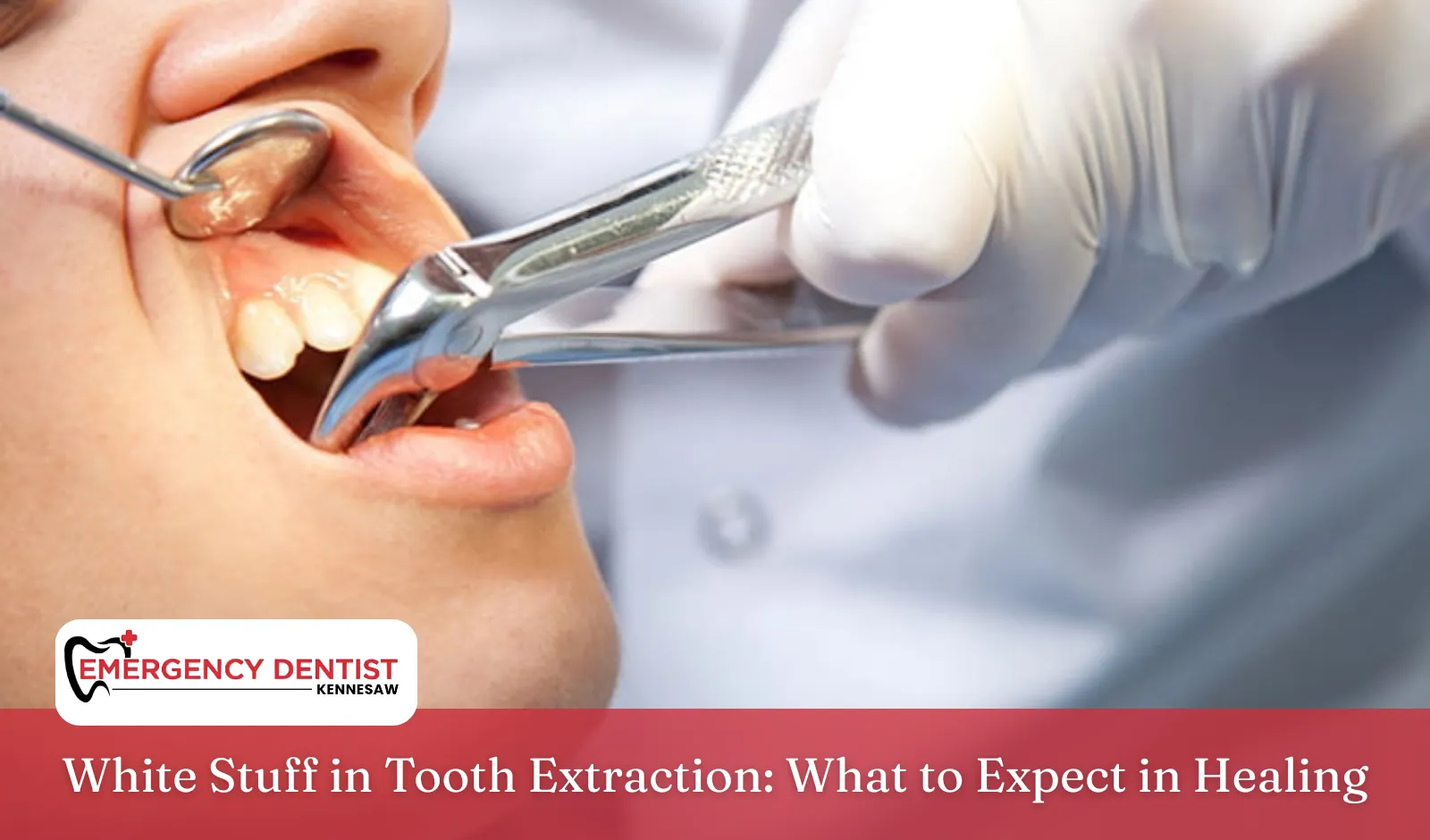
Having a tooth removed can feel overwhelming, and many patients worry about whether their healing is progressing normally. One of the most common concerns is noticing white stuff in a tooth extraction site. It might appear within the first 24 hours or a few days later, often raising questions about whether this is part of normal healing or a warning sign of complications. Understanding what this tooth extraction white stuff represents, and when to contact an Emergency Dentist in Kennesaw, will give you confidence throughout recovery.
What Is the White Stuff in a Tooth Extraction Site?
When a tooth is pulled, your body begins the natural tooth extraction healing process immediately. Within the first 24 hours, a blood clot forms in the socket. This clot protects exposed bone and nerves, provides a foundation for new tissue, and prevents bacteria from invading the wound.
As days pass, you may see white stuff in the extraction socket or near the gum line. In most cases, this appearance is completely normal and even a positive sign that you are healing properly. Common reasons for this whitish look include:
- Fibrin forms a protective layer over the healing wound.
- Newly forming gum tissue closing over the wound.
- Granulation tissue made of blood vessels, collagen, and protective cells, which often looks pale or whitish.
White blood cells also help fight bacteria and support the healing process.
During the first few days, you might notice a thin film or white layer across the tooth extraction site. While it can look unusual, it typically represents healing tissue, not a sign of infection.
Related: Tooth Extraction Hole: Patient Guide for Healing Process
Common Causes of White Stuff in Tooth Extraction Sites
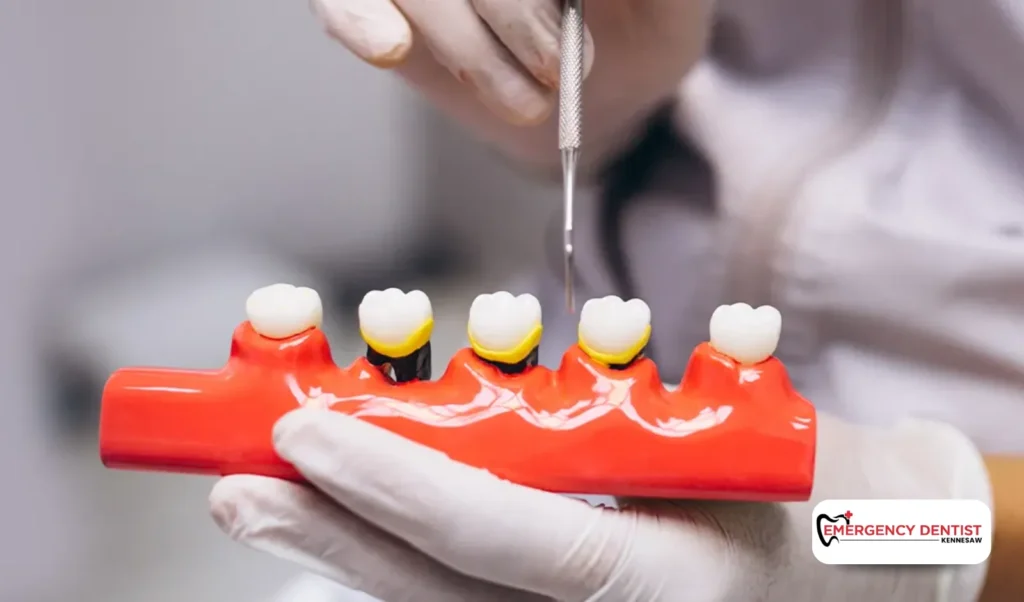
Several factors may cause the white appearance in the socket. Most are part of the body’s natural repair, though some may require closer observation.
Blood Clot and Healing Tissue
As the blood clot protects the socket, fibrin and developing tissue may create a white, yellow, or pale covering over the wound.
White Blood Cells
The immune system directs white blood cells to the extraction area. However, the visible white layer is more commonly caused by fibrin and developing healing tissue.
Gum Tissue Growth
As the wound begins closing, new gum tissue grows across the site. Early gum tissue often looks white before blending with the surrounding gums.
Food Debris or Food Particles
Occasionally, food particles may become trapped in the socket, creating the appearance of food debris. Unlike healing tissue, food debris may cause a foul taste or odor. To avoid this, always gently rinse with warm salt water after meals.
Bone Exposure
Following extractions, especially when wisdom teeth are removed, the socket may be deep enough that the underlying bone becomes visible. This is not always harmful but should be checked by your dentist to ensure you are healing properly.
Related: After Tooth Extraction White Gums: Recovery Signs to Know
White Stuff: Normal Healing vs. a Problem
Seeing white stuff in tooth extraction sites is often a normal part of recovery. Still, it is important to distinguish healthy healing from potential complications.
Normal Healing Signs:
- Mild soreness that improves daily
- A steady white or yellow layer that remains in place
- No foul odor or unpleasant taste
- Swelling that gradually decreases
Warning Signs of Trouble:
- Severe or throbbing pain developing 2–3 days after extraction
- A socket that looks empty or has exposed bone, which may indicate that the blood clot was lost, broke down, or did not form properly
- Persistent bad taste or foul odor
- Redness and swelling that worsen instead of improve
These symptoms may indicate infection or dry socket, conditions that require prompt treatment from an Emergency Dentist in Kennesaw.
Related: Infection After Tooth Extraction: A Calm Guide to Healing
Caring for the Tooth Extraction Site
How you care for your mouth after extraction directly impacts your recovery. Following proper aftercare helps the blood clot form and stabilize, while protecting the bone and nerves underneath. Use these steps to support tooth extraction healing and avoid complications.
Rinse Your Mouth Gently
Do not rinse during the first 24 hours. Beginning on the second day, gently rinse your mouth with warm salt water several times daily. This helps wash away loose food particles, reduce bacteria, and soothe the gums. Always avoid forceful swishing, as it can dislodge the clot.
Keep the Area Clean
Brush and floss your other teeth as usual but avoid direct contact with the tooth extraction site. Allow the protective layer of healing tissue to remain undisturbed, as it shields the bone and nerves during recovery.
Eat Soft Foods
For the first few days, choose foods like yogurt, mashed potatoes, oatmeal, scrambled eggs, and soup. Soft foods minimize irritation and reduce the risk of food debris becoming lodged in the socket. As the site strengthens, you can gradually return to solid foods.
Avoid Smoking and Straws
Smoking and straw use create suction that can easily dislodge the blood clot. This dramatically raises the risk of infection or dry socket. It’s best to avoid these habits entirely until your dentist confirms the site is healing properly.
Protect the First 48 Hours
The first 48 hours are the most critical stage of recovery. Follow your dentist’s advice, rest when needed, and avoid unnecessary strain. Careful attention during this time helps the clot stabilize and promotes gum tissue growth.
Related: Tooth Extraction Aftercare: Simple Dos and Don’ts to Follow
Understanding Normal Healing
It is common to see white stuff on extracted tooth sites as part of natural recovery. Most of the time, this appearance comes from fibrin or developing healing tissue rather than visible white blood cells. However, you should remain alert for a sign of infection. If the white material is paired with worsening pain, swelling, or odor, seek professional care immediately.
Related: Tooth Extraction Healing: A Simple Guide to Recovery
Final Thoughts
Noticing an unfamiliar white layer after a tooth extraction can make you wonder if your mouth is healing as it should. Fortunately, this change is often expected as the body repairs the socket and gradually replaces the blood clot with new tissue.
Pay attention to how your symptoms change over time. Improving soreness and swelling are generally reassuring, while discomfort that becomes worse should not be ignored. Following your dentist’s aftercare instructions can help protect the area throughout recovery.
Concerned About Healing? Contact an Emergency Dentist in Kennesaw
Are you unsure whether the white material in your extraction site is normal? Emergency Dentist in Kennesaw offers evaluations for patients who have concerns about their recovery after a tooth removal.
Our dental team can examine the socket, look for possible complications such as dry socket or infection, and explain which treatment options may be appropriate for your needs.
Have concerns about your healing? Contact our team to discuss your symptoms and request an emergency dental appointment.
Frequently Asked Questions
Can white stuff appear a few days after a tooth extraction?
Yes. A white or pale yellow layer may become visible during the first few days as the socket heals. This is often fibrin or developing tissue, but a dentist should check any worsening symptoms.
Should I rinse away the white layer in my extraction socket?
No. The white layer may be protecting the healing area. After the first 24 hours, you can gently rinse with warm salt water, but avoid strong swishing or trying to remove the material.
When should I call a dentist about white stuff after an extraction?
Contact a dentist if you have worsening pain, increasing swelling, fever, pus, or a persistent bad smell or taste. These symptoms may indicate an infection or another healing problem.