
How to Prevent Dry Socket After Tooth Extraction Properly
Getting a tooth removed is a routine dental procedure, but the recovery afterward is just as important as the treatment itself. One problem many patients worry about is dry socket, a painful complication that can occur after a tooth extraction. If you want to know how to prevent dry socket after tooth extraction, this guide will explain what causes it and the best ways to avoid it.
What Is a Dry Socket?
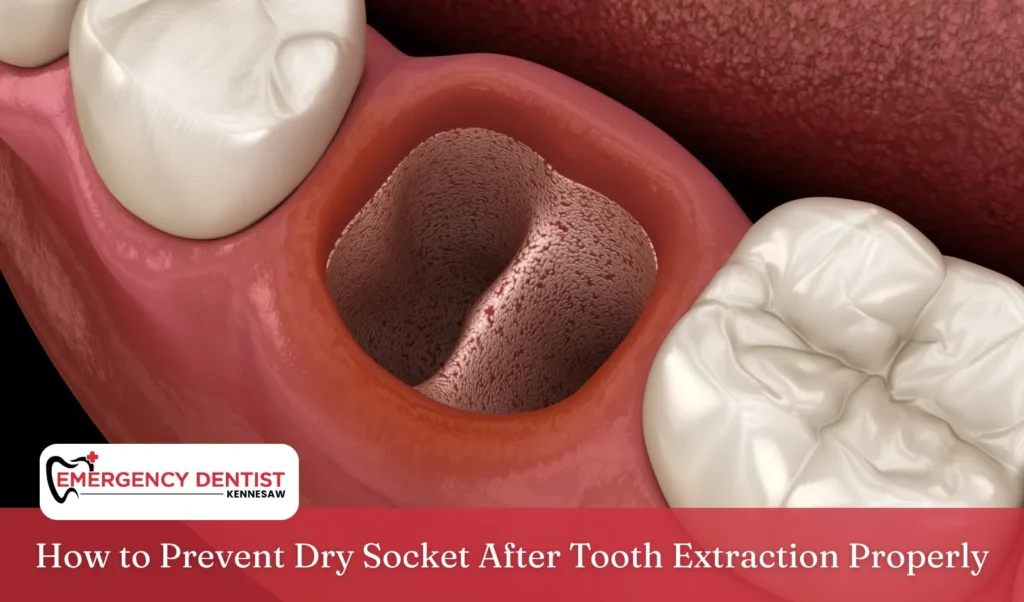
Dry socket, also known as alveolar osteitis, is a painful complication that can appear after a tooth is removed. Normally, when a tooth is removed, a blood clot forms in the empty socket. This clot protects exposed bone and nerves, acting as a natural bandage and helping gum tissue heal.
If the blood clot forms but dissolves too early, becomes dislodged, or never develops, the extraction site is left unprotected. This can lead to severe pain, bad breath, and sometimes swelling. Patients with wisdom teeth removed are at greater risk of developing dry socket, but it can happen after any tooth extraction.
How Dry Sockets Develop
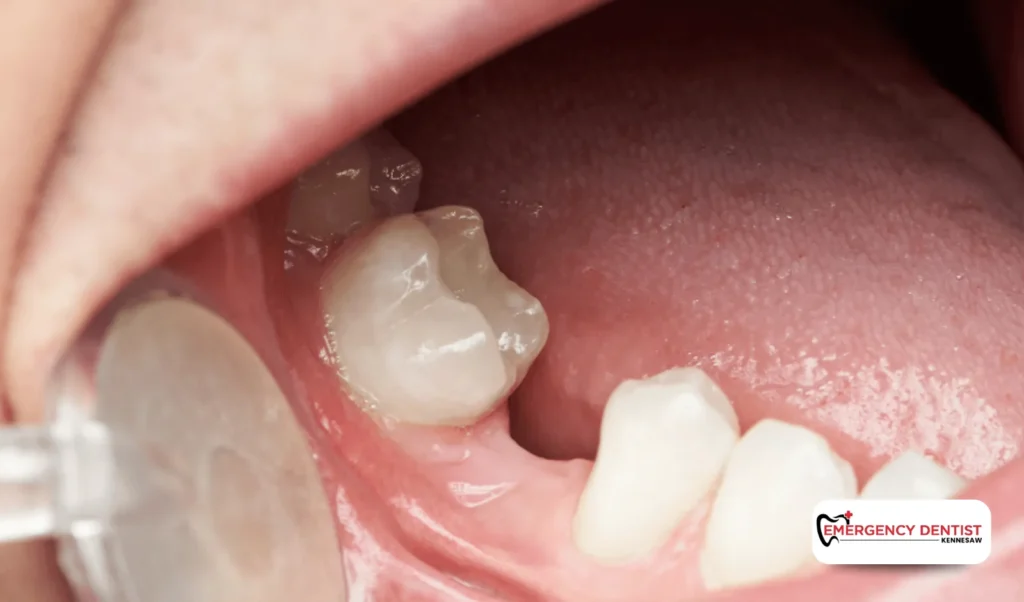
When the clot doesn’t fully protect the extraction site, the empty socket is exposed to air, food debris, and bacteria. This exposure can irritate the area, causing swelling and throbbing pain that radiates to the ear or jaw. Some patients also notice a bad taste or unpleasant odor in the mouth.
Because the risk of developing dry socket can delay recovery and cause significant discomfort, it’s important to learn how to avoid dry socket after tooth extraction through proper care.
How to Prevent Dry Socket After Tooth Extraction
Dry socket can develop after a tooth extraction, but with proper care, you can prevent it and heal more quickly. Here are some ways to handle it:
1. Follow your dentist or oral surgeon’s instructions
Every procedure is different. Your dentist or oral surgeon may give specific directions regarding gauze pads, rinsing, pain relief, or even antibacterial mouthwashes. Following their advice closely helps prevent dry socket.
2. Be cautious during the first 24 hours
The first 24 hours after a tooth is removed are the most critical. Avoid spitting, rinsing your mouth forcefully, or drinking through a straw, as these can dislodge the blood clot. Rest and let your body focus on healing.
3. Rinse your mouth with warm salt water
After the first day, gently rinse your mouth with warm salt water several times a day. This helps clean the extraction site, reduces bacteria, and supports healing without disturbing the clot.
4. Use cold packs to reduce swelling
Placing cold packs on your cheek for 15-20 minutes at a time can reduce swelling and make you more comfortable. This is especially effective within the first two days after surgery.
5. Brush your teeth carefully
Continue brushing your teeth daily, but avoid brushing directly over the extraction site. Gentle brushing keeps your mouth clean while lowering the risk of dislodging the blood clot.
6. Avoid tobacco products and alcohol
Smoking, chewing tobacco products, and alcohol interfere with healing and can dislodge the blood clot. Avoid them for several days after your tooth extraction to prevent dry socket.
7. Eat soft foods
Stick to soft foods such as yogurt, oatmeal, and mashed potatoes. Avoid spicy, crunchy, or sticky foods that might irritate the extraction site or disturb the clot.
Extra Tips to Prevent Dry Socket

Drink plenty of water throughout the day, but avoid swishing it in your mouth. If your dentist or oral surgeon recommends antibacterial mouthwashes, use them carefully, since strong rinses may disturb healing. For pain relief, follow directions for prescribed or approved over-the-counter medications. Rest is also important, your body heals faster when given proper downtime.
By practicing these steps consistently, such as rinsing your mouth with warm salt water a few times a day, brushing your teeth carefully, and avoiding tobacco products, you can prevent dry socket and recover more smoothly.
When to See an Emergency Dentist in Kennesaw
Even with proper aftercare, complications may still occur. If you notice severe or persistent pain, bad breath, exposed bone, or discomfort spreading to your ear or temple, it may be time to contact an Emergency Dentist in Kennesaw. They can examine the extraction site, treat the dry socket, and provide effective pain relief so your healing stays on track.
Conclusion
Recovering after a tooth extraction takes more than just time, it also takes proper care. Protect the blood clot that forms in the empty socket, follow your dentist or oral surgeon’s advice, and build good habits like rinsing with warm salt water a few times a day, using cold packs, brushing your teeth gently, and staying away from tobacco products. These steps can reduce the risk of dry socket and help you heal more smoothly. If problems come up, contact an Emergency Dentist in Kennesaw. With the right care, you’ll protect your oral health and feel better faster.