

Quick Answer
What is the best medication for tooth pain?
Over-the-counter pain relievers such as ibuprofen or acetaminophen may provide temporary relief from tooth pain. Ibuprofen can help reduce pain and inflammation, while acetaminophen may help relieve pain when NSAIDs are not appropriate. The best option depends on your symptoms, overall health, and the cause of the pain. Because medication does not treat problems such as tooth decay, infection, or tooth damage, seeing a dentist is important for identifying and treating the underlying cause.
Key Takeaways
- Ibuprofen and acetaminophen are common over-the-counter options for temporary tooth pain relief.
- Ibuprofen can help reduce pain and inflammation, while acetaminophen mainly helps relieve pain.
- Prescription pain medications should only be used as directed by a healthcare professional.
- Saltwater rinses and cold compresses may provide temporary comfort while waiting for dental care.
- Pain medicine can manage symptoms, but it does not treat the underlying dental problem.
- Severe or persistent tooth pain, especially with swelling, fever, or difficulty swallowing, should be evaluated promptly.
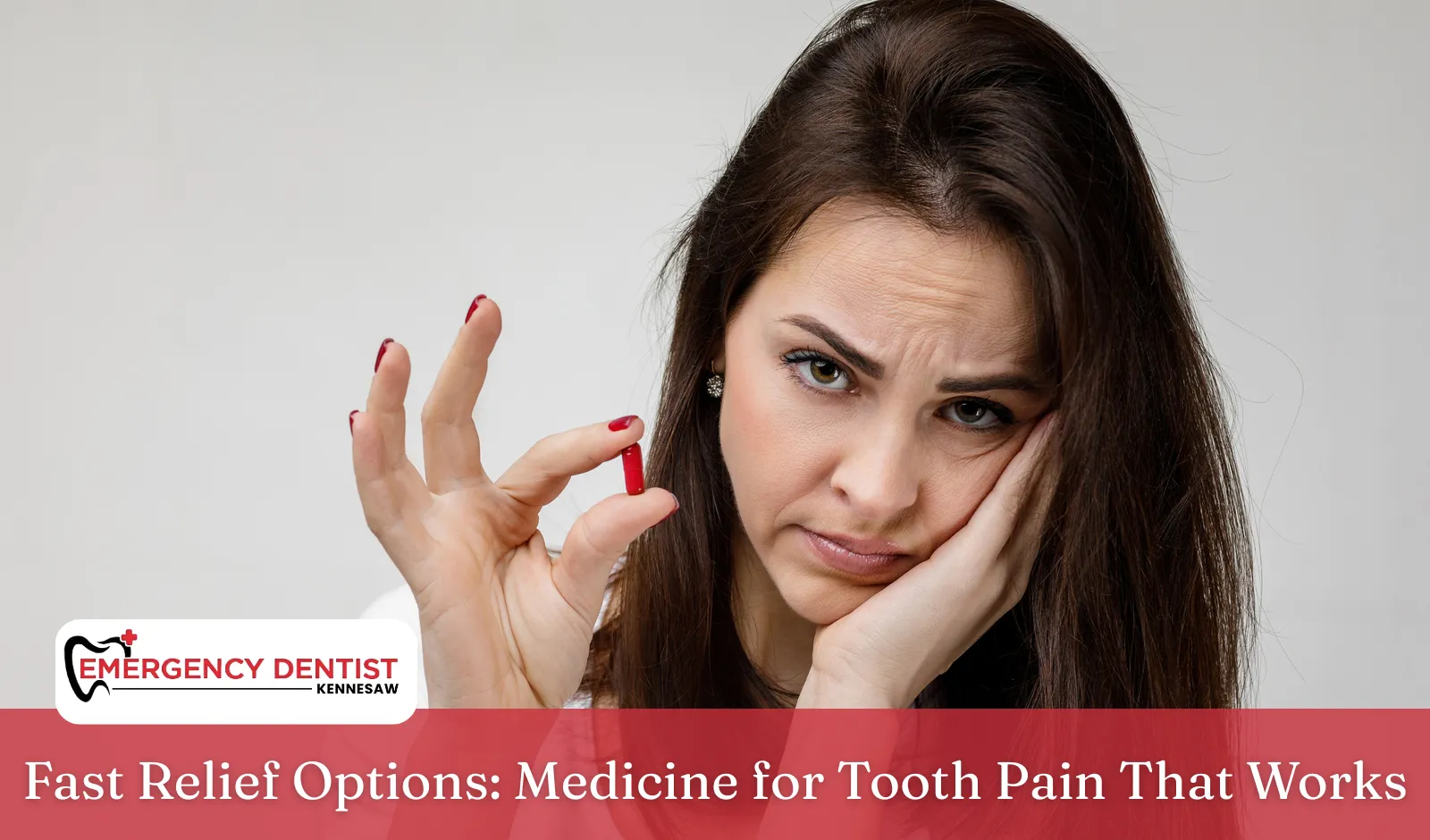
Toothaches can strike at any time, sharp, throbbing, or a dull, lingering discomfort. Whether caused by a cavity, infection, or wisdom tooth eruption, choosing the right medicine for tooth pain can make a big difference in how quickly you find comfort.
In this guide, we’ll cover the best pain meds for tooth pain, what you should take to reduce discomfort, and natural remedies that can help while you wait to see a dentist.
What Causes Tooth Pain?

Before deciding what to take for tooth pain, it’s helpful to understand the possible causes of dental pain, which may include:
- Cavities or tooth decay
- Gum disease
- Cracks or fractures in the tooth
- Impacted or erupting wisdom teeth
- Infections or abscesses
- Recovery from dental procedures such as a tooth extraction or root canal
Regardless of the cause, finding an effective tooth pain medicine is key to managing symptoms until the dental problem is treated at its source.
Related: Causes of Tooth Pain: Symptoms and When to See Your Dentist
Top Over-the-Counter Tooth Pain Relief Options

1. Ibuprofen for Tooth Pain (Advil)
Ibuprofen, commonly sold as Advil for tooth pain, is a go-to counter pain reliever. This nonsteroidal anti-inflammatory drug (NSAID) helps by reducing inflammation and easing discomfort, especially in cases related to gum disease or trauma to the affected area.
2. Acetaminophen (Tylenol)
For those who can’t take NSAIDs, acetaminophen Tylenol is a trusted counter pain medication that blocks pain signals to the brain. While it doesn’t reduce inflammation, it’s effective for mild to moderate tooth pain relief.
Pro tip: Some dentists recommend alternating acetaminophen and ibuprofen to enhance pain control, but always consult your doctor first.
Prescription Tooth Pain Medication
If your pain isn’t relieved by over-the-counter options, your dentist may prescribe stronger tooth pain medication.
3. Tramadol for Tooth Pain
Tramadol for tooth pain is a prescription opioid for moderate to severe dental pain. It’s highly effective but may cause side effects such as nausea or drowsiness. Use is typically short-term and under a dentist’s supervision.
4. Steroid Anti-Inflammatory Drug
In severe cases like after dental surgery or when there’s significant infection, your dentist may prescribe a steroid anti inflammatory drug. These are more powerful than typical NSAIDs and target intense swelling in the affected area.
Related: Dental Pain: ER, Urgent Care, or Emergency Dentist?
Natural Remedies for Relieving Tooth Pain
If a dentist isn’t immediately available, try these natural methods for relieving pain:
- Saltwater rinse – Helps clean the mouth and reduce inflammation
- Ice pack – Apply to the outside of the cheek to numb pain and swelling
- Clove oil – Contains active ingredients that naturally numb pain
- Keep your head elevated – Helps reduce throbbing, especially at night
These remedies may offer temporary tooth pain relief medicine, but they won’t fix the underlying issue.
Related: Home Remedy for Tooth Infection: Simple Relief Guide
Comparison Chart: Best Pain Relievers for Tooth Pain
| Type of Pain or Condition | Best Meds / Remedies | How It Helps |
|---|---|---|
| Mild to moderate dental pain | Acetaminophen Tylenol | Blocks pain signals; suitable if inflammation isn’t the main concern |
| Inflammation and swelling | Ibuprofen / Advil for tooth pain | Reduces pain and inflammation from gum disease or injury |
| Severe or intense pain | Tramadol for tooth pain | Prescription strength with short-term use due to potential side effects |
| Post-surgery swelling or infection | Steroid anti inflammatory drug | Powerful anti-inflammatory for serious cases like dental surgery |
| Natural temporary relief | Saltwater rinse, ice pack, clove oil | Soothes the affected area while you wait to see a dentist |
When to Call a Dentist

While tooth pain medicine can ease symptoms, it isn’t a long term fix. If your pain:
- Lasts more than 48 hours
- Comes with swelling, fever, or difficulty swallowing
- Results from a cracked, infected, or decayed tooth
you likely need professional treatment such as a root canal, tooth extraction, or deep cleaning for gum disease.
Related: Prompt, Professional Treatment for Chipped Tooth in Kennesaw
Final Thoughts
The best medicine for tooth pain depends on the cause of your discomfort, your symptoms, and your overall health. Over-the-counter options such as ibuprofen or acetaminophen may provide temporary relief, while prescription medications should only be used as directed by a healthcare professional.
Pain medicine and home remedies can help manage discomfort, but they do not treat the underlying dental problem. Seeing a dentist when you can is important to determine what is causing the pain and whether treatment is needed. If your tooth pain continues, becomes severe, or occurs with swelling, fever, or difficulty swallowing, seek prompt dental care.
Get Help for Tooth Pain in Kennesaw
Tooth pain that continues or gets worse may be a sign of an underlying dental problem. Contact our Emergency Dentist in Kennesaw for an evaluation and treatment options based on your dental needs.
Related: 10 Effective Tips Using Home Remedies for Tooth Pain
Frequently Asked Questions
What are the best medicines for tooth pain?
The best meds for tooth pain depend on your symptoms, overall health, and the cause of your discomfort. Over-the-counter options may help with pain management and provide short-term relief when taken as directed. A dentist can examine the affected tooth to determine what is causing the pain.
What can I do at home for tooth pain and swelling?
You can apply a cold compress to the outside of your cheek to help with pain and swelling. Rinsing your mouth with warm salt water may also help keep the area clean. Mix about a teaspoon of salt into a cup of warm water, rinse gently, and spit it out.
Can I put pain medicine directly on my tooth?
Avoid placing aspirin or other pain medicine directly on your tooth or gums with a cotton ball, as this may irritate the tissue. Instead, take pain medicine as directed on the label and see a dentist if your tooth pain continues or gets worse.