

Quick Answer
Is it normal to see a hole where my wisdom tooth was?
Yes. The hole is the healing socket. A blood clot fills it first, and gum tissue closes over it in a few weeks. Protect the clot and call a dentist if pain gets worse after a few days.
Key Takeaways
- The hole is the healing socket and is expected.
- A blood clot protects the socket, so avoid straws, smoking, and hard rinsing.
- Gums close in weeks; bone fills in over months.
- Eat soft foods and rinse gently with salt water after 24 hours.
- Worsening pain, pus, or bleeding needs a dentist.
- Swelling with fever or trouble breathing or swallowing needs the ER or 911.
After having your wisdom teeth removed, it’s common to notice a hole in gums after wisdom tooth extraction. These spaces, often called sockets or a tooth hole, are simply part of the body’s natural healing process. While they might look unusual at first, they are normal and expected. By learning why they form, how long they take to close, and what aftercare steps to follow, you can support a smooth recovery and lower your risk of complications.
Why Holes Appear After Wisdom Tooth Extraction
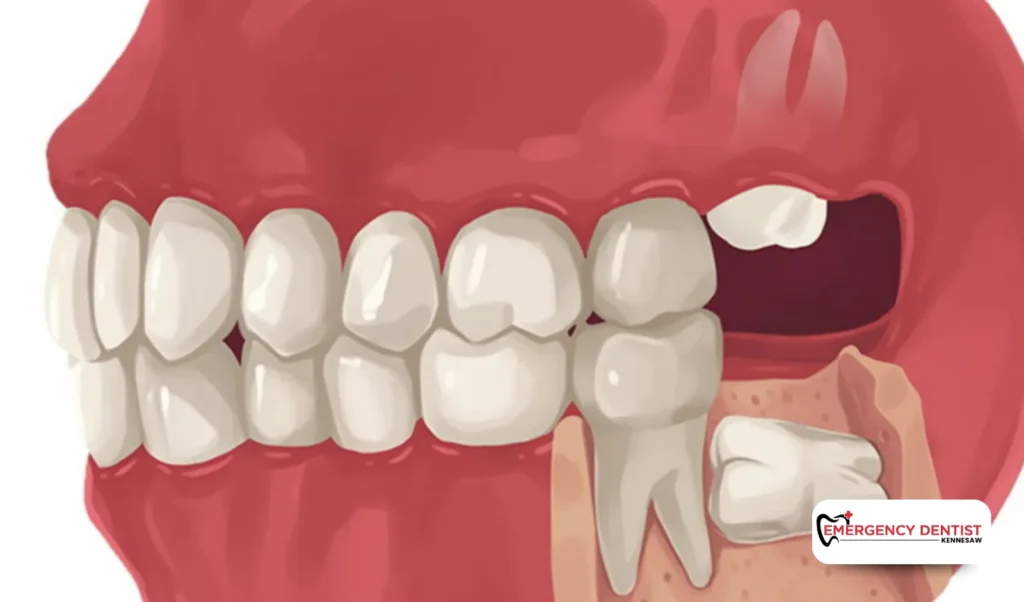
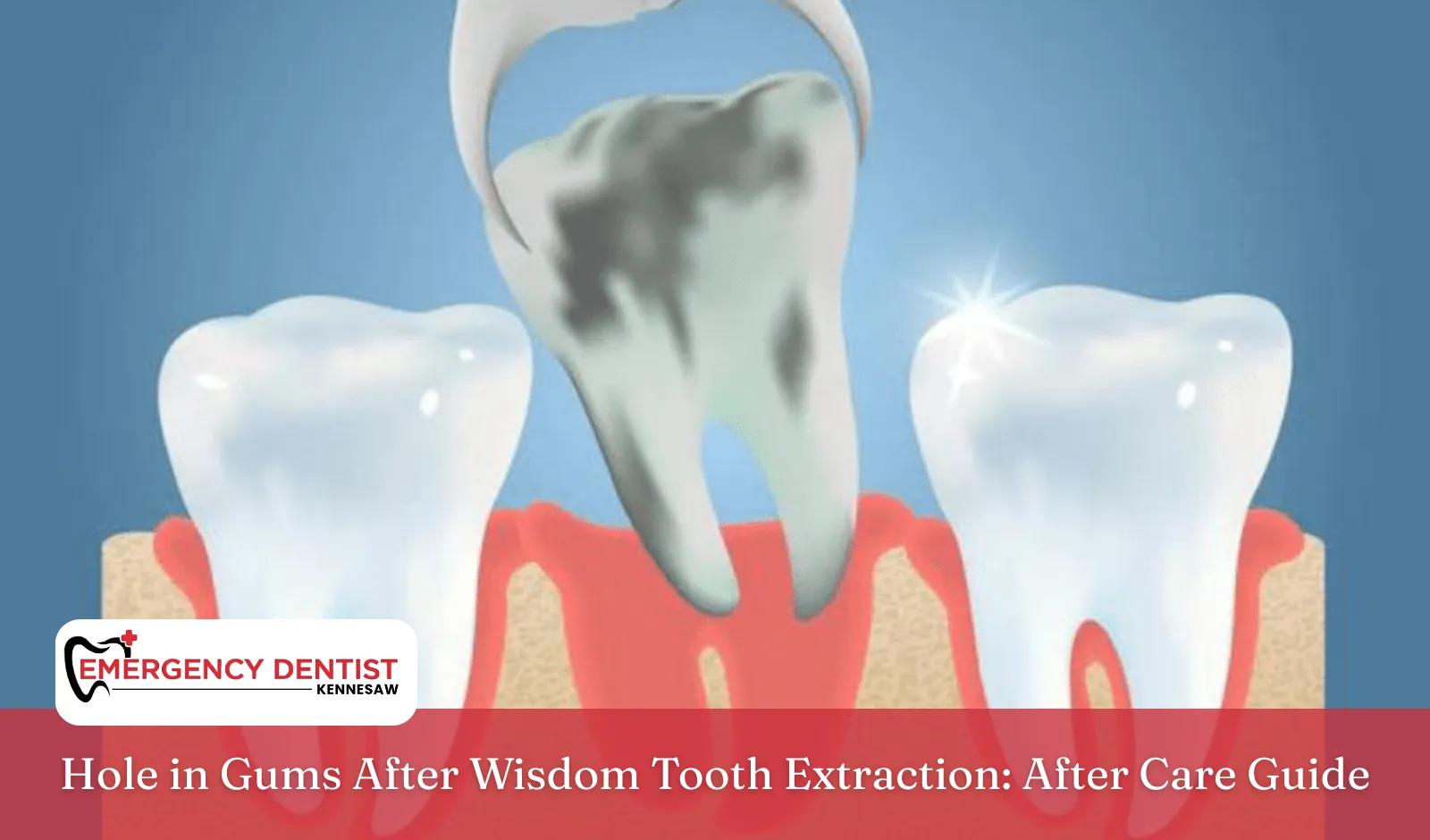
When a tooth is removed, an extraction site is left behind in the jawbone. If the tooth was impacted (stuck below the gum or bone), the hole may be deeper. The gum tissue does not close over the space right away. Instead, the body begins repairing the area step by step, first forming a protective clot, then filling in with new tissue, and eventually bone.
Some patients assume that holes in gum after wisdom tooth extraction signal a problem. In most cases, the hole is normal and heals with time and gentle care. Pain that gets worse instead of better should be checked by a dentist.
Related: Tooth Extraction Hole: Patient Guide for Healing Process
The Healing Process
The healing process starts within minutes of surgery. A blood clot starts to form in the socket soon after the tooth is removed. This clot acts like a natural bandage, covering exposed bone and nerves while supporting new gum tissue.
During the first week, the gums begin to close in from the sides. By two to three weeks, most holes in gum after wisdom tooth extraction appear smaller, though deeper sockets may linger. The bone underneath can take several months to fill in fully. The most important step is to avoid dislodging the blood clot, since losing it too early can delay healing and raise risks of complications.
Related: Healing: How Long for Hole to Close After Tooth Extraction
Risks During Healing
While most people heal without problems, a few risks exist. Food particles can become lodged in the sockets, irritating the area. A more serious problem is dry socket or infection. Dry socket occurs when the clot is lost too soon, leaving the bone exposed. It usually shows up 2 to 4 days after surgery. Signs include severe pain that may spread to the ear, a bad smell or taste, or a socket that looks empty.
Infection can also happen if bacteria enter the socket. Gentle daily hygiene lowers this risk, but an infection needs a dentist and will not clear up on its own.
Related: Dry Socket After Tooth Extraction: Symptoms and Care
Eating After Wisdom Tooth Extraction

What you eat directly affects the healing process. Dentists recommend you stick to soft meals during the first few days. Good choices include yogurt, mashed potatoes, blended soups, and smoothies eaten with a spoon. These are easy to eat and less likely to disturb healing gum tissue.
Avoid crunchy, spicy, or sticky foods that could get lodged in the sockets or irritate the extraction site. As healing continues, you can gradually add more solid foods, but chew on the opposite side until your dentist approves.
Related: Best Food for After Wisdom Tooth Removal for Faster Recovery
Safe Cleaning Practices
Keeping the tooth hole clean is vital, but it must be done gently. Brushing directly over the extraction site can disturb the clot. Instead, follow these safe practices:
- After 24 hours, begin to gently rinse with warm water or a mild salt water solution.
- Avoid forceful swishing or spitting, smoking, and drinking through straws, since these can loosen the clot.
- Continue to brush your teeth and floss the rest of your mouth to maintain good oral hygiene.
These habits reduce the risk of dry socket or infection and help keep debris from remaining trapped.
Pain and Swelling Management
Mild swelling and discomfort are common after a wisdom tooth extraction. Applying ice packs during the first 24 hours can help reduce swelling and ease discomfort. Over-the-counter pain relievers can help if taken as directed on the label and if they are safe for you. Rest and skip hard exercise for the first 48 hours.
When to See a Dentist
Most patients heal without problems, but there are times when urgent care is needed. Contact an Emergency Dentist in Kennesaw if you notice:
- Severe pain that worsens instead of improving
- Signs of dry socket or infection, such as pus, swelling, or foul odor
- Persistent bleeding that doesn’t stop with gentle pressure
- Difficulty opening your mouth
Go to the ER or call 911 for facial or neck swelling with fever, trouble breathing or swallowing, or bleeding that will not stop. Other concerns need a prompt dental visit.
Final Thoughts
Noticing a hole in gums after wisdom tooth extraction is a natural stage of the healing process. Over time, the extraction site fills in with new gum tissue and bone. By following your dentist’s guidance, eating soft foods, applying ice packs, and keeping up with good oral hygiene, you can lower your risk of trapped food, dry socket, and infection.
Healing requires patience, but most sockets close with proper care.
Worried About the Hole in Your Gum in Kennesaw?
Pain, swelling, or an empty-looking socket can leave you with questions after wisdom tooth removal. An Emergency Dentist in Kennesaw can examine the area, check for dry socket, and give guidance based on your symptoms. Contact the dental team to arrange a visit.
Frequently Asked Questions
How long does the hole take to close?
The gum usually closes over the socket within a few weeks. Bone can take several months to fill in.
Is food stuck in the socket a problem?
Food can get trapped and irritate the area. After 24 hours, rinse gently with warm salt water, and do not poke at the socket.
How can I tell if I have a dry socket?
Dry socket often causes severe pain 2 to 4 days after surgery, a bad smell or taste, and an empty-looking socket. Call your dentist if you notice these.