
Can Tooth Pain Cause Ear Pain and Facial Pressure?
Quick Answer
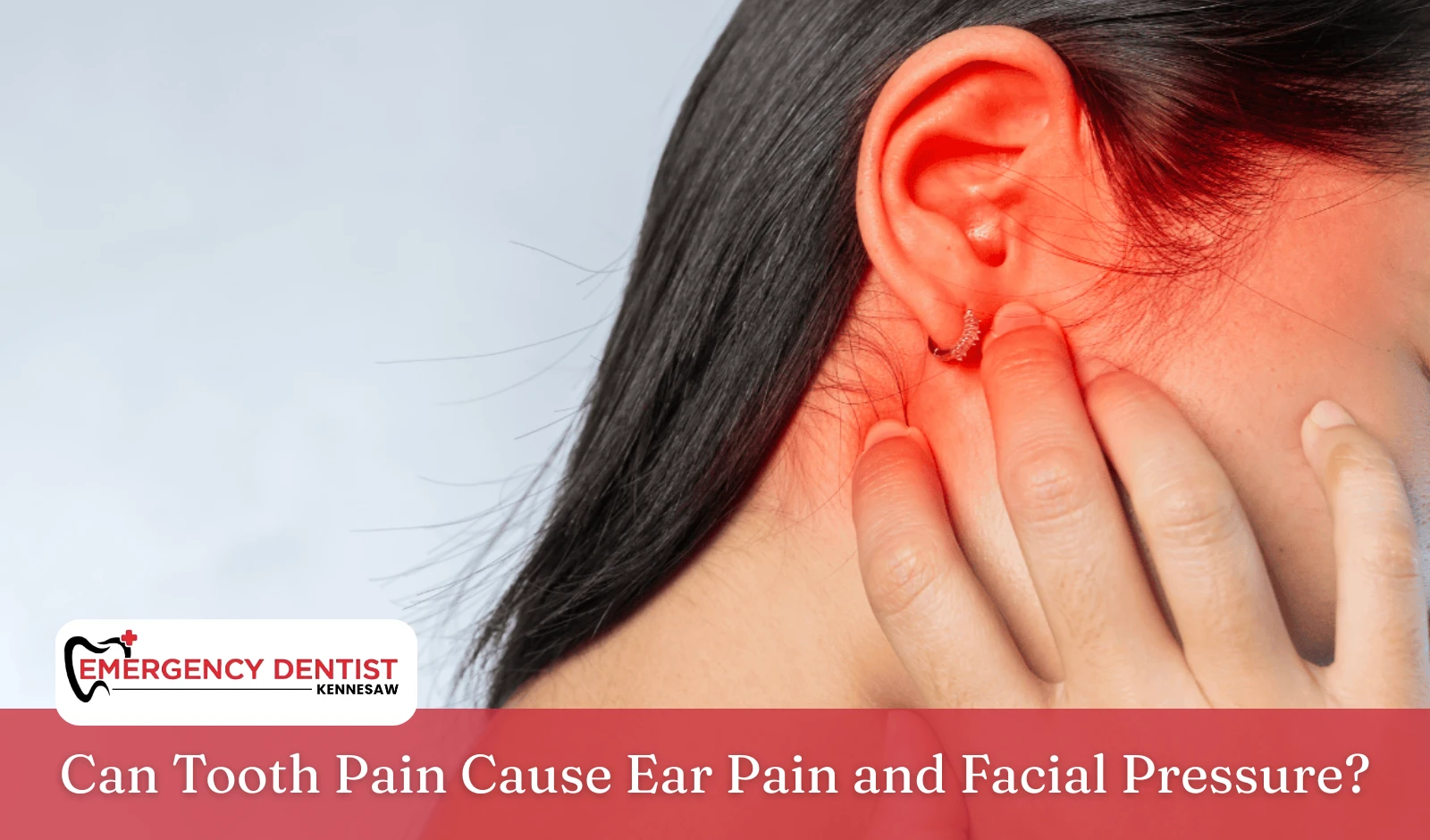
Can tooth pain cause ear pain and facial pressure?
Yes. Tooth pain may sometimes spread into the ears, jaw, temples, or head because the teeth, facial nerves, and jaw muscles are closely connected. Dental problems involving infection, inflammation, or jaw tension may create symptoms that feel like headaches, facial pressure, or ear pain.
Key Takeaways
- Tooth pain may sometimes spread into the ears, jaw, or head
- The trigeminal nerve connects the teeth, face, and jaw
- Teeth grinding may strain the jaw muscles and joints
- Sinus infections and gum disease may increase facial pressure
- Early dental care may help prevent worsening symptoms
Many people are surprised to learn that dental discomfort may sometimes affect more than just the teeth. Because facial nerves are closely connected, irritation involving the teeth or jaw may sometimes lead to headaches, ear pain, or pressure near the temples and cheeks.
Patients often search online asking, “can tooth pain cause ear pain” or “can tooth pain cause headaches” when symptoms begin affecting sleep, concentration, or daily routines. Understanding how the teeth, nerves, and jaw structures work together may help explain why these symptoms happen.
How the Trigeminal Nerve May Affect Facial Pain
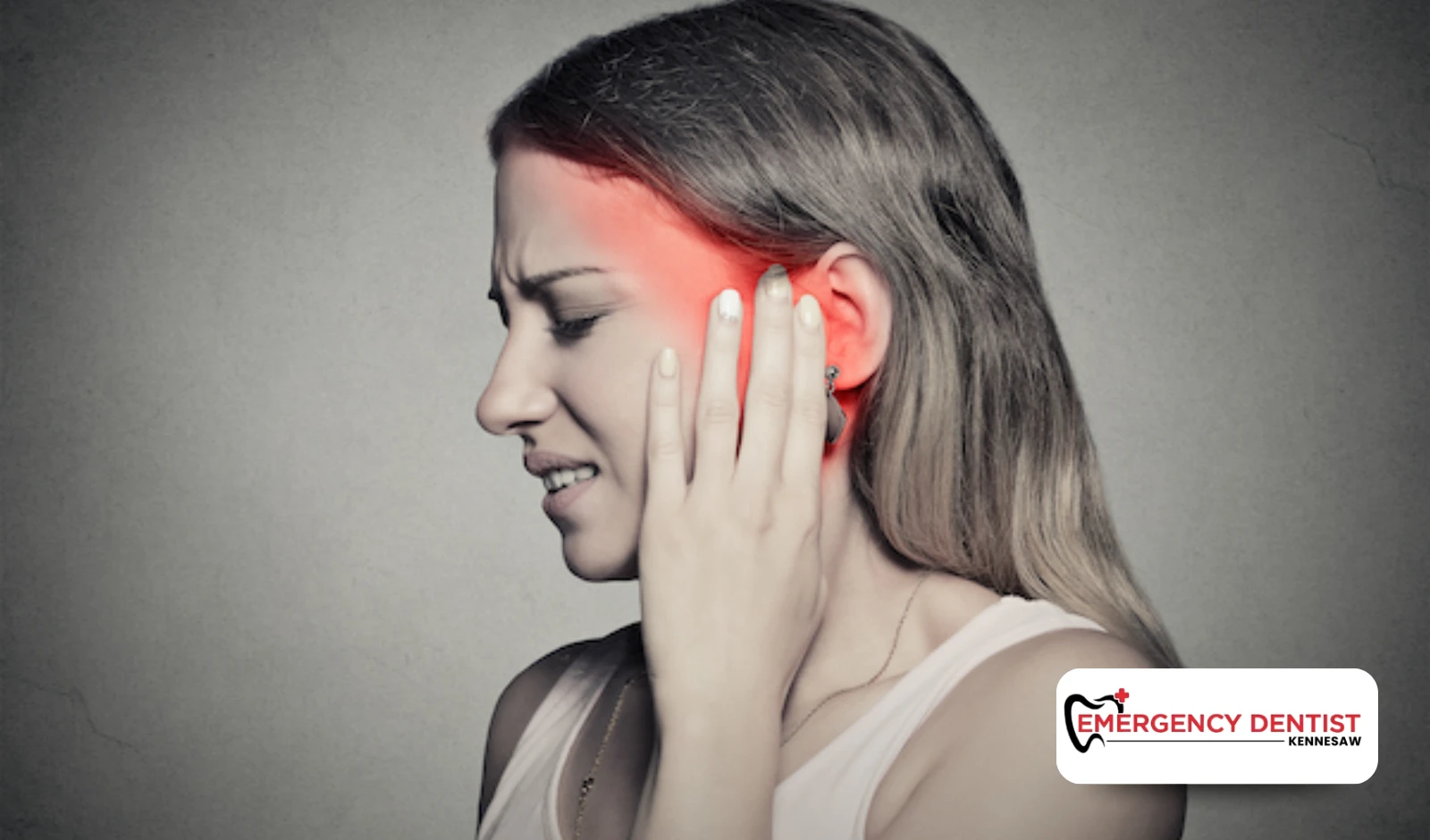
Inside the face is a major nerve called the trigeminal nerve. This nerve controls feeling in the teeth, gums, cheeks, jaw, and parts of the head. Because these areas share the same nerve system, irritation affecting the teeth may sometimes cause pain radiating into nearby regions.
For example, a damaged tooth may create soreness or pressure that feels like discomfort near the ears or temples. Some people may mistake severe tooth pain for migraines, sinus pressure, or ear infections.
Certain nerve conditions, including trigeminal neuralgia, may also create sudden facial discomfort that feels similar to dental pain. Although trigeminal neuralgia is less common, it demonstrates how closely connected the nerves of the face and mouth truly are.
The temporomandibular joint also plays an important role in facial comfort. This jaw joint helps the mouth open and close correctly while chewing and speaking. When the temporomandibular joint becomes irritated or strained, some patients may notice headaches, jaw tightness, clicking sounds, or ear pain.
Dental Problems That May Cause Headaches or Ear Pain
Several dental problems may contribute to discomfort spreading beyond the mouth.
One common cause is tooth decay. When damage reaches deeper layers inside the tooth, nearby nerves and tissues may become irritated. As inflammation increases, discomfort may spread into the jaw, neck, ears, or head.
An infected tooth may also create swelling and throbbing pressure inside the mouth. In some situations, inflammation from an infected tooth may place pressure on nearby nerves, causing headaches or facial soreness.
Some patients search online using terms like “infection tooth” while trying to understand severe dental discomfort. A professional dental evaluation may help determine whether infection is affecting the tooth or nearby tissues.
Gum disease may also affect oral health and irritate the tissues supporting the teeth. As inflammation worsens, soreness may spread into nearby areas of the face and jaw.
In some situations, sinus infections may create pressure above the upper teeth and cheeks. Because the sinus cavities sit close to the upper jaw, some people mistake sinus pressure for tooth pain.
Since many conditions may create similar symptoms, professional evaluation is often necessary to identify the true source of discomfort.
How Teeth Grinding May Affect the Jaw and Face
Teeth grinding is another common source of facial discomfort. Many people clench or grind their teeth during sleep without realizing it.
Repeated pressure from teeth grinding may strain the jaw muscles and temporomandibular joint. Over time, this tension may contribute to headaches, jaw soreness, facial tightness, or ear pain.
Stress may worsen clenching habits in certain individuals. Constant pressure on the jaw muscles throughout the day may increase irritation and muscle fatigue.
This type of facial discomfort is commonly called orofacial pain, which refers to pain affecting the mouth, jaw, face, or nearby structures.
Without proper treatment, jaw strain may continue worsening and interfere with daily comfort.
Symptoms That Should Not Be Ignored

Some mild discomfort may improve temporarily, but ongoing symptoms should not be ignored.
Patients should seek professional dental care if they experience:
- Severe or worsening tooth pain
- Swelling near the gums or jaw
- Persistent headaches or ear pain
- Difficulty chewing comfortably
- Jaw tightness or clicking sounds
- Sensitivity to hot or cold foods
- Fever or unusual drainage
Ignoring these symptoms may allow infection or inflammation to continue spreading.
Possible Dental Treatments for Relief
Treatment depends on the condition causing the discomfort. A dentist may examine the teeth, gums, jaw, and surrounding tissues to identify the source of the symptoms.
Some patients may benefit from fillings, deep cleanings, or other dental treatments designed to improve oral health and reduce irritation.
If infection reaches the inner portion of the tooth, a root canal may help remove damaged tissue while protecting the natural tooth structure.
Additional dental treatments may include:
- Night guards for teeth grinding
- Treatment for gum disease
- Repair of cracked or damaged teeth
- Bite adjustments for jaw strain
- Care for inflamed jaw joints
Treating the underlying issue may help reduce headaches, facial soreness, and ear pain.
Final Thoughts
Dental discomfort may sometimes affect more than just the mouth. Because facial nerves and jaw structures are closely connected, irritation involving the teeth or jaw may sometimes contribute to headaches, ear pain, or soreness near the temples and cheeks.
Conditions involving infection, jaw tension, gum disease, or teeth grinding may all play a role. Seeking treatment early may help prevent worsening symptoms and support long-term oral health.
Care for Tooth and Facial Discomfort
Pain affecting the teeth, jaw, ears, or head may be a sign of an underlying dental issue that requires professional attention. At Emergency Dentist in Kennesaw, our team provides evaluations and personalized dental treatments designed to identify the source of discomfort and help patients feel more comfortable again. If symptoms continue interfering with daily life, schedule an appointment today for prompt professional care.
Frequently Asked Questions
Can tooth pain cause ear pain?
Yes. Tooth pain may sometimes spread into the ears because the teeth, jaw, and facial nerves are closely connected.
Can tooth pain cause headaches?
Yes. Dental problems such as infection, jaw tension, or teeth grinding may contribute to headaches and facial pressure.
When should I seek treatment for tooth pain?
You should seek professional dental care if tooth pain becomes severe, causes swelling, spreads into the jaw or head, or continues for several days.