Sports Related Dental Injuries: Prevention Tips
Quick Answer
What are sports related dental injuries?
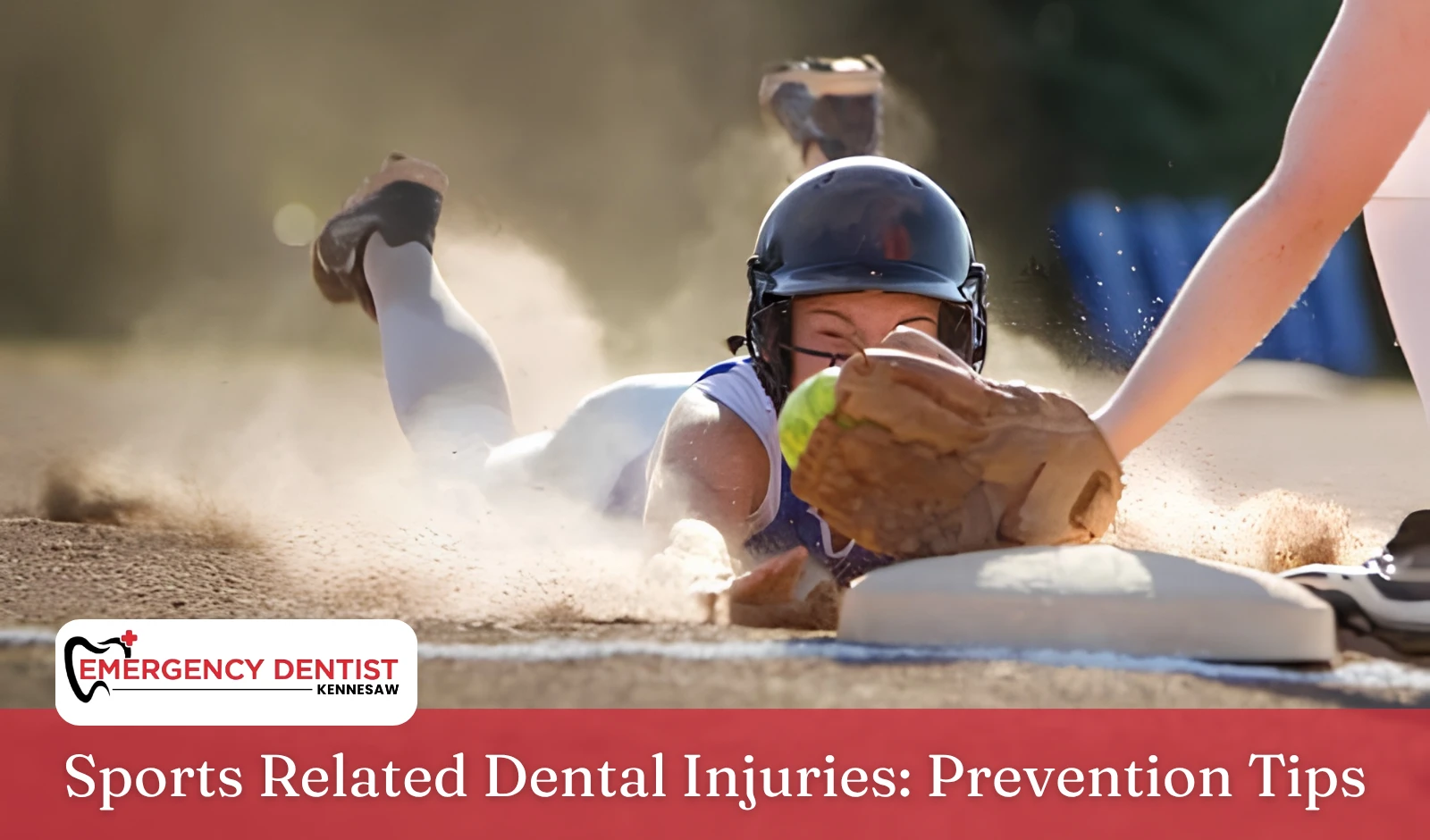
Sports related dental injuries are injuries to the teeth, gums, lips, or other parts of the mouth that happen during athletic activities. Falls, collisions, and direct blows can cause anything from minor mouth damage to a loose, broken, or knocked-out tooth that needs prompt dental care.
Key Takeaways
- Mouth injuries can happen during games, practices, workouts, and recreational activities.
- The type of sport can influence how often an athlete faces contact, falls, or impacts.
- Mouthguards can help cushion the teeth when the mouth receives a blow.
- Broken, loose, displaced, and knocked-out teeth should be professionally evaluated.
- Prompt attention after a serious accident may support tooth preservation.
- Consistent dental protection can help athletes maintain their oral health.
Sports often involve speed, quick changes in direction, physical contact, and unpredictable movement. Even a routine practice can result in an unexpected fall or collision that affects the mouth.
Learning about sports related dental injuries and sports dentistry can help athletes and parents understand the risks and prepare for dental accidents. Being familiar with possible injuries also makes it easier to recognize when professional attention may be necessary.
What Dental Injuries Can Athletes Experience?
The types of sports related dental problems differ according to how an accident happens. The force of the impact, where it reaches the mouth, and the condition of the teeth can all influence the resulting damage.
Chipped, Cracked, or Broken Teeth
A fall onto a hard surface or a direct blow to the face can cause tooth fractures. Some involve a small piece of the outer tooth, while others extend into deeper areas.
It can be difficult to judge the extent of a fracture by appearance. A dentist can examine the tooth and determine what type of care may be appropriate.
Teeth That Move or Come Out
An impact does not have to break a tooth to cause damage. A tooth may become loose or shift forward, backward, or sideways. A stronger blow can remove a permanent tooth completely from its socket.
These situations can be dental emergencies that require timely attention. If a permanent tooth has been knocked out, handle it by the crown rather than its root and contact a dental professional as soon as possible for guidance.
Injuries to the Gums, Lips, and Cheeks
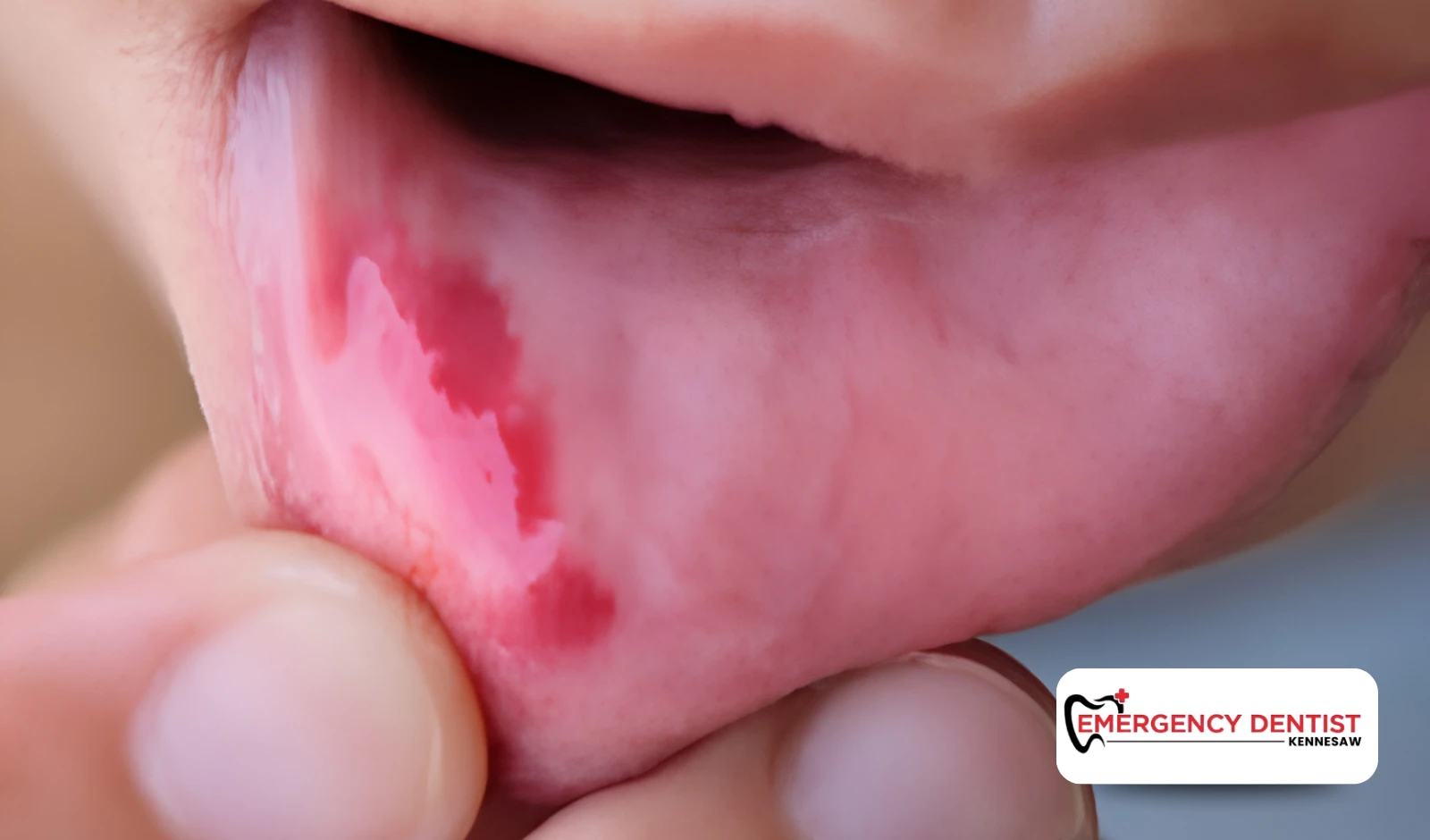
Some oral injuries affect areas around the teeth. The lips, tongue, gums, and inner cheeks may experience cuts or other soft tissue injuries during a collision or fall.
Because several parts of the mouth can be affected by the same impact, a dental evaluation can help identify damage that may not initially be obvious.
How Is Dental Trauma Assessed?
After dental trauma, a dentist typically begins by asking how the accident occurred. The examination may include the affected tooth, neighboring teeth, gums, and the way the upper and lower teeth come together.
X-rays may be recommended when additional information is needed about areas below the visible surface. Significant injuries involving the jaw or facial structures may sometimes require evaluation by an oral and maxillofacial specialist.
The appropriate care depends on the types of injuries found. A minor chip may require relatively simple treatment, while a displaced tooth or deeper damage may need a different approach.
If the tissue within a tooth has been significantly affected, root canals may sometimes become part of the treatment plan. The dentist can determine whether this option is appropriate after a complete evaluation.
Using Mouthguards to Protect the Teeth
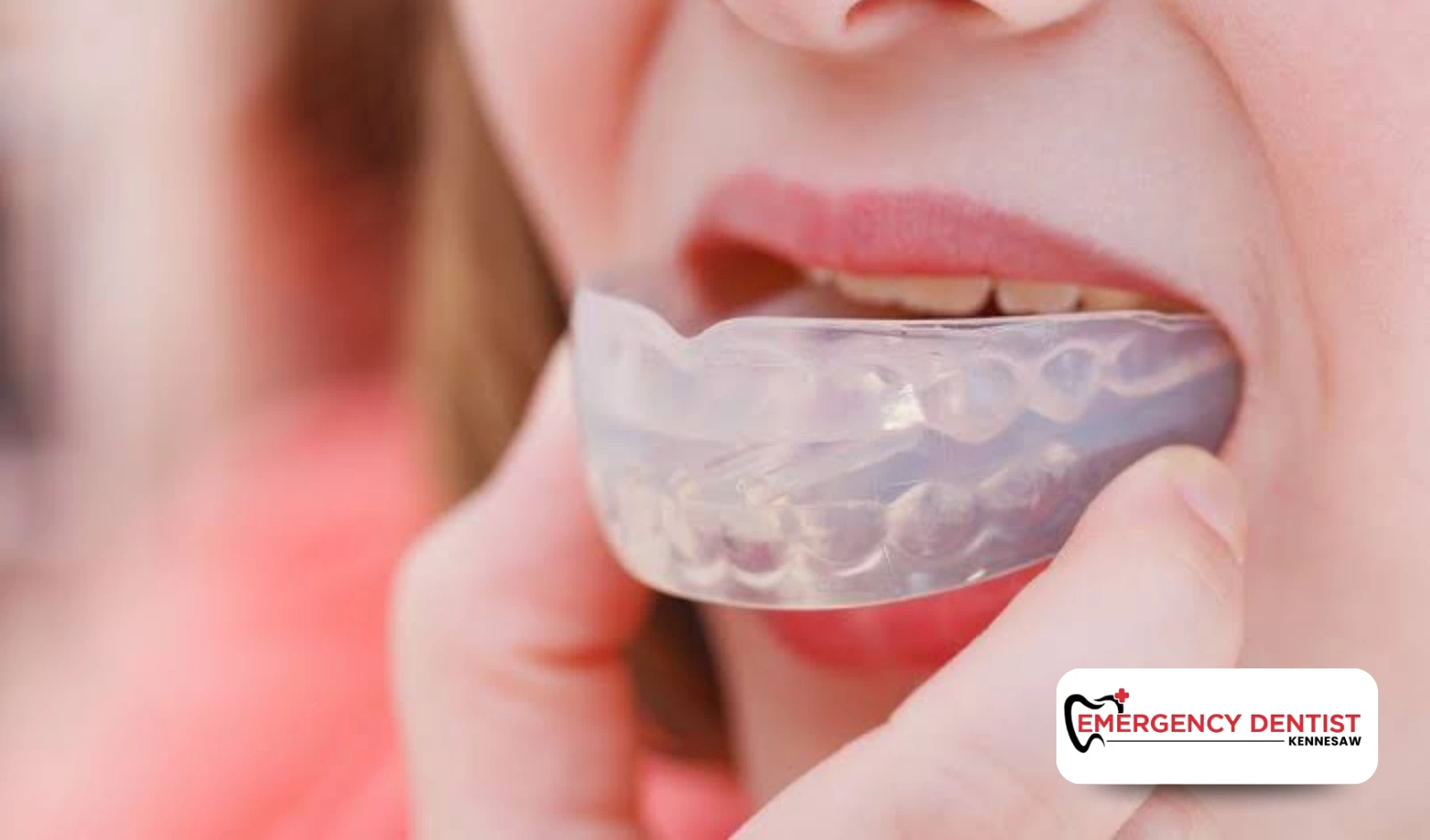
A mouthguard provides cushioning over the teeth during physical activity. Although no protective device can prevent every accident, wearing one can help reduce direct impact to the teeth.
Different mouthguard options are available. A custom fit guard is created around an individual’s teeth and bite, helping it stay comfortably in position during movement.
Fit and condition should be checked regularly. A mouthguard may need replacement when it develops cracks or tears, becomes distorted, or no longer stays securely in place.
When Should You Contact a Dentist?
Some common dental injuries in sports are easy to recognize, while others may become noticeable only after the activity has ended.
Contact a dental professional if a tooth breaks, becomes loose, shifts position, or begins to feel different following an impact. Bleeding, swelling, or a new change in your bite can also be reasons to arrange an evaluation.
A dental examination can clarify what has happened and whether treatment or continued monitoring is needed.
Final Thoughts
Dental accidents are possible in many sports, including activities that are not normally considered high contact. Appropriate protective equipment and a well-fitting mouthguard can help athletes reduce their risk.
If an accident does occur, professional dental care can help identify the extent of the injury and determine the appropriate next steps.
Get Your Sports Injury Checked in Kennesaw
When a hit, fall, or collision leaves a tooth feeling different, you do not have to determine the extent of the injury on your own. An Emergency Dentist in Kennesaw can examine the affected tooth and nearby areas and explain what care may be appropriate.
If a sports accident in Kennesaw has affected your mouth, contact the dental office to discuss your concerns and arrange an evaluation.
Frequently Asked Questions
Can basketball cause dental injuries even though players wear no helmets?
Yes. Accidental elbows, falls, and collisions between players can affect the teeth and mouth during basketball. A properly fitted mouthguard can provide additional dental protection.
What if my tooth feels numb after being hit?
A change in sensation after an impact is worth discussing with a dentist. An examination can help determine whether the tooth or nearby tissues have been affected.
Can I wear a mouthguard if I have a missing tooth?
Often, yes, but the design and fit may need to account for the space and any existing dental work. A dentist can recommend an option based on your mouth.
Is it okay to keep using a mouthguard that feels loose?
A loose mouthguard may move during activity and may not provide the intended fit. Have it checked or replaced rather than trying to reshape it without professional guidance.
Can sports injuries affect the jaw as well as the teeth?
Yes. A strong impact can sometimes involve the jaw in addition to the teeth and gums. Significant jaw pain, difficulty moving the jaw, or an obvious change after an accident should receive appropriate professional evaluation.