
Temporary Fix for Cracked Tooth:
Easy Dental Care Guide
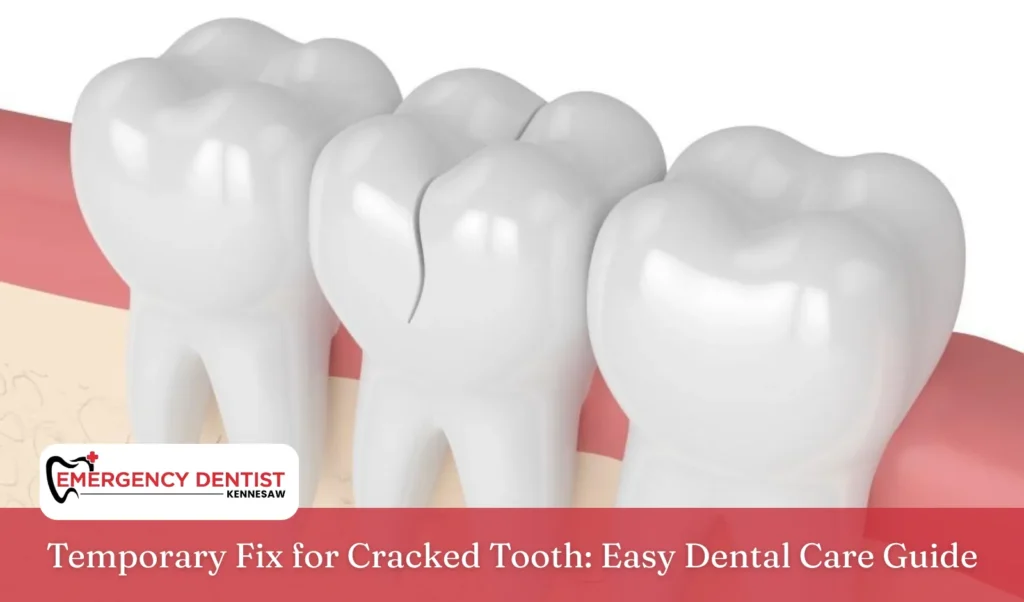
A cracked or broken tooth can happen when you least expect it, whether from biting something hard, clenching your teeth, or experiencing a sudden accident. The good news is that you can perform a temporary cracked tooth repair at home to protect the tooth and prevent further damage. Acting quickly helps preserve your natural tooth, relieve discomfort, and support your long-term oral health.
In this guide, you’ll learn how to manage a chipped or broken tooth, perform a temporary fix for a cracked tooth, and care for your affected tooth until you can visit an Emergency Dentist in Kennesaw for treatment.
Understanding a Cracked Tooth
When a tooth cracks, the inner layers that protect nerves and blood vessels become exposed. Even a small damaged tooth can turn into a dental emergency if not treated quickly. The enamel serves as a natural barrier, and once it’s damaged, bacteria can enter and lead to infection.
Finding a temporary fix for a cracked tooth as soon as possible helps minimize discomfort and prevents the affected tooth from worsening. Although these fixes aren’t permanent, they provide relief and keep your remaining tooth strong until professional tooth repair is done.
Common Causes of a Cracked or Broken Tooth

A chipped or broken tooth can happen for many common reasons. You might bite into a hard object, grind your teeth at night, get injured during sports, or have weakened enamel due to decay. Tooth decay makes teeth more likely to crack under pressure.
Even a small crack, known as a hairline fracture, can worsen over time if ignored. Watch for signs such as tooth sensitivity, mild pain while chewing, or a jagged edge that feels rough on your tongue or cheek. Taking action quickly helps protect the tooth and keeps it functional.
Recognizing the Signs
Not every cracked tooth causes pain right away. You may notice sharp discomfort when chewing, or sensitivity to hot or cold foods. Sometimes, you might feel a rough or uneven surface when running your tongue across your teeth.
Even if you don’t feel pain, don’t ignore these changes. The absence of pain simply means the crack hasn’t reached the nerve yet. Acting quickly with a temporary cracked tooth repair helps stabilize the damaged tooth and prevents it from becoming a dental emergency.
Using a Dental Repair Kit
A dental repair kit is one of the best tools for a temporary fix for a cracked tooth. These kits are available at most pharmacies and usually contain dental wax or temporary filling material. They’re designed to cover the crack, smooth sharp edges, and reduce irritation.
How to apply a dental repair kit:
- Gently clean the area and dry it.
- Take a small piece of wax or filler and press it onto the crack or chip.
- Smooth it carefully to cover any jagged edge or rough spot.
This creates a smooth barrier that keeps food and bacteria out and prevents your tongue or cheek from rubbing against the affected tooth. While it’s not a permanent tooth repair, it provides pain relief and makes it easier to eat and talk comfortably until you can visit a dentist.
First Steps and Home Remedies
If you think you’ve cracked a tooth, the first thing you should do is rinse your mouth with warm water to remove debris and reduce bacteria. Avoid using very hot or cold water since temperature changes can worsen sensitivity. If there’s bleeding, gently press gauze against the area until it stops.
You can also rinse your mouth with warm salt water to help clean the area and soothe irritation. If swelling occurs, use a cold compress on your cheek for 10–15 minutes to reduce discomfort.
If you don’t have a dental repair kit, avoid chewing on the affected tooth and stick to soft foods such as soup, yogurt, or mashed potatoes. Keeping the area clean helps prevent infection and gives you time to get professional tooth repair.
Professional Treatment Options
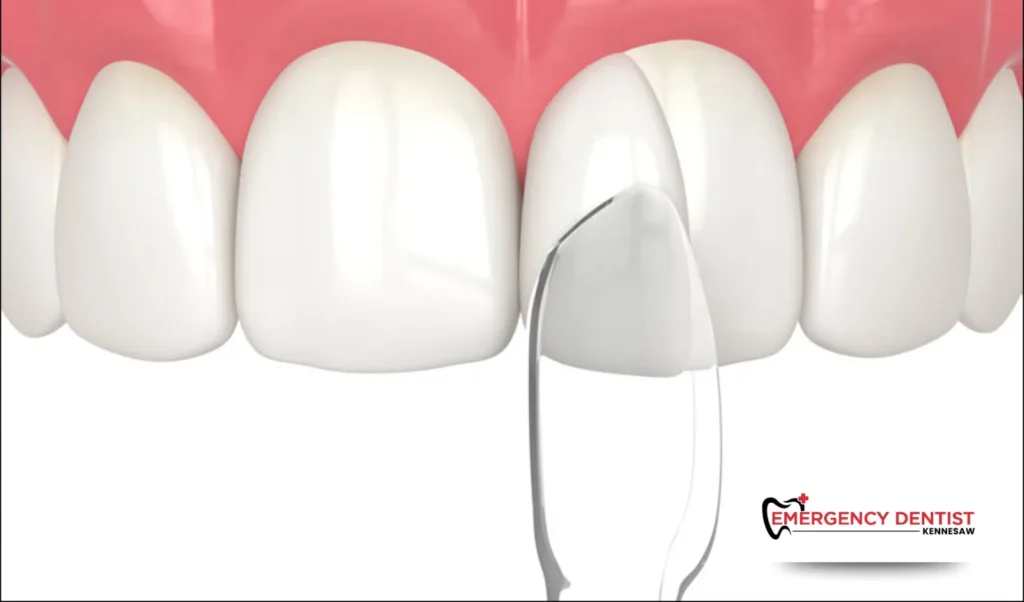
When you visit a dentist, they’ll evaluate the damaged tooth to determine the best solution. For small cracks or chips, dental bonding is often recommended. This involves using a tooth-colored resin to seal the crack and restore your natural tooth appearance.
For larger breaks, your dentist may place a crown to strengthen and protect the remaining tooth. If the crack extends into the pulp, root canal therapy may be required before placing the crown.
If you’re in severe pain or experience a sudden dental emergency, contact an Emergency Dentist in Kennesaw right away. They can fix a broken tooth, relieve discomfort, and preserve your natural tooth with proper tooth repair techniques.
Maintaining Strong Oral Health
After your temporary cracked tooth repair or professional treatment, maintaining proper dental care is key to long-term success. Brush twice daily with a soft-bristled toothbrush, floss carefully, and use fluoride toothpaste to strengthen enamel.
Avoid biting into hard objects, chewing ice, or using your teeth to open packages. These habits can cause another damaged tooth or worsen a small crack. Regular dental checkups allow your dentist to spot early signs of wear or enamel damage before they become serious.
Good dental care not only keeps your oral health strong but also helps prevent future cracks or fractures.
Restoring Your Smile
Modern dentistry offers many ways to restore your smile and maintain your natural tooth. Treatments like dental bonding, veneers, or crowns can repair damage, restore appearance, and improve function, all while protecting your teeth for the long term.
While a temporary fix for a cracked tooth, like using a dental repair kit or wax, can provide short-term pain relief, professional treatment ensures lasting results. It’s important to visit an Emergency Dentist in Kennesaw as soon as possible for complete tooth repair.
Acting quickly prevents complications, preserves your natural tooth, and keeps your smile bright, strong, and healthy. With the right care, you can continue restoring your smile with confidence and comfort.