
How to Relieve Tooth Pain:
Simple Home Relief Methods
Quick Answer
How can you relieve tooth pain quickly at home?
If you suddenly develop tooth pain, a few simple remedies may help ease discomfort for a short time. Rinsing your mouth with warm saltwater, applying a cold compress to your cheek, or using natural remedies like clove oil or a peppermint tea bag may help reduce pain and calm pain and inflammation until you can receive proper dental care.
Key Takeaway
- Tooth pain may result from tooth decay, infection, or injury.
- A cold compress may numb the affected area and help reduce swelling.
- Saltwater rinses help clean the mouth and soothe irritated gums.
- Natural remedies like clove oil, vanilla extract, and peppermint tea bag may offer short-term relief.
- Ongoing toothache pain should be evaluated by a dentist.
A painful tooth can make daily activities uncomfortable. Eating, drinking, or talking may become difficult when toothache pain begins to throb.
Many people search for ways to relieve tooth pain before visiting a dentist. In this article, we will discuss simple methods that may help reduce pain at home and when to seek professional dental care.
Why Tooth Pain Happens
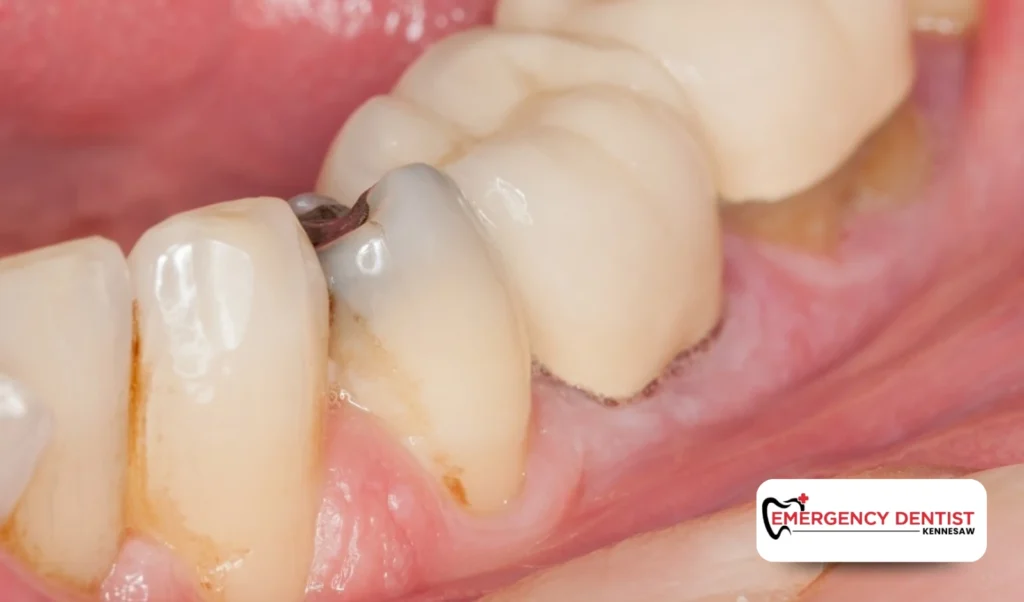
Each tooth contains a soft inner layer that holds nerves and blood vessels. When this sensitive area becomes irritated, it can cause tooth pain and sensitivity.
Several dental problems may lead to this discomfort.
Common causes include:
- Tooth decay damaging the enamel
- Cracked or chipped teeth
- Gum infections
- Food stuck between teeth
- Teeth grinding during sleep
When irritation reaches the nerve, it can cause pain and inflammation around the affected tooth. The discomfort may spread to the nearby affected area, making chewing or biting uncomfortable.
Understanding what caused the problem can help determine the best way to reduce pain until a dentist examines the tooth.
Home Remedies That May Help Relieve Tooth Pain
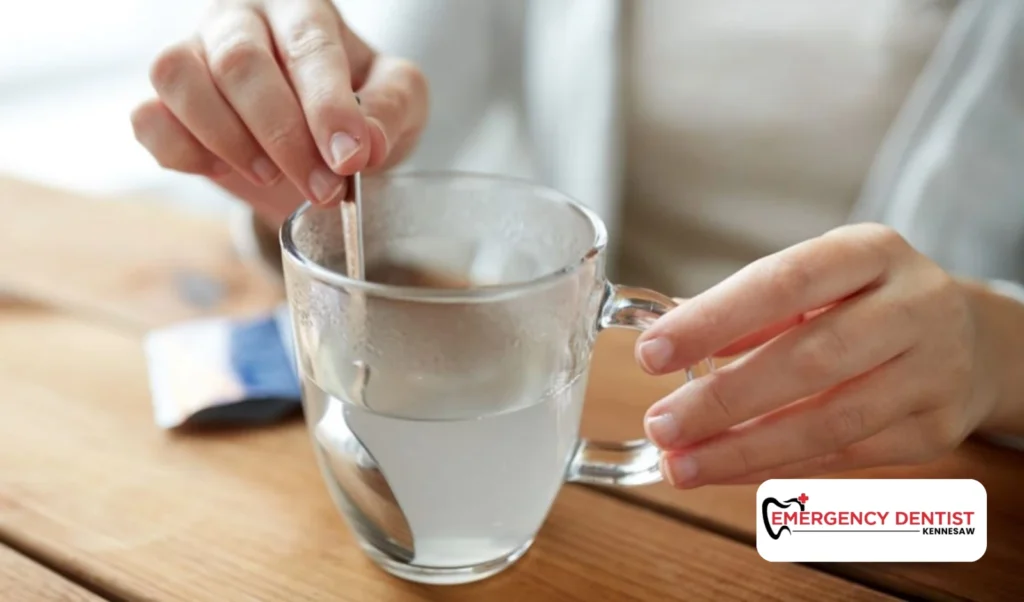
If you cannot visit a dentist right away, a few simple methods may help manage discomfort temporarily. These remedies focus on cleaning the mouth and calming irritation around the painful tooth.
Warm Saltwater Rinse
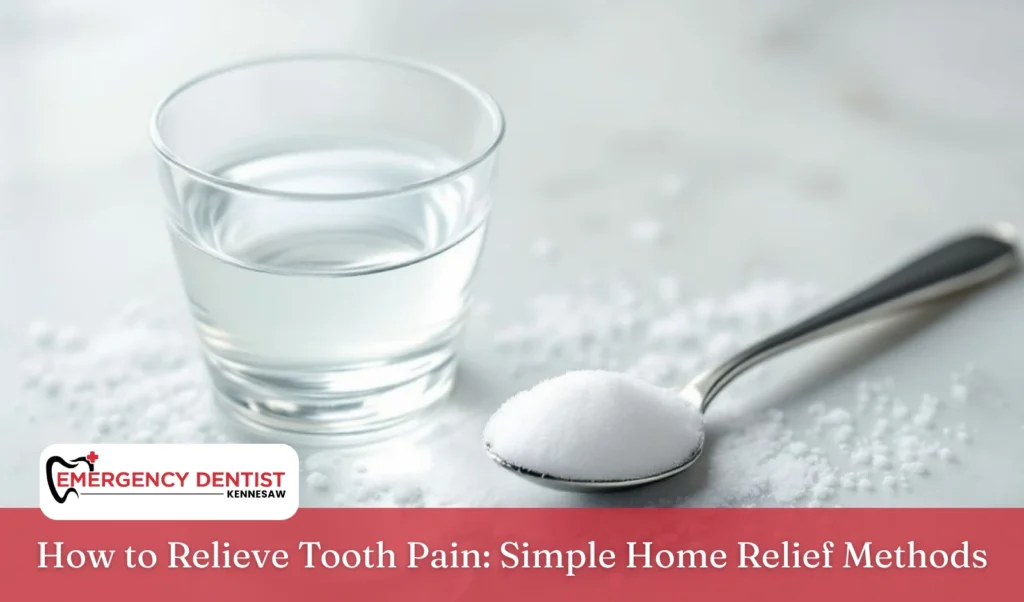
One of the easiest ways to ease toothache pain is by rinsing your mouth with warm saltwater.
This simple mixture helps remove debris and bacteria while soothing irritated gum tissue.
To prepare a rinse:
- Mix a teaspoon of salt into a glass of warm water
- Stir until the salt dissolves
- Swish the mixture around your mouth
- Focus on the affected area, then spit it out
Saltwater rinses may help clean the mouth and reduce irritation near the affected tooth.
Dentists often recommend repeating this rinse several times a day to help reduce pain.
Applying a Cold Compress
Swelling can make dental discomfort worse. A cold compress placed against the cheek may help numb the area.
To use this remedy:
- Wrap ice or a cold pack in a towel
- Place it against the cheek near the painful tooth
- Leave it there for about 15 minutes
Cold temperatures slow nerve signals and may help reduce pain. They also help control swelling and reduce inflammation in nearby tissues.
Clove Oil for Temporary Relief
For many years, clove oil has been used as a natural pain reliever for dental discomfort.
It contains compounds that may numb sensitive nerves.
To apply clove oil:
Place a small amount of clove oil on a cotton ball
- Press the cotton ball gently against the affected tooth
- Leave it there for several minutes
This method may calm irritation and help reduce pain temporarily. However, it should not replace professional dental care.
Peppermint Tea Bag Remedy
Another simple home remedy involves using a peppermint tea bag.
Peppermint contains natural compounds that may soothe irritated gums and provide a cooling sensation.
To try this method:
- Brew a peppermint tea bag
- Allow it to cool until warm
- Place it on the affected area
Some people chill the tea bag first, which may help reduce toothache pain even more.
Vanilla Extract for Mild Numbing
A household ingredient like vanilla extract may also provide temporary relief.
To use this method:
- Place a few drops of vanilla extract on a cotton ball
- Hold the cotton ball against the painful tooth
The alcohol in vanilla extract may numb the affected area, helping ease discomfort for a short time.
Hydrogen Peroxide Mouth Rinse
A diluted hydrogen peroxide rinse may help clean bacteria from the mouth when infection contributes to discomfort.
To prepare the rinse:
- Mix equal parts hydrogen peroxide and water
- Swish the solution gently around your mouth
- Spit it out carefully without swallowing
A hydrogen peroxide rinse may help clean the affected tooth and support better oral hygiene.
However, this rinse should only be used occasionally unless recommended by a dentist.
Over-the-Counter Pain Relief
If home remedies are not enough, medication may act as a pain reliever.
Certain medicines may help control pain and inflammation around the affected tooth.
Always follow dosage instructions carefully and consult a healthcare professional if you have concerns.
Keep in mind that medication may reduce pain, but it does not treat the root cause of the dental problem.
When to Visit a Dentist
Home remedies may provide temporary relief, but ongoing tooth pain often signals a deeper dental issue.
You should seek professional dental care if you experience:
- Severe toothache pain
- Swelling in the gums or jaw
- Fever or difficulty swallowing
- Pain lasting longer than two days
A dentist can examine the affected tooth and determine the cause of the discomfort. Treatments may include fillings, root canal therapy, or other procedures to restore the tooth.
If symptoms appear suddenly or become severe, contacting an Emergency Dentist in Kennesaw may help you receive prompt treatment and relief.
Preventing Future Tooth Pain
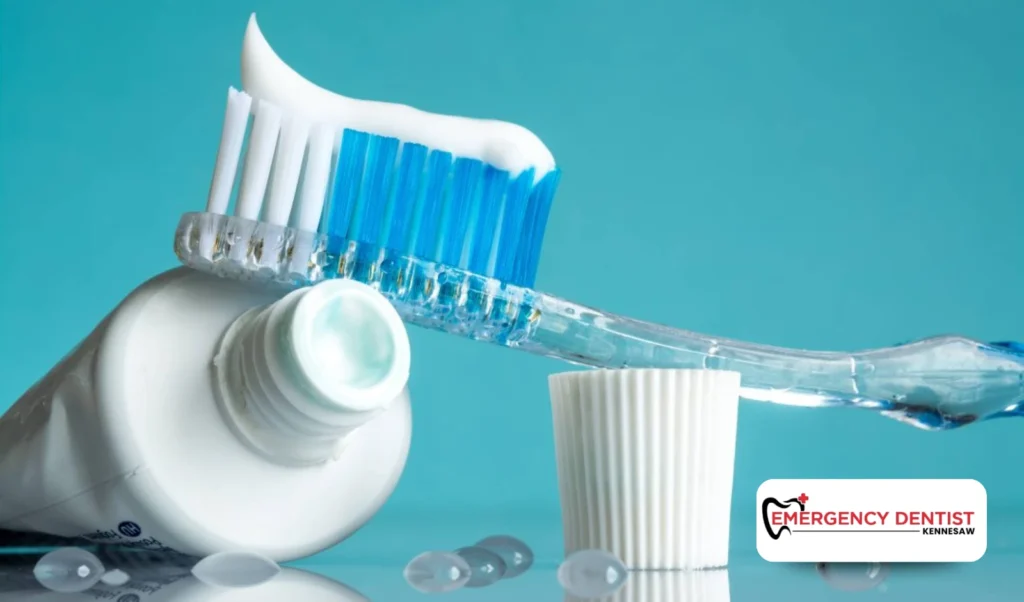
Healthy daily habits can help protect your teeth and reduce the risk of dental problems.
Helpful habits include:
- Brushing twice daily with fluoride toothpaste
- Flossing between teeth every day
- Limiting sugary snacks and drinks
- Visiting the dentist regularly
- Treating cavities early
Practicing good oral hygiene helps prevent tooth decay and supports long-term oral health.
Conclusion
Understanding how to relieve pain from tooth discomfort can help you manage symptoms while waiting for treatment. Remedies like saltwater rinses, clove oil, a cold compress, or a peppermint tea bag may help reduce pain temporarily.
However, ongoing tooth pain may signal infection, damage, or tooth decay that requires professional dental care. Prompt treatment helps protect your oral health and prevent bigger problems.
Get Tooth Pain Checked in Kennesaw
Dental discomfort should not be ignored. What starts as mild irritation can quickly turn into a serious dental problem if left untreated.
If you continue to experience toothache pain or sensitivity around a painful tooth, visiting an Emergency Dentist in Kennesaw can help identify the cause and provide treatment before the problem becomes worse.
Frequently Asked Questions
What home remedy works fastest for tooth pain?
Applying a cold compress, using saltwater rinses, or applying clove oil may help reduce discomfort temporarily.
Can peppermint tea bags really help tooth pain?
Yes. A peppermint tea bag may help soothe irritated gums and provide a cooling sensation that eases mild toothache pain.
When should tooth pain be considered serious?
If tooth pain lasts more than two days, becomes severe, or includes swelling or fever, you should seek professional dental care as soon as possible.