
How Much Are Dental X-rays? Cost, Types & Safety

Good dental care involves more than just brushing and routine cleanings. Some dental problems start below the surface, where the naked eye cannot detect them. This is why dental imaging is so important. Dental X-rays allow your dentist to clearly see your teeth, roots, and jawbone, helping to uncover hidden dental problems and design an accurate treatment plan. Whether you’re attending preventive dental exams or visiting an Emergency Dentist in Kennesaw, dental X-rays are an essential part of protecting your smile and overall health.
What Are Dental X-rays?
Dental X-rays are specialized images that capture the internal structures of your mouth. While a dentist can visually examine your teeth and gums, these images go deeper, showing what can’t be seen with the naked eye.
They can identify:
- Cavities between teeth
- Infections at the root
- Impacted wisdom teeth
- Early signs of bone loss
Without intraoral X-rays or extraoral X-rays, many oral health issues might stay hidden until they cause pain or require more complicated dental procedures.
How Much Are Dental X-rays?
Many patients wonder: how much are dental X-rays, how much does a dental X-ray cost, or how much is a dental X-ray? The truth is, the overall dental X-ray cost depends on several factors, including the type of X-ray performed, the technology used, and the dental office providing the service.
For example, intraoral X-rays such as bitewing X-rays or periapical X-rays are often part of routine dental exams. On the other hand, extraoral X-rays like panoramic X-rays, or more advanced scans such as CT scanning and 3D image technology, may be recommended for specific needs like orthodontic treatment, root canals, or planning dental implants.
Although many people search for “how much do dental X-rays cost,” the real focus should be on their value. Dental imaging allows your dentist to design an accurate treatment plan, catch problems early, and lower the chances of requiring more complex or costly dental procedures in the future.
How Often Dental X-rays Are Needed
Another common question is: how often dental X-rays should be taken? The answer depends on age, dental history, and risk level.
- Children: May need X-rays more frequently because their teeth and jaws are still developing.
- Adults with dental problems: Patients prone to decay, gum disease, or recurring infections often need X-rays more often.
- Adults with healthy mouths: May only need them occasionally, but regular imaging remains important for preventive dental care.
Dentists usually recommend imaging during dental exams to catch issues before they develop into major concerns.
Types of Dental X-rays
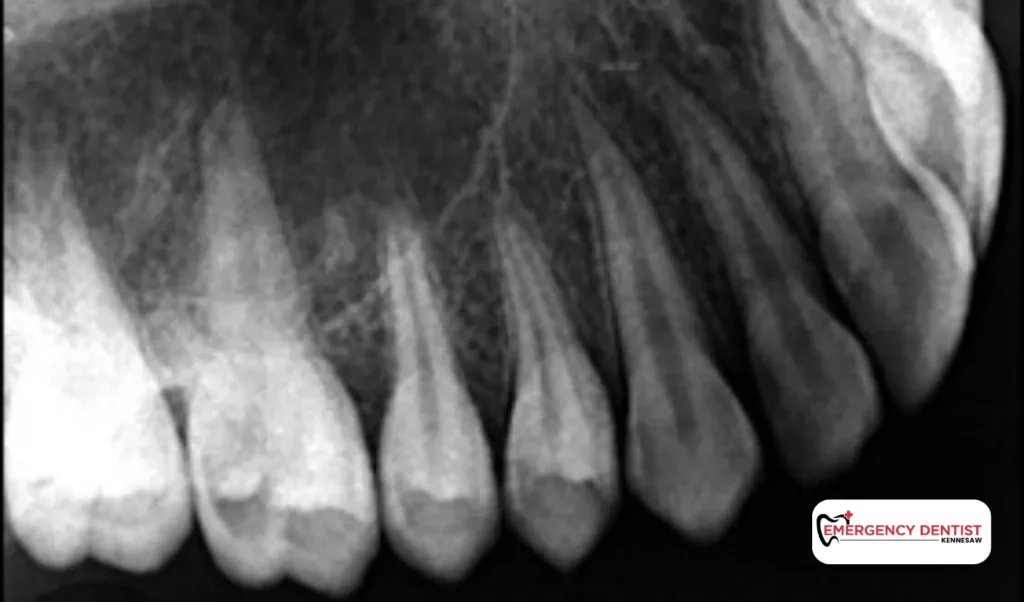
Dental X-rays come in different forms, each designed for a specific purpose. From spotting cavities to planning advanced treatments, here are the main types you should know.
Intraoral X-Rays (Inside the Mouth):
- Bitewing X-rays: Focus on the crowns and bone levels. Perfect for spotting cavities and bone loss.
- Periapical X-rays: Capture the entire tooth, from crown to root. Useful for diagnosing abscesses, cysts, or planning root canals.
- Occlusal X-rays: Show large areas of the jaw and palate, often used in children or when looking for unusual growths.
Extraoral X-Rays (Outside the Mouth):
- Panoramic X-rays: Provide a full overview of the mouth, jaws, and sinuses. Often used before orthodontic treatment, wisdom tooth removal, or to detect hidden issues.
- Cephalometric X-rays: Help orthodontists evaluate bite alignment and jaw structure.
- CT scanning & 3D image technology: Deliver detailed, high-resolution views, ideal for dental implants, complex root canals, or reconstructive procedures.
Why Different Types of Dental Imaging Matter
The correct type of X-ray depends on the dental problem and procedure being planned.
- Bitewing X-rays – Early cavity detection.
- Panoramic X-rays – Orthodontics and wisdom teeth.
- CT scanning or 3D image – Implant placement and advanced treatment.
Selecting the right imaging ensures your treatment plan is safe, effective, and tailored to your unique needs.
Safety of Dental X-rays
Many patients wonder: are dental X-rays safe?
The answer is yes. Modern imaging technology makes them extremely safe.
- Digital X-rays use very low radiation levels.
- Dentists provide protective lead aprons and thyroid collars.
- The benefits of detecting hidden dental problems far outweigh the minimal risks.
Today’s dental imaging is safer, faster, and more comfortable than ever.
Dental X-rays in Treatment Planning
Dental imaging is vital in developing an accurate treatment plan. X-rays help dentists:
- Spot cavities before they worsen.
- Detects infections that may need root canals.
- Evaluate bone density for implants.
- Confirms wisdom tooth extraction.
- Map out orthodontic treatment plans.
Without X-rays, dentists would be limited to what the naked eye can see, which often misses early warning signs.
Dental Imaging vs. The Naked Eye
Even the most experienced dentist cannot detect everything with the naked eye alone. Some dental problems develop deep within the teeth, roots, or jawbone where visual exams simply cannot reach.
Dental X-rays reveal what’s hidden, such as:
- Small cavities forming between teeth
- Early signs of bone loss caused by gum disease
- Infections or abscesses around the roots
By capturing these details, X-rays give dentists the ability to act early and create a targeted treatment plan. This proactive approach prevents small issues from progressing into painful, costly, or more complex dental procedures later on.
Emergency Dentist in Kennesaw
Not all X-rays are scheduled during routine visits. Some are required urgently.
If you experience:
- Severe tooth pain
- Sudden swelling
- A fractured tooth
An Emergency Dentist in Kennesaw may order immediate X-rays. Quick access to bitewing X-rays, periapical X-rays, or panoramic X-rays allows fast diagnosis and same-day treatment. In many emergencies, X-rays can make the difference between saving a tooth and losing it.
Conclusion
Dental X-rays are a cornerstone of modern dental care. They provide insights that the naked eye cannot detect, ensuring accurate diagnosis and treatment planning. Whether you’re preparing for orthodontic treatment, addressing a dental emergency, or undergoing root canals, dental imaging keeps your oral health protected.
While many patients ask how much are dental X-rays or search how much does a dental X-ray cost, the true focus should be on the value they deliver in safeguarding long-term oral health.
From intraoral X-rays to extraoral X-rays, from bitewing X-rays to panoramic X-rays, these imaging tools empower every dental office in Kennesaw to deliver safe, proactive, and personalized care.
Frequently Asked Questions
How much are dental X-rays?
The cost varies depending on the type of X-ray, the technology used, and the dental office. Their main value lies in detecting hidden dental problems early.
How much does a dental X-ray cost compared to other dental procedures?
Generally, X-rays are more affordable than complex procedures. Still, they are essential for planning root canals, orthodontic treatment, or gum disease care.
How often dental X-rays should be taken?How often dental X-rays should be taken?
It depends on your age and oral health. Children and high-risk adults may need them more frequently, while healthy patients need them less often.
Are dental X-rays safe?
Yes. Modern dental imaging uses very low radiation, along with protective lead aprons. The benefits far outweigh the minimal risks.
Why can’t dental problems be seen with the naked eye alone?
Decay between teeth, bone loss, and root infections are not always visible in a standard exam. X-rays make these hidden problems clear.
How do dental X-rays help with treatment planning?
They guide precise decisions for orthodontic treatment, extractions, implants, and root canals, ensuring safe and effective results.