
Emergency Wisdom Tooth Removal: Understanding the Urgency
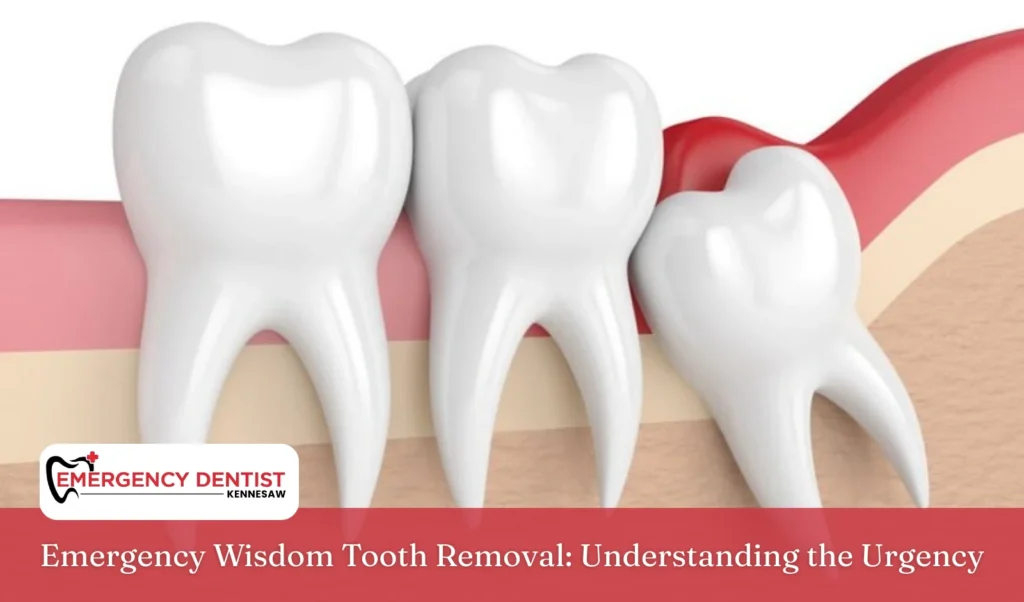
Quick Answer
How long does wisdom teeth removal take?
In most situations, wisdom tooth removal takes 30 to 60 minutes. The exact length depends on how many teeth are being removed, whether they are impacted, and how complex the tooth extraction is.
Key Takeaways
- Wisdom teeth extraction is often recommended to prevent future dental problems
- Impacted wisdom teeth may lead to pain and swelling or increase the risk of gum disease
- Most wisdom tooth extraction procedures take less than one hour
- Emergency wisdom tooth removal may be required when symptoms worsen quickly
- Protecting the blood clot after oral surgery lowers the risk of dry socket
Pressure in the back of your mouth, swollen gums, or sudden discomfort can feel alarming. Many people ask the same questions: Do I need my wisdom teeth removed? Is this urgent? How serious is it?
Wisdom teeth extraction is a common procedure that helps protect long-term oral health. Learning why wisdom tooth removal is recommended, what oral surgery involves, and how recovery works can help you feel more prepared and less anxious, especially when symptoms appear unexpectedly.
Why Wisdom Teeth Often Need to Be Removed
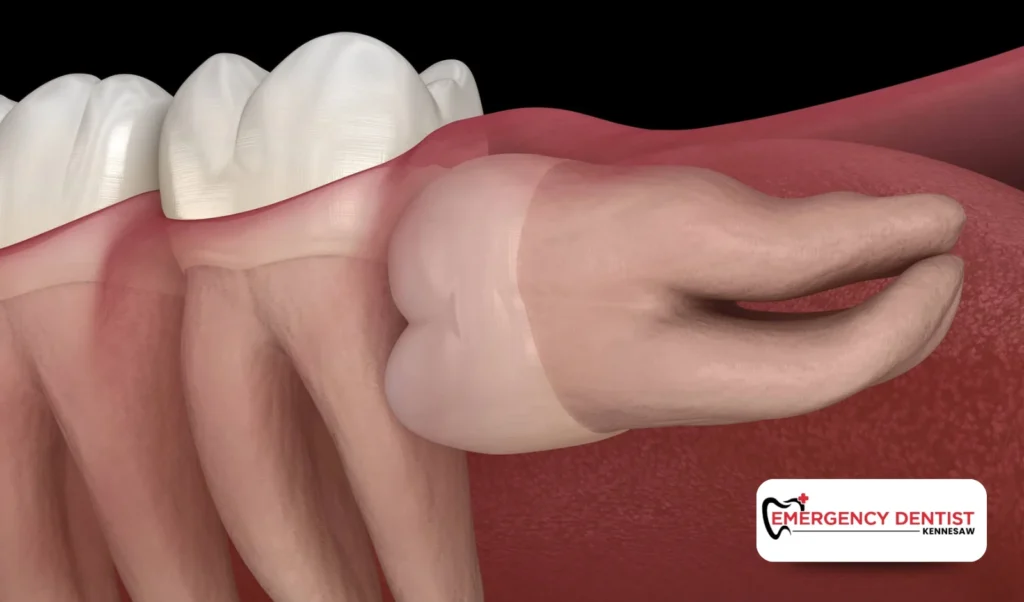
Wisdom teeth are the last molars to develop, usually appearing in the late teenage years or early adulthood. Because the jaw often does not have enough room, these teeth can cause problems as they try to emerge.
Dentists and oral surgeons often recommend removing wisdom teeth for reasons such as:
- Impacted wisdom teeth that remain trapped below the gums
- Teeth erupting at an angle toward nearby teeth
- Crowding that affects bite alignment
- Difficulty cleaning the area, raising the risk of gum disease
- Ongoing pressure that causes pain and swelling
In some cases, impacted wisdom teeth may also be linked to fluid filled sacs that form around the tooth. Left untreated, these sacs can damage nearby bone or teeth, making early evaluation important.
What Is Impacted Wisdom Tooth Removal?
An impacted wisdom tooth is one that cannot fully break through the gum tissue. Some are partially visible, while others remain completely hidden beneath the surface.
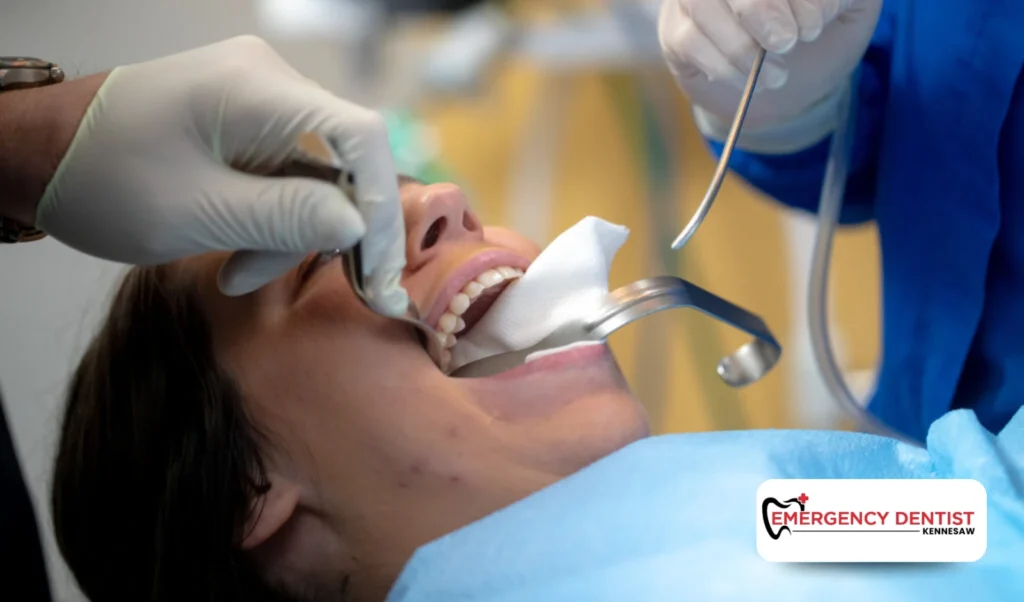
When impacted wisdom teeth are present, oral surgeons often recommend wisdom tooth extraction to protect surrounding teeth and gums. This type of tooth extraction is performed through oral surgery and may involve local anesthesia, IV sedation, or both, depending on comfort needs and complexity.
What Happens During Wisdom Tooth Extraction?
Feeling nervous before oral surgery is completely normal. Understanding what happens during wisdom tooth extraction can help ease uncertainty.
During the procedure:
- The area is numbed using local anesthesia
- IV sedation may be used to help patients relax
- Oral surgeons carefully remove the tooth
- The extraction site is cleaned to support healing
Whether the procedure is simple or more involved, the goal is always the same: safe removal, minimal discomfort, and a smoother recovery.
When Is Emergency Wisdom Tooth Removal Needed?

Not every wisdom tooth issue is urgent, but certain symptoms may signal a dental emergency.
Emergency wisdom tooth removal may be necessary if you experience:
- Sudden or worsening pain and swelling
- Signs of infection around an emergency wisdom tooth
- Difficulty opening your mouth
- Swelling that spreads to the jaw or face
Ignoring emergency wisdom tooth symptoms can allow problems to escalate quickly. Prompt care helps reduce discomfort and prevent complications.
Recovery After Wisdom Teeth Extraction
Healing after wisdom teeth extraction happens in stages. One of the most important early steps is protecting the blood clot that forms over the extraction site. This clot shields the bone and supports proper healing.
If the clot becomes dislodged, dry socket may develop, which can delay recovery and increase discomfort.
Helpful recovery tips include:
- Eating soft foods like mashed potatoes during the first few days
- Resting and avoiding strenuous activity
- Following aftercare instructions from your dental provider
- Keeping the mouth clean without disturbing the extraction site
These steps help manage pain and swelling while allowing natural healing to take place.
Pain, Swelling, and What’s Normal
Mild soreness and swelling are common after wisdom tooth removal, especially in the first few days. This is part of the body’s normal response to oral surgery.
Most patients notice steady improvement over time. If pain and swelling increase instead of improving, or if new symptoms appear, it’s important to contact a dental professional for guidance.
Final Thoughts
Wisdom teeth extraction can feel overwhelming, especially when symptoms appear suddenly or interfere with daily life. Understanding why wisdom tooth removal is recommended, how oral surgery works, and what recovery typically involves can help reduce stress and uncertainty.
Whether you are dealing with impacted wisdom teeth or concerned about a dental emergency, timely care supports comfort and long-term oral health.
Get Prompt Help for Wisdom Tooth Emergencies in Kennesaw
When discomfort feels sudden or severe, knowing where to turn makes all the difference. If you are experiencing pain, swelling, or signs of an emergency wisdom tooth problem, professional care matters.
Emergency Dentist in Kennesaw provides prompt evaluation for wisdom tooth concerns, including emergency wisdom tooth removal and recovery guidance.
Don’t wait for symptoms to worsen.
Scheduling an appointment today can help protect your oral health and bring faster relief.
Frequently Asked Questions
Is wisdom teeth extraction always an emergency?
No. Many wisdom teeth extractions are planned in advance, but sudden pain or swelling may require urgent care.
What can I eat after wisdom tooth removal?
Soft foods such as mashed potatoes are usually easiest during early recovery.
How soon should I schedule an appointment if symptoms start?
If pain, swelling, or pressure continues or worsens, scheduling an appointment early can help prevent complications and determine whether emergency wisdom tooth removal is needed.