
How Long Does a Dental Implant Take to Heal Effectively?
Getting a dental implant is an important step toward restoring your smile, boosting confidence, and protecting long-term oral health. However, many people still wonder, how long does it take for dental implants to heal? The answer varies from person to person because it depends on your overall health, number of implants, bone strength, and whether bone grafting was needed. Learning about the recovery process helps you prepare, heal safely, and protect your long-term results.
What Happens During a Dental Implant Procedure?
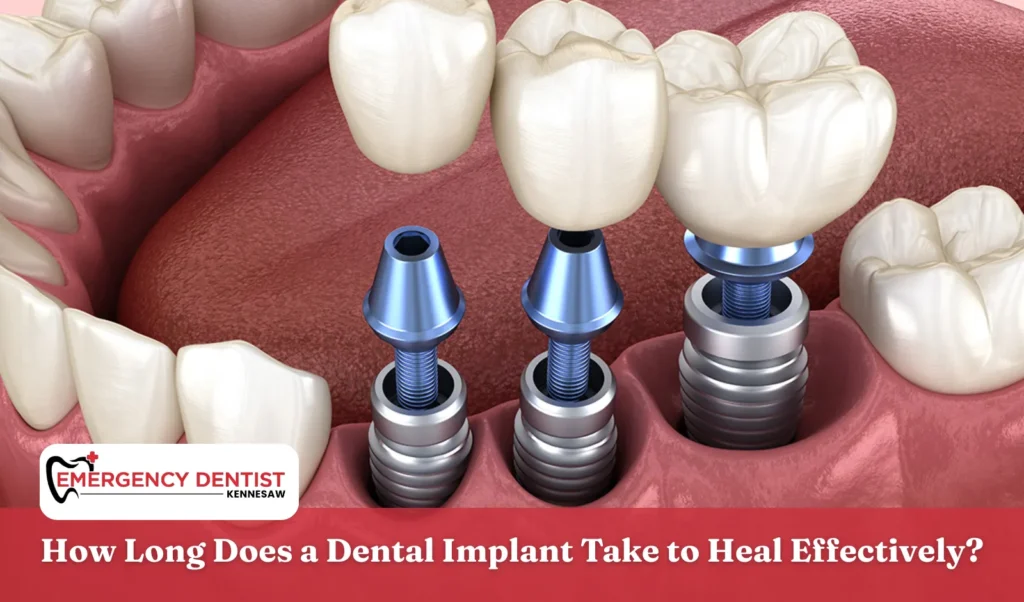
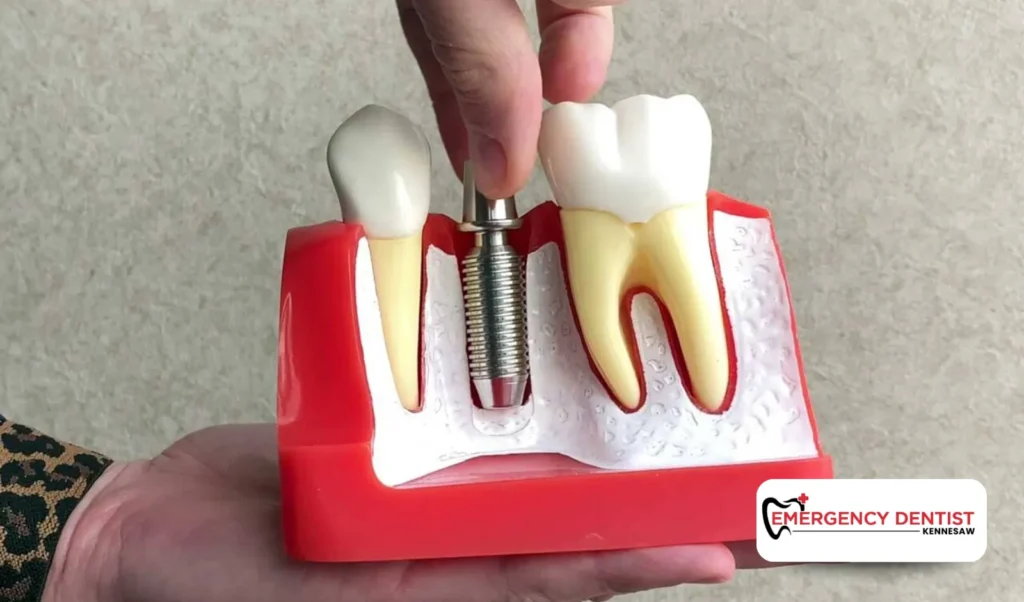
A dental implant procedure involves placing a titanium post into your jawbone. This post works like the root of natural teeth, supporting a future crown. After implant placement, the implant site needs time to heal and attach to the bone through a process called osseointegration.
If your jawbone is weak or thin, your dentist may recommend bone grafting before surgery. This helps strengthen the foundation but may also lengthen the healing time.
How Long Does a Dental Implant Take to Heal?
Healing begins right after dental implant surgery. During the first 24 hours, it is normal to feel mild swelling or pressure, but many patients do not feel any pain due to anesthesia and proper care.
Complete dental implant healing often takes several months. During this recovery time, the bone gradually grows around the implant, securing it in place. If you received multiple implants or had bone grafting, your recovery process may take a little longer.
What Factors Affect Healing Time?
The answer to how long do dental implants take to heal depends on several key factors:
- Overall health – Healthy gums and strong bones help speed healing.
- Number of implants – More implant sites may extend recovery.
- Bone grafting – Adds extra healing time before crown placement.
- Oral health – Good hygiene helps prevent infection.
- Lifestyle choices – Smoking, poor diet, or skipping care instructions can delay healing.
A dental professional can help create a personalized treatment plan based on these factors.
Recovery Tips to Support Healing
Healing successfully depends on how well you follow post-surgery instructions.
During the first 24 hours:
- Avoid touching the implant area
- Do not rinse forcefully
- Rest and allow healing to begin
In the following days:
- Eat soft foods like yogurt, oatmeal, and mashed potatoes
- Brush gently around the implant site
- Avoid strenuous activities
Avoid:
- Crunchy foods that may irritate or damage the implant
- Smoking, which slows healing
- Using straws, as suction can affect clotting
These steps help protect the implant and improve your recovery time.
When Will the Implant Feel Comfortable?
As healing progresses, any discomfort should slowly fade. Most people return to normal daily routines after a few days. Over time, your implant will begin to feel more like natural teeth, especially once the crown is placed.
When to Seek Professional Dental Help
Contact an Emergency Dentist in Kennesaw if you notice:
- Swelling or redness that gets worse
- Bleeding after 24 hours
- Intense pain that does not improve
- A loose implant or crown
These may be signs of infection or delayed healing and should be checked early.
Long-Term Care for Lasting Success
With proper care, dental implants can last for many years. Regular brushing, flossing, and dental checkups help keep them secure, just like natural teeth. Maintaining good oral hygiene and healthy habits improves long-term implant success.
Why a Consultation Matters

Since every patient heals differently, the best way to know how long a dental implant takes to heal is to schedule a consultation. A dental professional can check your bone health, gum condition, and overall needs to create a personalized treatment and recovery plan.
Final Thoughts
Healing from dental implant surgery takes patience, time, and proper care. By protecting the implant site, choosing to eat soft foods, maintaining good oral hygiene, and avoiding strenuous activities, you support healthy bone bonding and help the implant heal fully and safely. These careful steps play an important role in preventing complications and ensuring the implant becomes strong, secure, and natural-looking, just like real teeth.
To understand your unique healing timeline and get guidance tailored to your needs, schedule a consultation with an Emergency Dentist in Kennesaw today.