


Quick Answer
Is a chipped molar serious if I don’t feel any pain?
A chipped molar without pain is not always serious, but it should still be examined by a dentist. A small chip may only affect the tooth’s outer surface, while a deeper break could damage its structure. Even if the tooth feels normal, a dental exam can help identify possible problems and determine whether treatment is needed.
Key Takeaways
- A molar can chip without causing pain when the sensitive inner layers remain protected.
- Biting hard foods, grinding teeth, and accidents are common reasons molars break.
- A chipped tooth may develop larger cracks, decay, or sensitivity if the damage gets worse.
- Avoid chewing on the damaged side and choose softer foods until your dental visit.
- Small chips may need simple repairs, while deeper damage may require additional treatment.
- A dental exam can help identify the extent of the damage and guide proper care.
If you’ve discovered a chipped molar tooth but no pain, it might seem easy to brush off. Many people experience a chipped tooth, no pain molar situation and think there’s no need for concern. But just because there’s no discomfort doesn’t mean your tooth is safe. Even a minor chip in your molar can lead to more serious dental issues over time.
In this article, we’ll explore why you shouldn’t ignore a chipped tooth, what might have caused it, how to prevent further damage, and when it’s time to see an Emergency Dentist in Kennesaw.
Can You Chip a Tooth Without Feeling Pain?
Yes, you can chip a tooth and feel absolutely no tooth pain, especially if the tooth’s nerve isn’t exposed. This often happens with molars because they absorb heavy pressure while chewing and may not show immediate symptoms when damaged. You might feel a sharp edge with your tongue or spot a small crack or chip, but if there’s no pain or sensitivity, it’s easy to delay treatment.
However, this delay can compromise your oral health and lead to further problems like infection, tooth decay, or even tooth loss.
Why You Should Never Ignore a Chipped Molar Tooth
Your molars do the heavy lifting when it comes to chewing, so any damage, even a small chip can weaken their structure. A chipped molar tooth with no pain may seem harmless, but if part of the tooth is damaged, the weakened structure can cause the chip or crack to spread.
Over time, food and bacteria can collect in the chipped area, leading to tooth decay, infections, or even a cracked tooth that reaches the tooth’s nerve. At that point, you may require more invasive treatment options, such as a root canal or even tooth extraction.
Related: Chipped Tooth with No Pain Can Still Harm Your Oral Health
What Causes a Chipped Tooth?
There are several common causes behind chipped teeth, including:
- Biting into hard foods like ice, popcorn kernels, or candy
- Teeth grinding (bruxism), especially at night
- Trauma from sports injuries or accidents
- Old dental fillings weakening the surrounding structure
- Natural wear and tear due to aging
Even everyday chewing can cause a chip if the tooth is already weakened.
Risks of Leaving a Chipped Tooth Untreated
Ignoring a minor chip might not seem risky, but here’s what can happen if you don’t get dental care promptly:
- The chip or crack becomes larger
- Increased risk of tooth decay
- Irritation or injury to the surrounding soft tissue from a sharp edge
- Exposure of the tooth’s nerve, causing pain or infection
- The need for more extensive and expensive treatments
- Long-term damage to your oral health
Delaying care only increases the chances of more complex problems that require more than just a simple fix.
Related: Can a Cracked Tooth Cause Infection Inside the Tooth?
What to Do If You Chip a Tooth
If you believe you’ve chipped a molar, follow these steps to prevent further damage until you can see a dentist:
- Avoid chewing on the affected side
- Stick to soft foods and avoid anything crunchy or hard
- Rinse your mouth with warm salt water to reduce bacteria
- Cover the sharp edge with dental wax or sugar-free gum if it irritates your tongue or cheek
- Take counter pain relievers like ibuprofen if any discomfort starts
These steps help protect the chipped tooth from worsening and reduce the chance of complications.
Related: When Is a Chipped Tooth an Emergency? Key Facts to Know
Treatment Options for a Chipped or Cracked Tooth
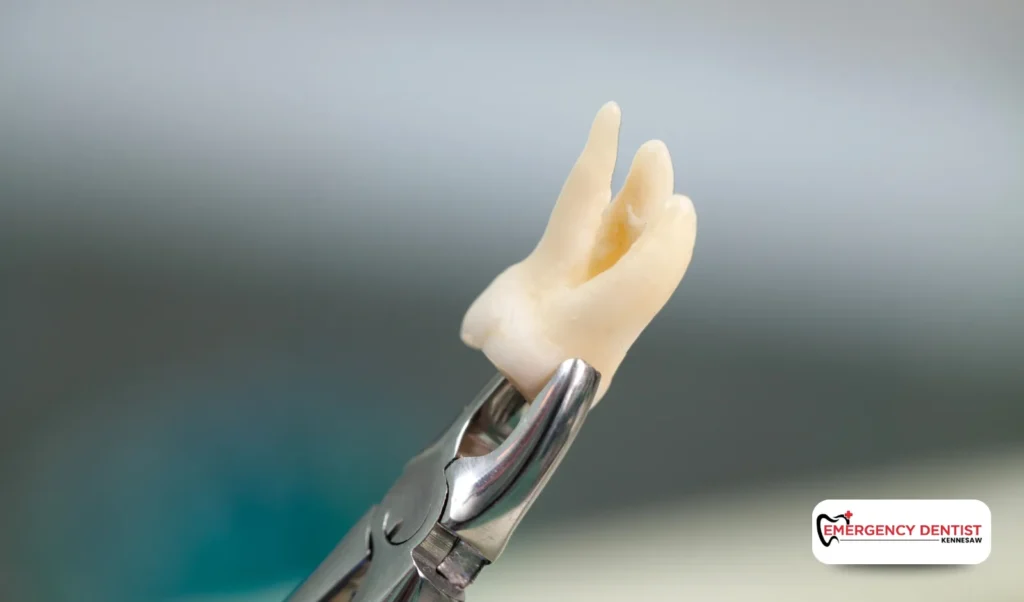
Your dentist will evaluate the damage and recommend the best treatment options, which may include:
- Dental Bonding: For a small chip, composite resin is applied to restore shape and function.
- Dental Crown: For a larger chip or cracked molar, a dental crown is used to fully cover and protect the tooth.
- Veneers: Usually for front teeth, they improve both appearance and strength.
- Root Canal: If the tooth’s nerve is exposed or infected, a root canal removes the infection and saves the tooth.
- Tooth Extraction: In severe cases, the part of the tooth may be too damaged to repair and will need to be removed.
Related: Can a Dentist Fix a Cracked Tooth? Quick Treatment Guide
When to See an Emergency Dentist in Kennesaw
Just because your chipped tooth doesn’t hurt doesn’t mean you should wait. Visit an Emergency Dentist in Kennesaw if you notice any of the following:
- The chipped molar tooth has a sharp edge
- You notice swelling, bleeding, or increasing sensitivity
- The chip is affecting how you eat or speak
- You’re concerned about the possibility of hidden damage
An Emergency Dentist in Kennesaw can provide fast, effective care and help prevent more serious dental issues.
Related: Prompt, Professional Treatment for Chipped Tooth in Kennesaw
Final Thoughts
A chipped molar may not hurt or interfere with eating, but that doesn’t mean the damage should be ignored. Some chips remain minor, while others may worsen under repeated chewing pressure.
Taking care of the tooth early can help reduce the risk of further problems. Avoid hard foods, keep the area clean, and schedule a dental exam to find out whether treatment is necessary.
Protect Your Tooth With an Emergency Dentist in Kennesaw
Have you noticed a chipped molar but aren’t experiencing any discomfort? An Emergency Dentist in Kennesaw provides dental evaluations to check chipped or cracked teeth and identify possible damage.
Our dental team can examine your tooth, explain the findings, and discuss suitable treatment options based on your needs.
Contact us today to schedule your dental visit. Walk-ins are welcome when availability allows, and calling ahead may help shorten your wait.
Frequently Asked Questions
Can a chipped molar damage nearby teeth?
A chipped molar usually does not damage nearby teeth. However, a sharp edge can irritate your tongue or cheek, while an uneven bite may put extra pressure on other teeth.
Can I sleep with a chipped molar?
Yes. A small chipped molar without pain or swelling usually does not need emergency care overnight. Avoid chewing on that side and arrange a dental exam soon.
How do dentists check a chipped molar?
A dentist examines the tooth for cracks, sharp edges, and missing enamel. Dental X-rays may also be used to check for deeper damage and help determine whether treatment is needed.