

How Does a Dentist Do a Root Canal? Explained Simply
Quick Answer
How does a dentist do a root canal?
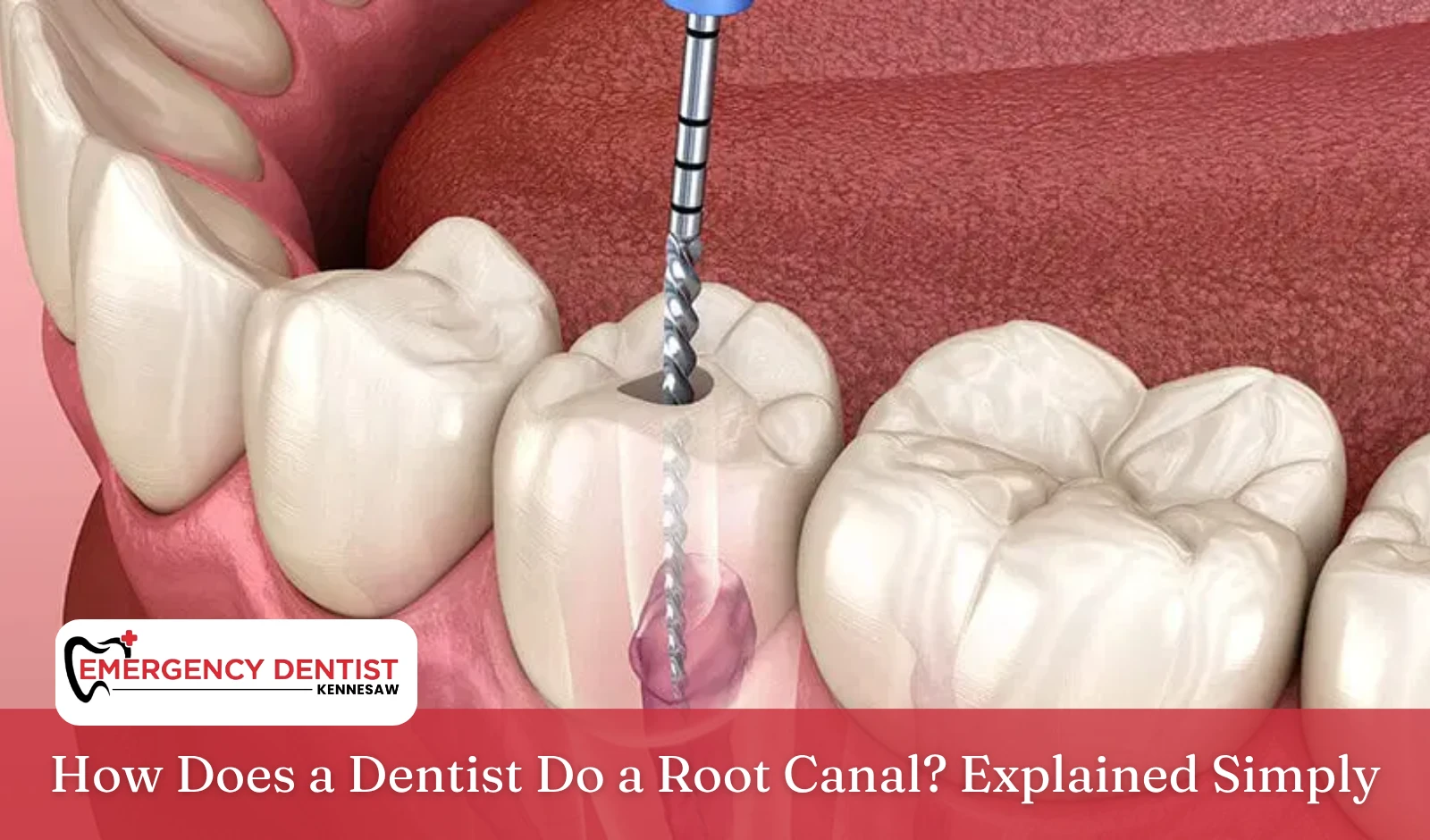
The dentist enters the tooth through a small opening, removes unhealthy tissue, and cleans the narrow canals inside its roots. Those spaces are filled and sealed before the tooth is restored, helping with saving your natural tooth when treatment is appropriate.
Key Takeaways
- The dentist evaluates the tooth before starting.
- Local anesthesia is generally used during treatment.
- Damaged or infected pulp is removed.
- Special instruments prepare the inside of each canal.
- A material called gutta-percha is commonly used for sealing.
- Treatment may be performed by a general dentist or endodontist.
Many patients know the term “root canal” without knowing what the treatment involves. The procedure actually focuses on a very small area hidden inside the tooth.
This dental procedure removes unhealthy soft tissue and prepares the internal spaces for sealing. Known as endodontic treatment, it is intended to treat the inside of the tooth while allowing the natural tooth structure to remain when possible.
What Does a Dentist Do During a Root Canal?
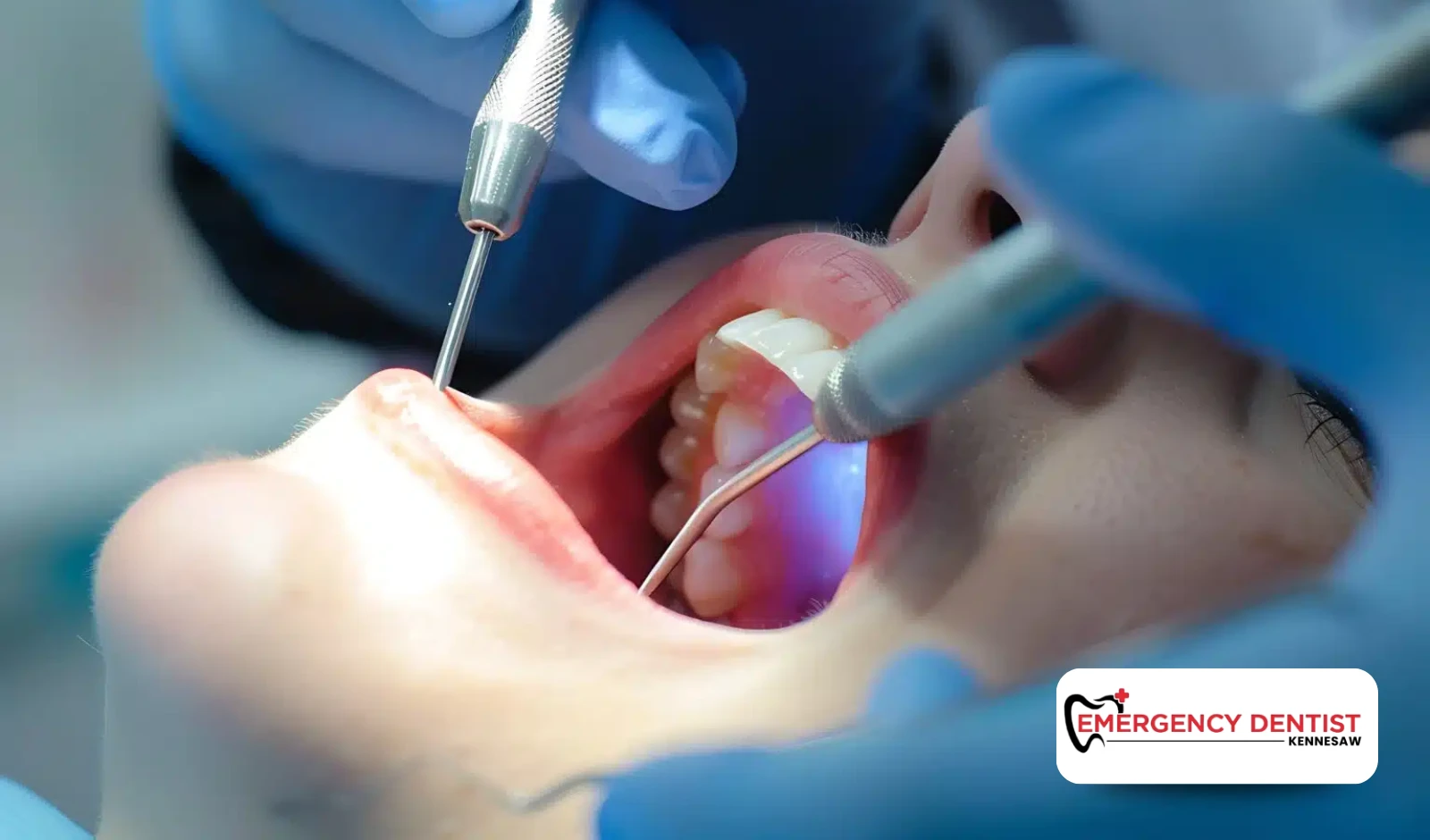
An examination usually comes first. The dentist may also take X-rays to see the roots and surrounding structures.
These findings help guide the treatment.
Preparing the Tooth
Local anesthesia is commonly used before the tooth is opened. Numbing the area helps you remain comfortable.
The dentist then makes a small opening that provides a pathway into the center of the tooth.
Removing the Pulp
The inner pulp tissue contains nerves, blood vessels, and other soft material.
If this tissue is severely inflamed or infected, it is removed from the pulp chamber and root canal spaces.
The pulp also contains blood vessels and connective tissue that helped the tooth develop. Mature permanent teeth can generally remain in place without this tissue.
What Do Dentists Use to Clean Root Canals?
Once the pulp has been removed, the dentist needs to prepare the narrow pathways inside the roots.
Small instruments and cleaning solutions are used during this stage of the root canal procedure. The dentist cleans and shapes the accessible canals so they can be properly filled.
Because internal anatomy varies, some teeth take more time to prepare than others.
What Do Dentists Fill Root Canals With?
So, what do dentists fill root canals with after preparation?
Gutta-percha is a commonly selected filling material. It is flexible and designed for placement inside the root canals.
Together with a dental sealer, it helps seal the cleaned spaces within the treated tooth.
What Do Dentists Put in Root Canal Teeth Afterward?
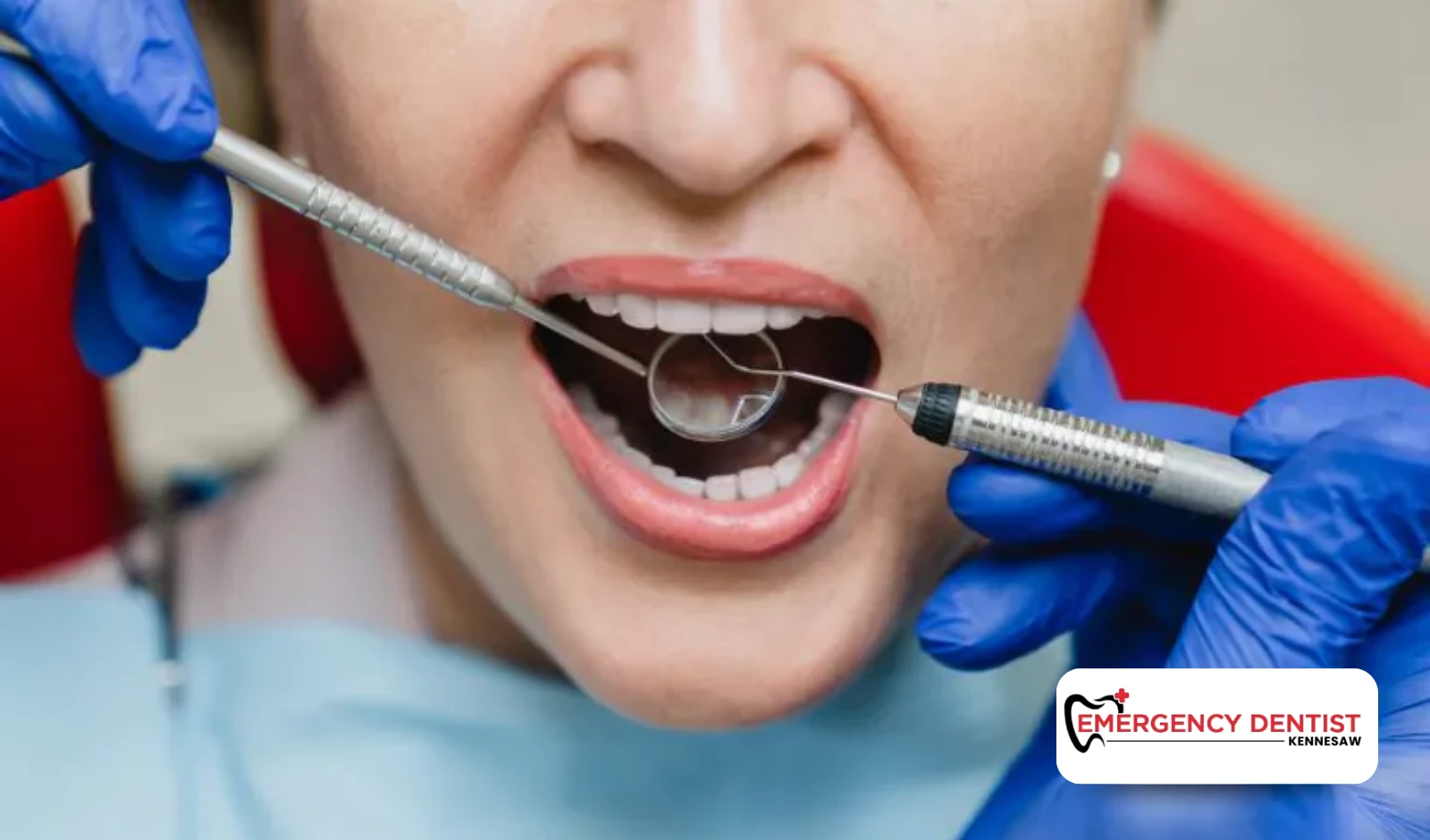
After the canals are sealed, the opening used to reach them must be restored.
The dentist may initially use a temporary filling if another appointment is required. A permanent filling or crown may later provide the final restoration.
The appropriate choice depends on the amount of healthy tooth structure remaining and other individual factors.
Care After Your Appointment
Be cautious with the tooth until your dentist tells you it is ready for normal chewing, particularly if a temporary restoration is present.
Continue brushing and flossing according to your dental team’s recommendations. These habits remain essential for maintaining your overall oral health.
Final Thoughts
Root canal treatment addresses the inside of a tooth through a sequence of cleaning, preparation, sealing, and restoration. Each stage serves a different purpose in completing treatment.
When an infected tooth is a concern, a dentist needs to evaluate it to determine which treatment is suitable.
Get a Clear Plan for Dental Pain in Kennesaw
Instead of trying to determine the cause of persistent tooth pain yourself, consider having the tooth professionally evaluated. An Emergency Dentist in Kennesaw can assess the affected area and explain your options so you understand what care may be needed.
Frequently Asked Questions
Why does a dentist measure the root canals?
The dentist needs to determine the working length of the canals so the appropriate areas can be cleaned and prepared. Different teeth and roots vary in length.
Can I use an electric toothbrush after treatment?
You can generally return to normal dental hygiene, but follow your dentist’s instructions while the area is healing or a temporary restoration is present.
What if my tooth has unusually curved roots?
Curved or complex canals may make treatment more challenging. Your general dentist may recommend specialized endodontic care when appropriate.
Can children need root canal treatment?
Dental pulp treatment can sometimes be needed in younger patients, although the specific procedure depends on whether the affected tooth is primary or permanent.
Why is the final restoration important?
The final restoration closes and protects the remaining tooth structure while helping restore normal function.