

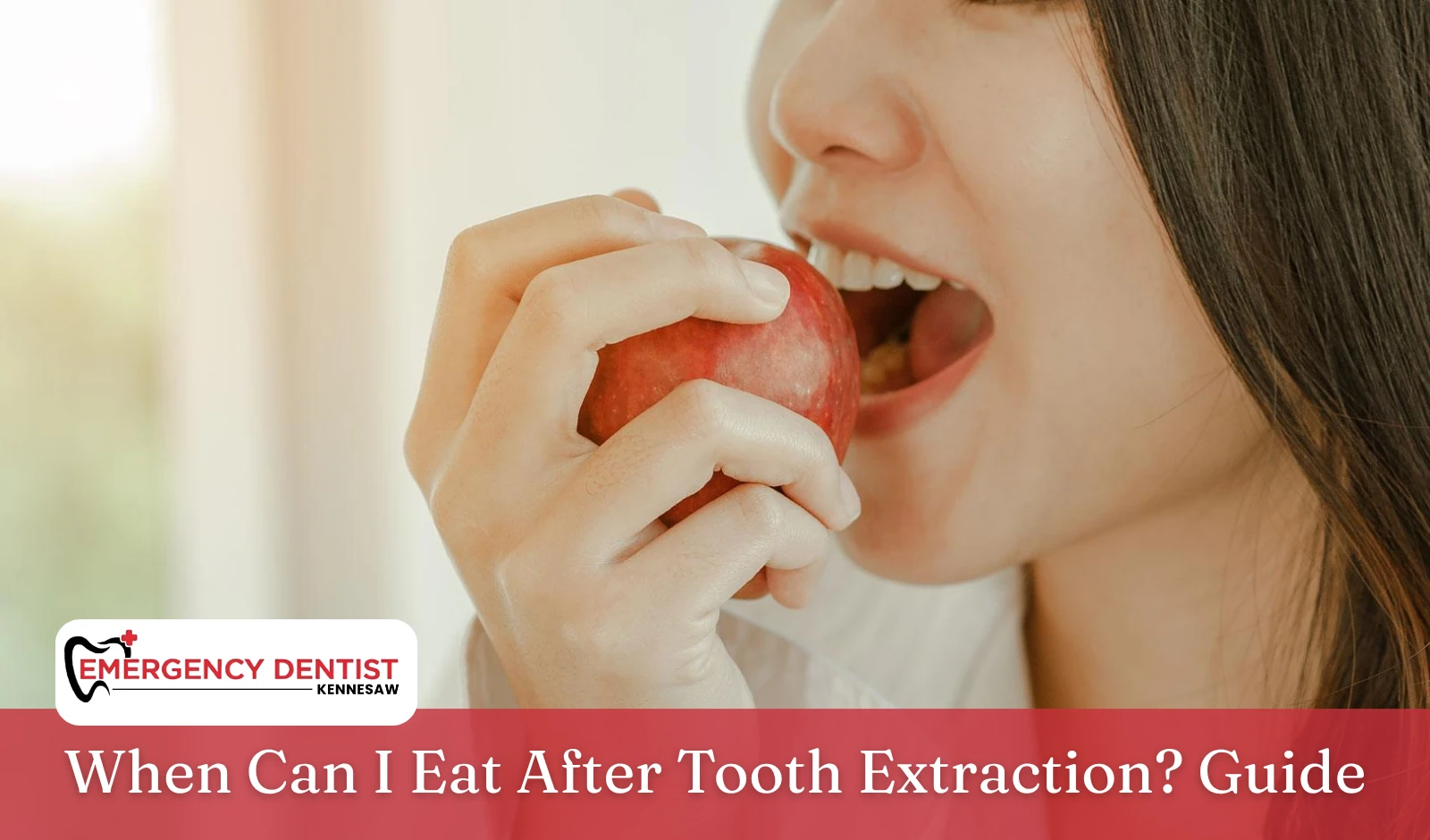
When Can I Eat After Tooth Extraction? Guide
Quick Answer
When can I eat after tooth extraction?
You can begin with liquids and very soft foods within a few hours after your procedure. As the healing process improves, most people can start reintroducing solid foods after several days based on comfort.
Key Takeaways
- Start with liquids and very soft foods
- Avoid anything that may dislodge the blood clot
- Add soft foods before you eat solid foods
- Stay away from foods that can irritate the extraction site
- Chew gently to protect the area
After dental procedures, many patients ask when can I eat solid food after tooth extraction. What you eat during recovery plays an important role in how quickly you feel better. Eating too soon or choosing the wrong foods may lead to discomfort or slow progress.
After the procedure, your body begins the healing process right away. A blood clot forms where the tooth was removed to protect the area. If you dislodge the blood clot, it can lead to dry socket, which may delay healing and cause discomfort.
What to Eat After Your Procedure

During the early post extraction stage, it is best to focus on foods that are gentle and easy to manage. Options like soups, yogurt, and smoothies are helpful and less likely to cause irritation.
It is also important to focus on staying hydrated. Drinking enough water supports a smooth recovery and may help reduce swelling. Avoid using straws, as suction can disturb the clot.
As your mouth begins to improve, you can slowly add foods like mashed potatoes and scrambled eggs. These are easy to eat and help you return to your normal routine. You may also enjoy soft treats like ice cream, as long as it is not too cold or too hard.
When to Start Eating Solid Foods
Many people wonder when they can safely return to normal meals. Most patients can begin reintroducing solid foods within a few days, depending on how they feel.
When you begin to eat solid foods, start with softer textures before moving to harder options. This helps reduce pressure and makes eating more comfortable.
Be sure to focus on chewing on the opposite side and avoid placing pressure on the side of your mouth where the tooth was removed. This helps protect the area and supports healing.
Foods to Avoid During Recovery
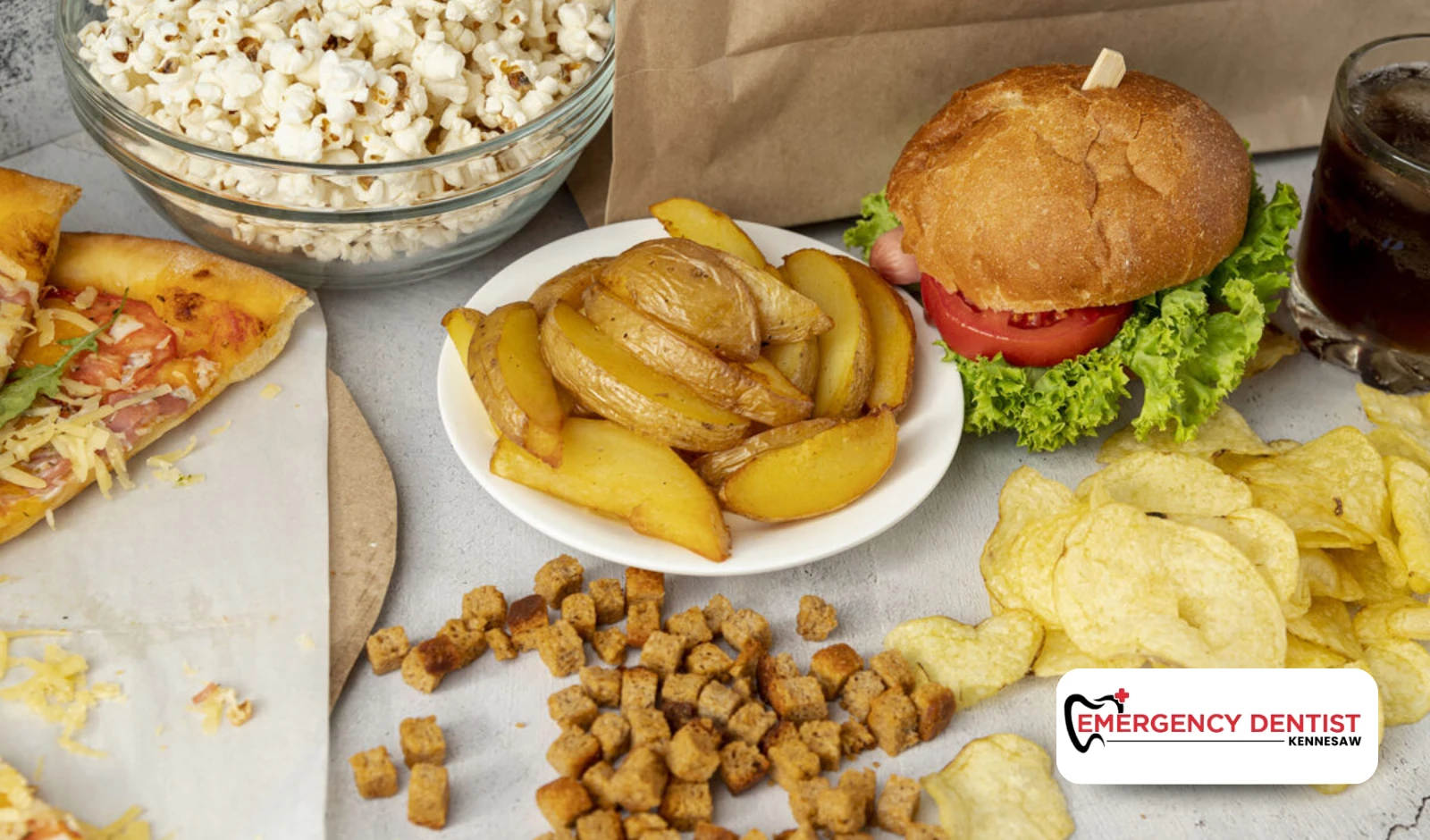
Choosing the right meals is important, but knowing which foods to avoid is just as important. Crunchy snacks, sticky candy, and very hot foods can irritate the extraction site and increase the risk of complications.
You should also avoid spicy or acidic foods, as they may cause discomfort. Hard foods can place pressure on the area and may slow your progress during the early stages.
Being mindful of your choices when selecting foods after tooth extraction can help support your recovery.
Simple Tips for Healing
Be mindful each time you eat after a tooth procedure. Eating too quickly or placing pressure on the area can affect your recovery.
Take your time and keep meals simple. Gentle habits can support healing and help you feel more comfortable.
Final Thoughts
Healing takes time, but small choices can make a difference. Following simple care steps, choosing soft foods, and protecting the area can help support a smoother recovery.
Care You Can Rely On in Kennesaw
If your recovery is not improving or you notice unusual discomfort, it’s important to take action. Emergency Dentist in Kennesaw provides prompt evaluations and personalized care to help you recover safely and protect your oral health.
Frequently Asked Questions
Can I eat right after my extraction if I feel okay?
It’s best to wait until the numbness wears off, then begin with soft foods.
Why should I avoid certain foods after my procedure?
Some foods can disturb the area and increase the risk of complications.
How do I know if I can eat solid foods again?
If chewing feels comfortable and there is no pain, you can slowly try softer solid foods first.