
Crack in Front Tooth: Best Dental Repair Solutions

A crack in a front tooth can be both alarming and uncomfortable. Whether it occurs from biting something hard, an accident, or years of wear, even a small front tooth cracked can affect your appearance and confidence. Beyond aesthetics, it’s also a dental emergency that requires prompt attention, as a minor fracture can spread and harm your natural tooth.
In this guide, you’ll learn how to recognize tooth cracks and explore the most effective treatment options to save the tooth. From dental bonding and veneers to crowns, root canal therapy, and implants, these modern treatments can restore strength and beauty to your smile.
If you experience pain, sensitivity, or notice a visible line on your tooth, visit an Emergency Dentist in Kennesaw for professional cracked front tooth repair before it worsens.
Understanding Cracks in Front Teeth
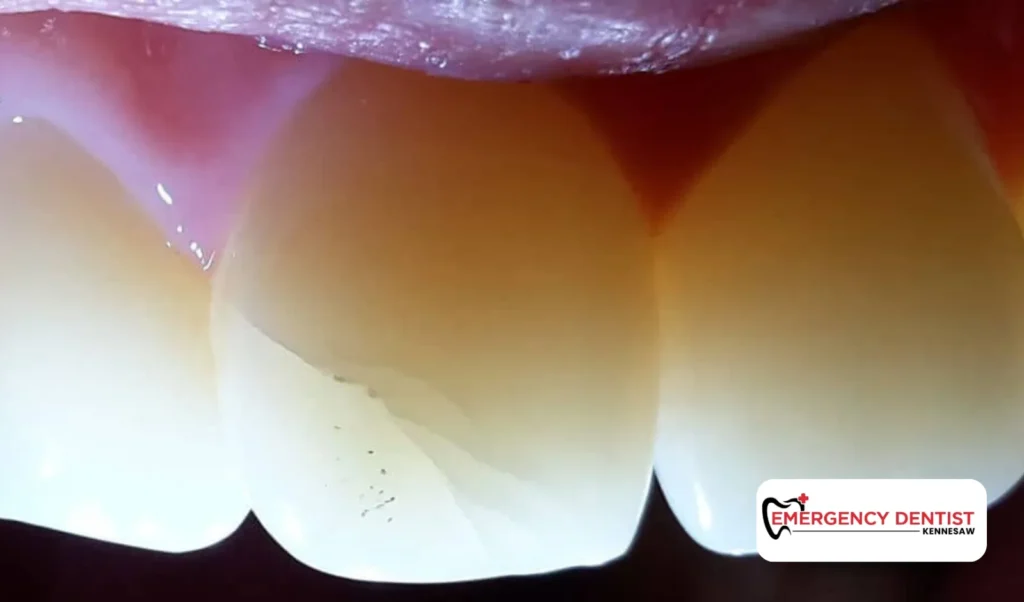
Your tooth enamel is strong, but it can still wear down over time. Everyday habits such as chewing hard foods, teeth grinding, or sudden impact can cause tooth cracks to form. Once a crack extends into the inner layers, bacteria can enter and lead to infection.
Here are the common types of tooth cracks dentists often treat:
- Craze lines: Fine surface lines on the enamel that are usually painless and don’t require treatment.
- Fractured cusp: A piece of the tooth’s edge or chewing surface breaks off, often around a filling or weak area.
- Vertical cracks: These start near the gum line and can extend toward the root, becoming more serious if left untreated.
Understanding which type of cracked tooth you have helps the dentist determine the right treatment option to repair and save the tooth.
Signs You Have a Cracked Front Tooth
Some tooth cracks are obvious, but others may go unnoticed. Common signs include:
- Sharp or sudden tooth pain when chewing
- Sensitivity to hot, cold, or sweet foods
- A rough or uneven edge on the tooth
- A visible line or dark streak on the enamel
Even if there’s no pain, a front tooth cracked can still worsen. Seeing an Emergency Dentist in Kennesaw ensures proper evaluation and treatment before the crack spreads deeper.
Why a Cracked Front Tooth Shouldn’t Be Left Untreated
Leaving a crack in a front tooth untreated can lead to infection, nerve damage, or even tooth loss. The crack allows bacteria to enter the tooth and compromise the tooth enamel and dentin layers.
If left untreated, a small cosmetic issue could progress into severe pain, the need for root canal therapy, or even extraction. Seeking treatment early helps save the tooth, prevent complications, and protect your overall oral health.
Cracked Front Tooth Repair: Best Treatment Options
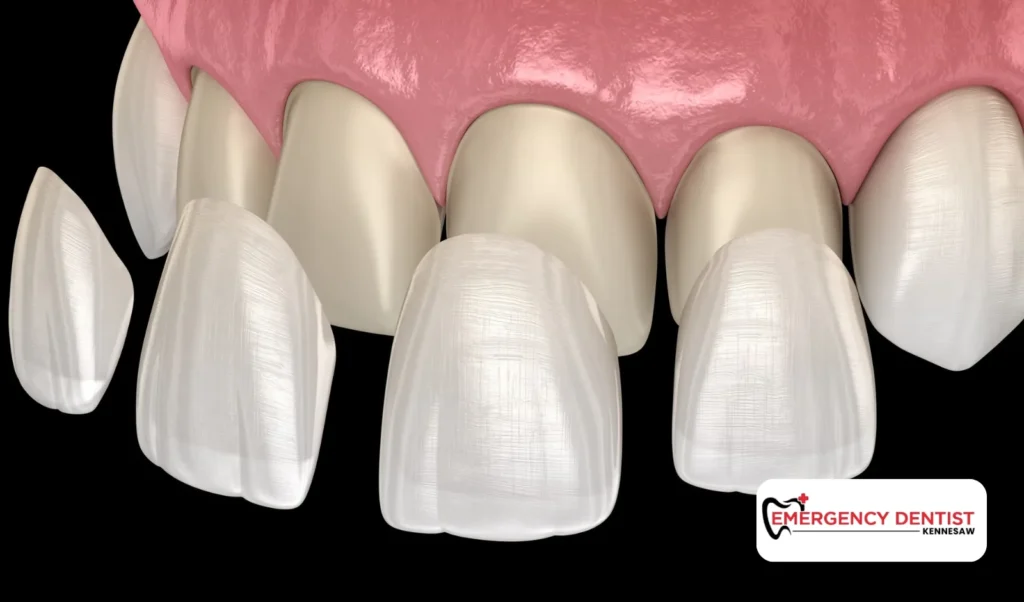
Dentists use several methods to repair a damaged tooth, depending on the crack’s depth and severity. Here are the most common treatment options for cracked front tooth repair:
1. Dental Bonding
For small cracks or chips, dental bonding is a simple and affordable solution. The dentist applies a tooth-colored composite resin to seal the crack and restore the tooth’s appearance. The resin blends seamlessly with your natural tooth and strengthens the structure. Bonding is ideal for fixing minor craze lines and small chips.
2. Dental Veneers
If the crack in a front tooth affects the visible surface, dental veneers can be a great choice. Veneers are thin porcelain shells placed on the front of the tooth to restore appearance and provide extra protection. They’re especially helpful for restoring symmetry and preventing further damage.
3. Dental Crowns
When a crack extends deeper or involves a fractured cusp, a dental crown is often the best solution. A crown covers the entire visible portion of the natural tooth, reinforcing it and preventing the crack from spreading. Crowns are essential when the crack reaches near the gum line or affects chewing function.
4. Root Canal Therapy
If bacteria have entered the pulp, root canal therapy is necessary to remove infection and save the tooth. The dentist removes infected tissue, disinfects the inner canal, and seals it to prevent reinfection. A dental crown is usually placed afterward to restore strength and protect the damaged tooth.
5. Dental Implants
If the crack extends below the gum line and the natural tooth can’t be saved, extraction may be required. A dental implant can replace the lost tooth with a durable, permanent restoration that looks and functions like a real tooth. It restores stability, chewing ability, and aesthetics.
Each treatment option aims to repair damage, save the tooth, and maintain the health of surrounding structures.
Home Care Tips Before Visiting the Dentist

If you can’t see a dentist immediately, follow these steps to protect your cracked tooth:
- Rinse with salt water to reduce bacteria and swelling.
- Avoid chewing on hard foods to prevent the crack from worsening.
- Apply dental wax to smooth sharp edges that may irritate your mouth.
- Use over-the-counter pain relievers to manage discomfort.
These temporary measures won’t repair the damaged tooth, but they help prevent further damage before you receive professional care.
How to Prevent Future Tooth Cracks
Once your cracked front tooth repair is complete, caring for your natural teeth properly can help you avoid another dental emergency.
- Avoid chewing ice, pens, or hard candy.
- If you grind your teeth, wear a custom nightguard.
- Brush with fluoride toothpaste to strengthen tooth enamel.
- Visit your dentist regularly to catch small craze lines before they turn into deeper tooth cracks.
Good oral hygiene and routine checkups are key to protecting your smile and preventing future damage.
Protect Your Smile with Professional Dental Care
A crack in a front tooth might seem minor, but if left untreated, it can cause infection, pain, or even tooth loss. Whether your crack extends slightly or deeply, an Emergency Dentist in Kennesaw can recommend the best treatment options to save the tooth and restore your smile.
From dental bonding and veneers to crowns, root canal therapy, or dental implants, modern dentistry offers multiple ways to repair a cracked tooth and protect your natural smile. Acting quickly not only improves your oral health but also keeps your confidence intact, because every smile deserves lasting care.