
How Long Should Gauze Stay After Wisdom Tooth Removal
Quick Answer
How long to keep gauze in after wisdom tooth extraction?
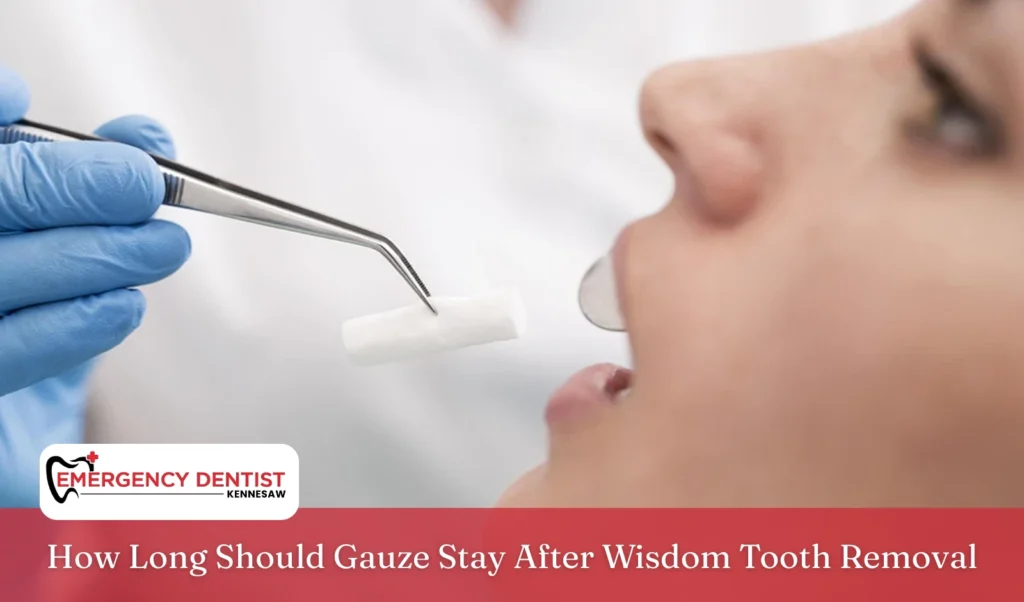
After wisdom teeth removal, place a gauze pad on the extraction site and bite down gently for 30 to 45 minutes. If bleeding continues, replace the gauze every hour after surgery until a protective blood clot forms over the surgical site.
Key Takeaways
- Gauze helps control bleeding after surgery
- Pressure for 30 to 45 minutes helps a clot form
- A healthy clot helps prevent dry sockets
- Soft foods and gentle cleaning support the healing process
- Call a dentist if bleeding does not slow down
After wisdom teeth removal, your body begins healing right away. The opening left behind is called the extraction site, and it needs protection during the first stage of recovery.
A gauze pad applies light pressure to the area. This pressure slows bleeding and allows a blood clot to form‹ inside the socket. The clot works like a natural cover. It protects the bone and nerves while new gum tissue grows.
If the clot is disturbed too soon, pain may increase and healing may take longer. That is why dentists tell patients to bite down gently and avoid too much talking or chewing right after surgery.
In this guide, we will discuss how long gauze should stay in place, when to stop using gauze after wisdom tooth extraction, and how to care for the area so healing goes smoothly.
How Long to Keep Gauze in After Wisdom Tooth Extraction

Knowing how long to keep gauze in after wisdom tooth extraction can make recovery less stressful.
Most dental providers suggest leaving gauze in place for 30 to 45 minutes after the procedure. During this time:
- Keep steady pressure by gently biting
- Avoid chewing or talking too much
- Rest with your head slightly raised
After removing the first gauze, check the area. If bleeding continues, place fresh gauze and repeat. Many patients change gauze several times within the hour after surgery.
Heavy bleeding usually slows the same day. However, light spotting may still happen days after surgery, especially while brushing or eating.
When to Stop Using Gauze After Wisdom Tooth Extraction
Many patients ask when to stop using gauze after wisdom tooth extraction. In most cases, gauze is no longer needed once:
- Bleeding slows to light spotting
- The clot looks stable
- Gauze is no longer soaked
For most people, gauze is not needed later that day. By 24 hours, only small amounts of oozing may remain, and pressure is usually unnecessary.
If mild bleeding starts again during meals, short-term gauze placement can help protect the clot.
What to Do if Bleeding Continues

If bleeding continues, there are simple steps you can take.
Tea Bag Method
Place a damp tea bag on the surgical site. The tannins in tea help tighten blood vessels and support clotting. Bite down gently for about 30 minutes.
Cold Compress
An ice pack on the outside of the cheek helps reduce swelling and slow bleeding during the first day.
Rest and Stay Calm
Avoid exercise and bending forward. Rest helps your body focus on the healing process.
If bleeding does not improve after several hours, contact a dentist.
Caring for the Surgical Site During Recovery

Protecting the surgical site helps prevent problems and supports comfort.
Warm Salt Water Rinse
After the first day, you can rinse your mouth gently using warm salt water. This helps clean the area without disturbing the clot.
Pain Control
Your dentist may recommend pain medications to reduce swelling and soreness. Take them as directed to stay comfortable.
Protect the Clot
To prevent dry sockets, avoid:
- Drinking through straws
- Smoking
- Spitting forcefully
- Touching the extraction area with your tongue
Keeping the clot stable is very important for healing.
Best Foods to Eat After Surgery
Eating carefully protects the extraction site and reduces discomfort.
During the first few days, choose soft foods, including:
- Mashed potatoes
- Yogurt
- Smooth soups
- Oatmeal
- Scrambled eggs
These foods require little chewing and reduce pressure on the healing area. As comfort improves days after surgery, you can slowly return to normal meals.
When to Contact an Emergency Dentist
Mild bleeding and swelling are normal, but you should seek care if you notice:
- Bleeding that does not slow after several hours
- Severe pain or swelling
- Fever or unusual discharge
- Loss of the blood clot
Early care helps protect healing and avoid complications.
Conclusion
Understanding how long to keep gauze in after wisdom tooth extraction helps make recovery easier. Short periods of gentle pressure allow a protective clot to form while reducing bleeding. Rest, careful cleaning, and eating soft foods all support a smooth healing process. With proper aftercare, most patients recover comfortably after wisdom teeth removal.
Kennesaw Wisdom Tooth Healing Support
If recovery feels uncomfortable or bleeding continues, professional help can give you peace of mind. Emergency Dentist in Kennesaw provides careful evaluations, recovery guidance, and prompt treatment after extractions. Getting support early can protect the clot, reduce discomfort, and help you return to daily life with confidence.
Frequently Asked Questions
Can I remove gauze sooner than 30 minutes?
It’s best to keep it in for at least 30 minutes unless bleeding stops completely sooner.
Why does bleeding increase when I talk?
Jaw movement can disturb the clot slightly, causing temporary bleeding.
Is it normal to feel pressure at the extraction site?
Yes. Mild pressure is common and usually improves as swelling decreases.