Helpful Signs of Tooth Infection You Should Know
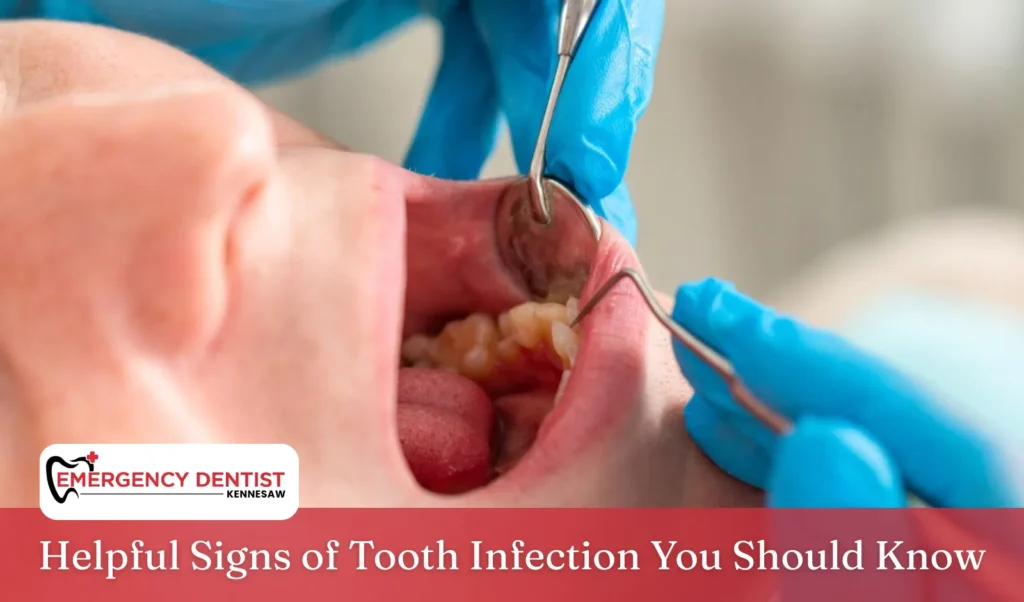
Tooth pain or swelling can feel unsettling, especially when you are not sure what is causing it. Many people search for the signs of tooth infection, infected tooth symptoms, or symptoms of tooth infection because they want clear and calm guidance. This simple guide explains common concerns in everyday language so you can feel informed and better prepared to protect your oral health. It is not meant to diagnose any condition, but it may help you understand what could be happening with an affected tooth and when it may be time to contact a dentist.
What Causes Tooth Infections
A tooth infection often occurs when bacteria enter the tooth or the nearby gums through a weak, cracked, or decayed area. This may happen because of tooth decay, injury, or gum disease. Untreated cavities or worn fillings can also raise the risk of tooth infections. In some cases, dental infections develop into a dental abscess or tooth abscess, which is a pocket of fluid that forms near the tooth or gum.
Your immune system can also affect how strong symptoms feel. When your body is tired, stressed, or run down, discomfort may seem worse than usual and symptoms of a tooth problem may be harder to ignore.

Common Signs and Symptoms to Watch For
People experience discomfort differently, but the list below includes many infected tooth symptoms and signs of a tooth concern.
Pain or Sensitivity
You may notice a steady ache, sharp pain while chewing, or pressure near the tooth. Some people also experience sensitivity to hot or cold drinks that lingers longer than normal. These may be early symptoms of tooth infection.
Swelling or Tenderness
The area around the affected tooth may swell or feel sore. You may also notice swollen lymph nodes under the jaw or in the neck.
Changes in Taste or Smell
A bad taste or unusual odor may appear, especially if fluid drains from a dental abscess.
Pain That Spreads
Sometimes discomfort travels into the neck or ear, which can make it harder to tell exactly which tooth is involved.
Other Possible Symptoms
You might see redness, gum irritation, pressure, or a pimple-like bump near the tooth. These infected tooth symptoms can range from mild to more noticeable over time.
Only a dental professional can confirm the cause of your symptoms. If something feels unusual, it is always wise to seek guidance.
How Dentists May Treat Tooth Infections
The goal of dental treatments is to address the source of the problem and support your comfort. Depending on your situation, a dentist may recommend root canals to clean the inside of the tooth, or in some cases tooth extraction when the tooth cannot be restored. If a tooth abscess is present, it may also require attention. Your dentist will review options that are safe and appropriate for your health and needs.
Home Comfort Tips While You Wait for Care
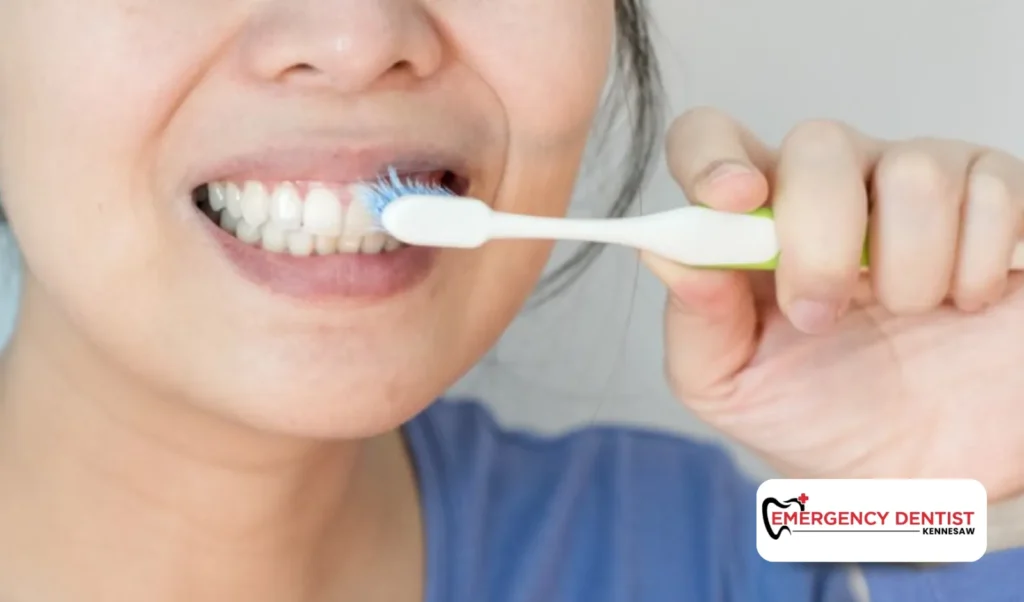
While you wait for an appointment, gentle habits can support good oral hygiene and help keep the area calm:
- Brush softly around the affected tooth
- Rinse slowly with warm water
- Avoid chewing on the sore side
- Notice any swelling or changes
These ideas are for comfort only and are not a substitute for professional dental care or diagnosis.
When to Call a Dentist
Reach out to a dental office if you notice signs of tooth infection, ongoing tooth pain, swelling, or infected tooth symptoms that do not improve. Contact a dentist sooner if you see pus, believe you may have a dental abscess, experience swelling that spreads, or feel pain traveling into your neck or ear. Early attention may help protect your oral health and limit concerns linked with dental infections.
Prevention: Small Habits That Help
Simple daily routines lower the risk of tooth decay, gum disease, and tooth infections. Brushing twice a day, cleaning between teeth, and attending regular checkups all support a healthier smile. Wearing a mouthguard during sports and avoiding using your teeth as tools can also help prevent damage.
Final Thoughts
Learning about the symptoms of tooth infection can feel overwhelming, but many dental concerns are manageable when they are addressed early. Paying attention to changes in your mouth, staying calm, and speaking with a dentist when something does not feel right are some of the best steps you can take. Your comfort and long-term dental health truly matter.
Your Trusted Choice for Urgent Dental Care
If you’re worried about infected tooth symptoms or think you may have a tooth abscess, caring help is close by. Contact an Emergency Dentist in Kennesaw for supportive, same-day attention and clear guidance about your next steps. A friendly team member will listen to your concerns, explain your options, and help you feel confident about your care plan.