
Infection After Tooth Extraction: A Calm Guide to Healing

Learning that you may have an infection after tooth extraction can feel stressful, especially if you start noticing discomfort, a bitter taste, or bad breath around the area. It’s completely normal to wonder what is part of the healing process and what may be a sign of infection. This guide explains what may happen after tooth removal, what to watch for at the extraction site, and when it may help to contact your dentist for reassurance and support.
Why Tooth Removal May Be Needed
A dentist may recommend a dental procedure like tooth removal when a tooth is severely damaged, has deep decay, or has become an infected tooth that can no longer be repaired. This may also happen with wisdom teeth that cause repeated problems or crowd other teeth. Tooth extraction can help protect your oral health and prevent complications.
In some cases, your dentist may also prescribe antibiotics to help reduce bacteria and prevent infection after a tooth is removed. Treatment is always based on your individual needs and overall dental care plan.
What Infection After a Tooth Extraction Means
Most extractions, including wisdom tooth extraction, heal smoothly. During the first 24 hours after treatment, a protective blood clot usually forms in the socket. This clot shields the area and helps the healing process begin. Some pain and swelling are expected at first and typically improve as the days pass.
However, infection after tooth extraction can still occur if bacteria enter the area or the blood clot becomes disturbed. There is also a separate condition called dry socket, which happens when the clot loosens or dissolves too soon. Dry socket isn’t always the same as an infection, but both situations require attention, which is why it’s important to stay aware of symptoms and contact your dentist with concerns.

Possible Signs of Infection
Mild discomfort is normal, but certain symptoms may suggest infection after a tooth extraction. Contact your dentist if you notice:
- Pain and swelling that increase instead of improving
- Swelling that does not begin settling after several days
- Ongoing bad breath
- A lasting bitter taste
- Fever or feeling run-down
- Bleeding that won’t slow
- Pus or unusual discharge
- Trouble opening your mouth
If something doesn’t feel right, treat it as a red flag. Early advice may prevent infection from worsening and protect your healing process.
What Normal Healing Often Looks Like
During the first couple of days, tenderness and mild pain and swelling are common. As the blood clot stays in place, most people notice slow but steady improvement. Chewing may feel sensitive at first, so many patients prefer eating soft foods until the gums begin to heal. Your dentist may also recommend pain medication to support your comfort.
Gentle dental care helps protect the extraction site. Avoid touching the clot, rinse only as instructed, and practice good oral hygiene in the rest of your mouth. Staying hydrated and avoiding smoking are especially important because suction and smoke can irritate the area.

What Can Increase the Risk of Infection
Certain factors may raise the chance of infection after a tooth extraction, such as:
- Infection already present before removal
- Disturbance of the blood clot
- Food particles becoming trapped
- Slower-than-expected healing
- Bacteria entering the socket
Clear communication with your dental team helps you understand each stage of the healing process and how to prevent infection whenever possible.
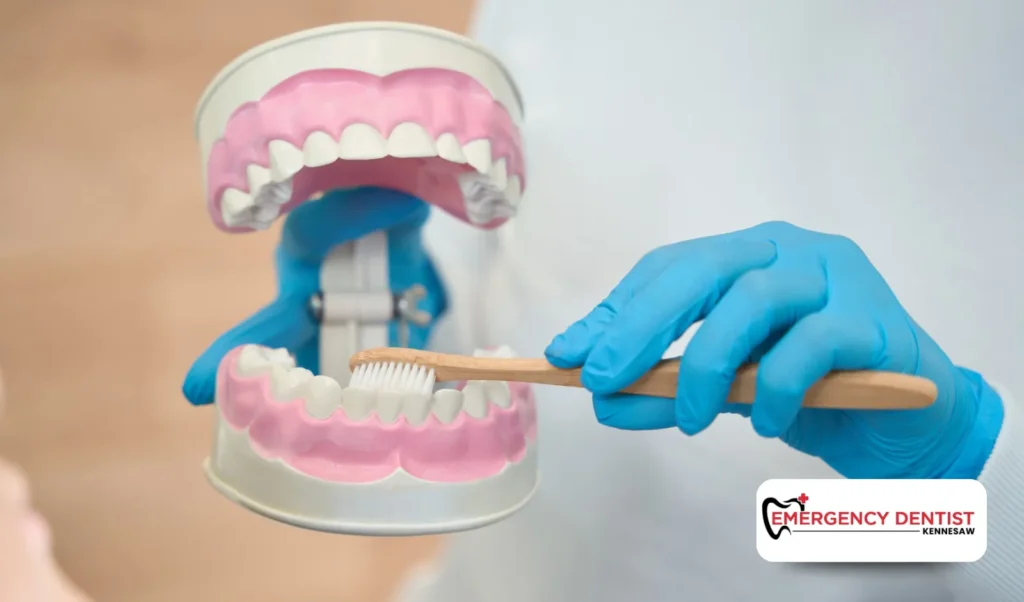
Simple Tips to Support Healing
These daily habits can help protect your gums and support recovery:
- Rest and avoid strenuous activity at first
- Keep your mouth clean while avoiding the extraction site
- Eat soft foods until chewing becomes easier
- Drink plenty of water
- Use pain medication only as directed
- Contact your dentist if something feels unusual
Small, consistent steps play a big role in preventing infection and supporting oral hygiene while your mouth heals.
When You Should Contact Your Dentist
Reach out promptly if you experience worsening pain, swelling, strong odor, a missing or loose blood clot, fever, or any symptom that concerns you. If needed, your dentist may adjust your care plan or prescribe antibiotics to help prevent complications. Asking questions is always encouraged, especially after wisdom tooth extraction or any major dental procedure.
Final Thought
Needing a tooth removed, or worrying about infection after tooth extraction, can feel overwhelming, but you’re not alone. Most people heal well with time, support, and good dental care. Staying aware of changes in your mouth and reaching out when something doesn’t feel right is an important part of protecting your comfort and long-term oral health. Your dental team is there to guide you through the healing process so you feel informed and supported every step of the way.
Gentle Guidance for Your Post-Extraction Healing
If you’re concerned about an infected tooth extraction, unsure about your healing process, or want compassionate advice about possible signs of infection after a tooth extraction, the caring team at Emergency Dentist in Kennesaw is here to support you. You’ll receive clear information, calm reassurance, and patient-focused dental care so you never feel like you’re facing recovery on your own. Reach out today to speak with a friendly professional and feel more confident as you heal.