
After Tooth Extraction White Gums: Recovery Signs to Know
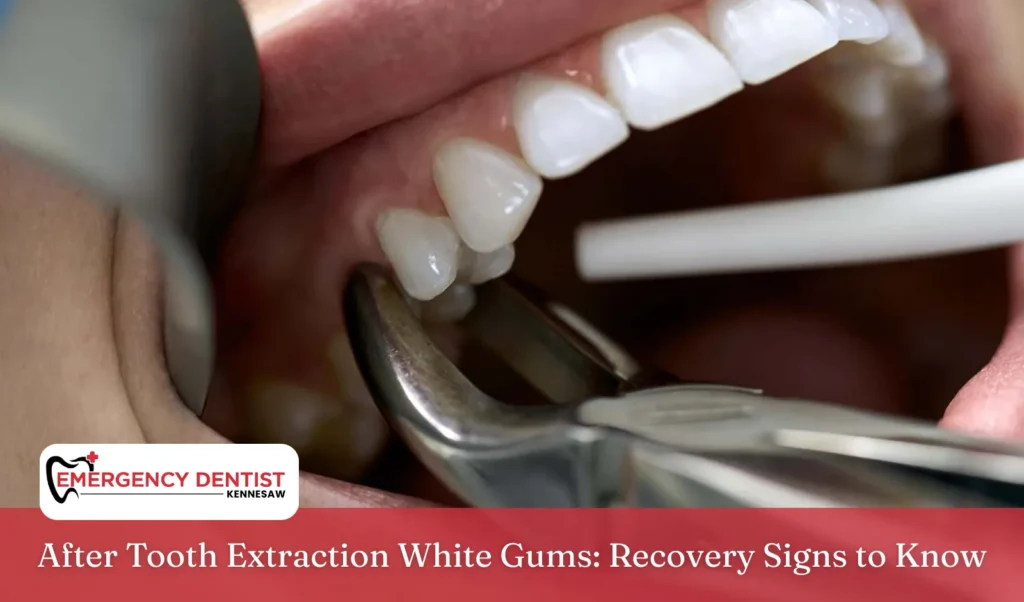
Noticing white gums after tooth extraction can be concerning for many patients. Whether you had a tooth pulled or your wisdom teeth removed, seeing white patches or tissue in the tooth extraction site may feel alarming. However, in most cases, white gums after tooth extraction are a normal part of the healing process. Still, it’s important to understand when this is healthy recovery and when it could signal issues like infection or dry socket.
Why White Gums After Tooth Extraction Occur
When a tooth is pulled, your body begins repairing itself right away. A blood clot forms in the extraction site within the first minutes to hours. This clot protects the underlying blood vessels, bone and nerves, acting as a natural bandage.
As the healing process continues, you may notice white gums or white stuff forming in the socket. This is often granulation tissue, a mix of gum tissue, collagen, and white blood cells, which plays a key role in helping the wound heal properly. Granulation tissue is part of the healing process and should not be mistaken for infection in most cases.
The Normal Healing Process
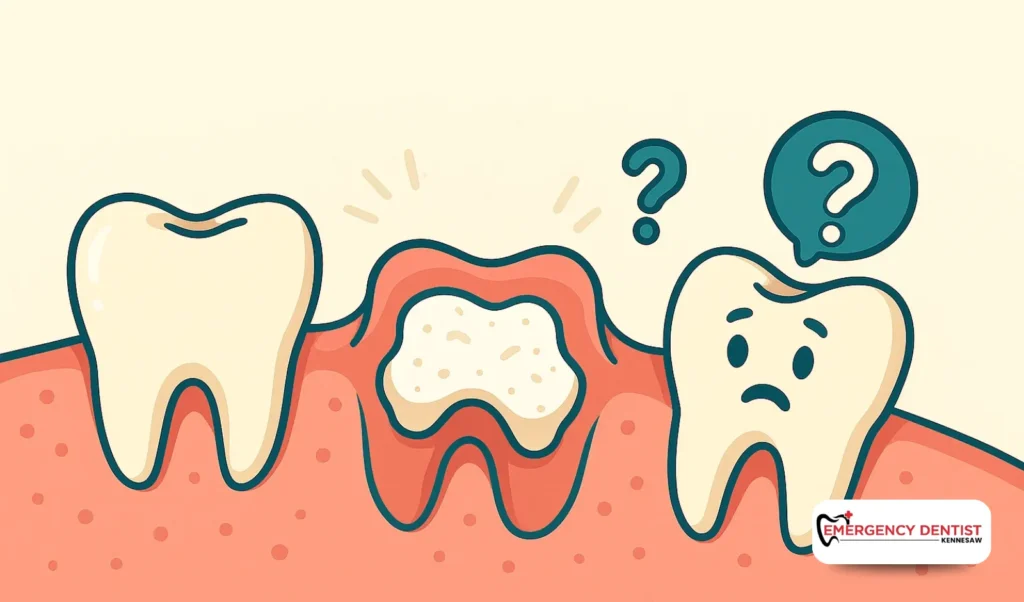
If you notice white gums after tooth extraction, it often means your body is healing properly. Here’s what typically happens:
- Blood clot forms to protect bone and nerves.
- Blood vessels deliver nutrients to rebuild tissue.
- White blood cells fight bacteria and prevent infection.
- Gum tissue begins closing the empty space.
It’s also common to see a whitish coating in the first week. This is granulation tissue covering the wound and protecting the tooth extraction site. For patients who have had wisdom teeth removed, the healing area can appear larger and more noticeable. The healing timeline varies but usually lasts several days to a few weeks, depending on the complexity of the procedure and overall oral health.
When White Gums Might Signal a Problem
Although white gums after tooth extraction are often harmless, there are situations where they could indicate an issue.
- Infection or dry socket – If you develop severe pain, swelling, a foul odor, or pus, the site may not be healing properly.
- Food debris – Sometimes food particles trapped in the socket look like white stuff, slowing down recovery.
- Dislodged blood clot – If you accidentally dislodge the blood clot, the bone and nerves can be exposed, leading to dry sockets, which are very painful and require immediate dental treatment.
At-Home Care for Healing Properly
To support your recovery and reduce risks, follow these simple aftercare tips:
- Gently rinse your mouth with warm salt water 24 hours after the extraction to gently cleanse the area without disturbing the clot.
- Eat soft foods such as yogurt, soup, or mashed potatoes to avoid putting pressure on the site.
- Avoid smoking and straws since suction can dislodge the blood clot.
- Practice gentle oral hygiene to keep your mouth clean while avoiding irritation to the healing site.
These steps help ensure gum tissue develops normally and that the white gums you see are just part of the healing process.
When to Contact a Professional
While most patients recover without complications, certain symptoms mean you should seek professional care right away:
- Severe or worsening pain a few days after extraction
- Persistent bad breath or an unpleasant taste
- Bleeding that doesn’t stop
- Visible bone in the extraction site
If you notice these signs, contact an Emergency Dentist in Kennesaw immediately. Early care can prevent further problems and promote faster healing.
Conclusion
Seeing after tooth extraction white gums is usually a natural part of healing. The white tissue you notice is often granulation tissue and white blood cells working to protect and rebuild the site. However, problems can occur if you dislodge the blood clot, leave food debris in the socket, or develop dry sockets.
By taking good care after your tooth extraction, rinsing your mouth gently with warm salt water, eating soft foods, and protecting the blood clot, you help your gum tissue heal smoothly. If you notice pain, swelling, or anything unusual, call an Emergency Dentist in Kennesaw right away to keep your recovery on track.
Frequently Asked Questions
Is it normal to observe white gums following a tooth extraction?
Yes. White gums are generally granulation tissue, which indicates that the tooth extraction healing process is progressing properly.
How can I distinguish between normal healing and a possible infection?
If discomfort lessens each day, it typically reflects proper healing. However, swelling, pus, or an unpleasant odor may indicate infection or dry socket.
What measures can help prevent the development of a dry socket?
To prevent dry socket, avoid smoking, refrain from using straws, consume soft foods, and rinse your mouth gently with warm salt water.
Why does white tissue appear in the socket after a tooth has been pulled?
The white tissue is most often new gum tissue or white blood cells working to repair the tooth extraction site. In some cases, it may also consist of food debris.