
Can a Dentist Fix a Cracked Tooth? Quick Treatment Guide
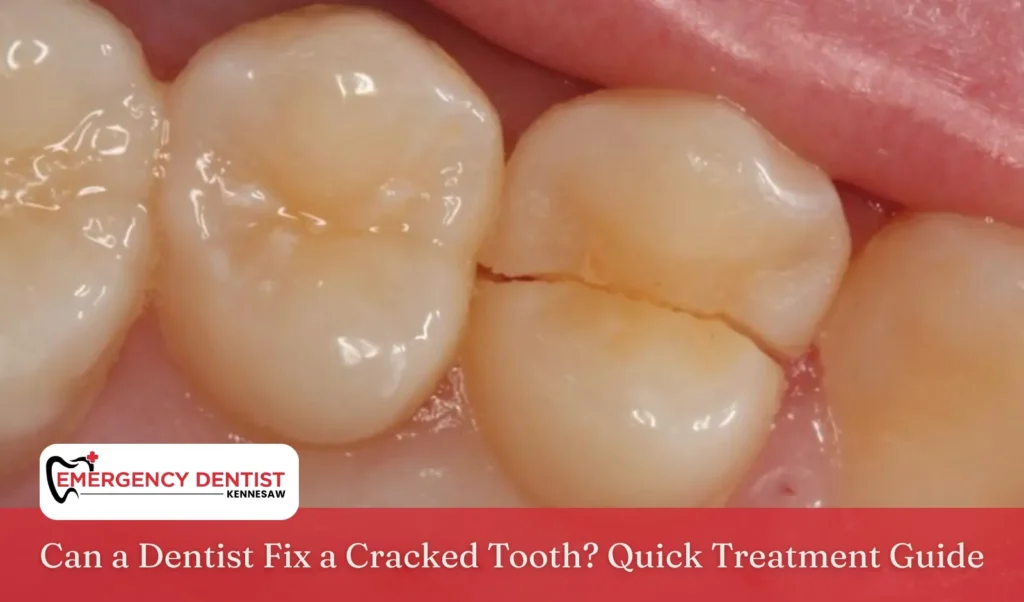
A cracked or chipped tooth can be uncomfortable, painful, or even alarming. Whether the damage is small or severe, getting prompt treatment is essential to prevent infection and protect your oral health. If you’ve been wondering, “Can a dentist fix a cracked tooth?” This guide explains the most common treatment options, what to expect during your visit, and how to keep your teeth healthy for the long term.
What Causes a Cracked Tooth?
Your tooth enamel is one of the hardest materials in the human body, but it’s not indestructible. Everyday activities like biting hard foods, teeth grinding, or accidents can lead to cracks. Over time, normal wear can also create craze lines, tiny, harmless surface cracks that may deepen if left untreated.
Common signs of a damaged tooth include sharp pain while chewing, sensitivity to temperature, or a visible line across the surface of the tooth. If ignored, the crack can extend deeper into the tooth, possibly reaching the root of the tooth and increasing the risk of infection. Seeing a cracked tooth dentist right away is the best way to save the tooth and prevent complications.
Types of Cracked Teeth
Before treatment, your dentist will identify what kind of crack you have. Each type requires a specific treatment option:
- Craze lines: Small, shallow cracks that only affect the enamel and are usually cosmetic.
- Fractured cusp: A piece of the chewing surface breaks off, often near a filling.
- Split tooth: A deep crack that divides the tooth into two sections, sometimes requiring tooth extraction.
How Does a Dentist Fix a Cracked Tooth?
When you visit a cracked tooth dentist, they’ll start with a detailed exam using X-rays and a visual inspection to see how far the crack extends and whether it reaches the pulp or root. Based on what they find, your dentist will recommend the best treatment option to restore the tooth and protect your natural tooth structure.
- Dental Bonding
For small chips or minor cracks, dental bonding is a quick and affordable fix. The dentist applies a tooth-colored resin that matches your enamel, shapes it to repair the chipped or broken tooth, and hardens it with a special light.
Bonding is ideal for surface-level cracks that don’t reach deeper layers. It’s painless, enhances appearance, and preserves your natural tooth without removing healthy enamel.
- Dental Crowns
If the crack extends into the dentin or weakens the tooth, a dental crown may be needed. A crown acts like a protective cap that covers the entire tooth, restoring its strength and preventing further damage.
Crowns are especially useful for fractured cusps, large cracks, or teeth that have had root canal therapy. Sometimes, a temporary crown is placed while the permanent one is made. Crowns not only save the tooth but also provide long-term durability and a natural look.
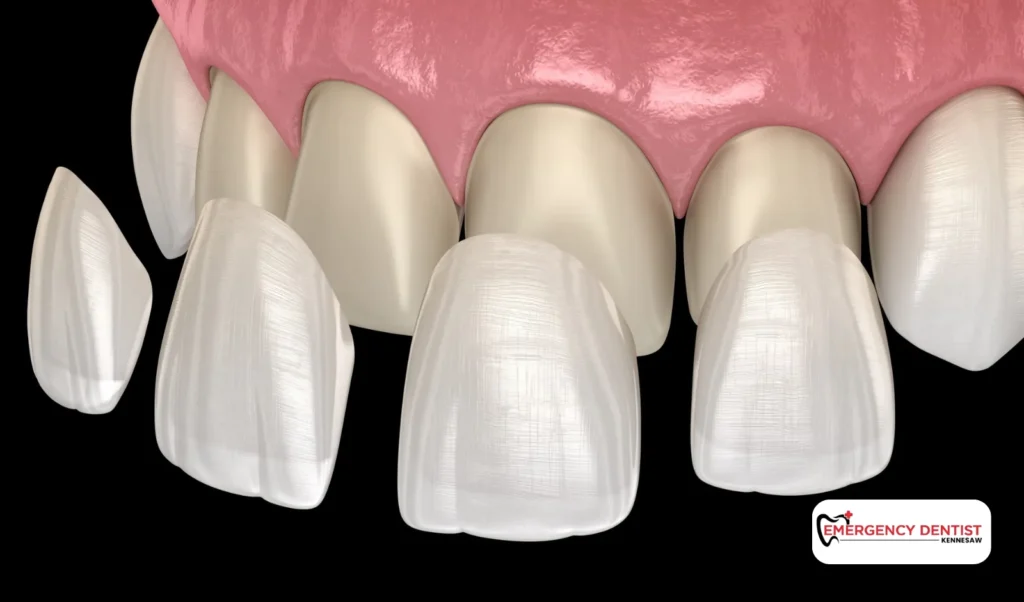
- Dental Veneers
For cracks or chips on front teeth, dental veneers are a cosmetic and protective choice. These thin porcelain shells bond to the surface of the tooth, hiding cracks or discoloration while strengthening the enamel.
Though mostly aesthetic, veneers also reinforce weak teeth and help prevent more cracks, perfect for keeping your smile strong and natural.
If the crack reaches the pulp, where nerves and blood vessels are located, root canal therapy may be necessary. The dentist removes the infected tissue, cleans the canal, and seals it to prevent reinfection.
Afterward, a dental crown is usually placed for extra protection. This treatment relieves pain, prevents infection, and helps save the tooth from tooth extraction.
- Tooth Extraction and Replacement
In severe cases, like a split tooth or vertical root fracture, the damage may be beyond repair, and tooth extraction is the best option. Removing the tooth stops infection and protects nearby teeth.
Once healed, your dentist may suggest a dental implant, bridge, or denture to replace it. Implants are a long-lasting, natural-looking solution that helps maintain your bite, jawbone, and overall oral health.
Aftercare and Healing Tips
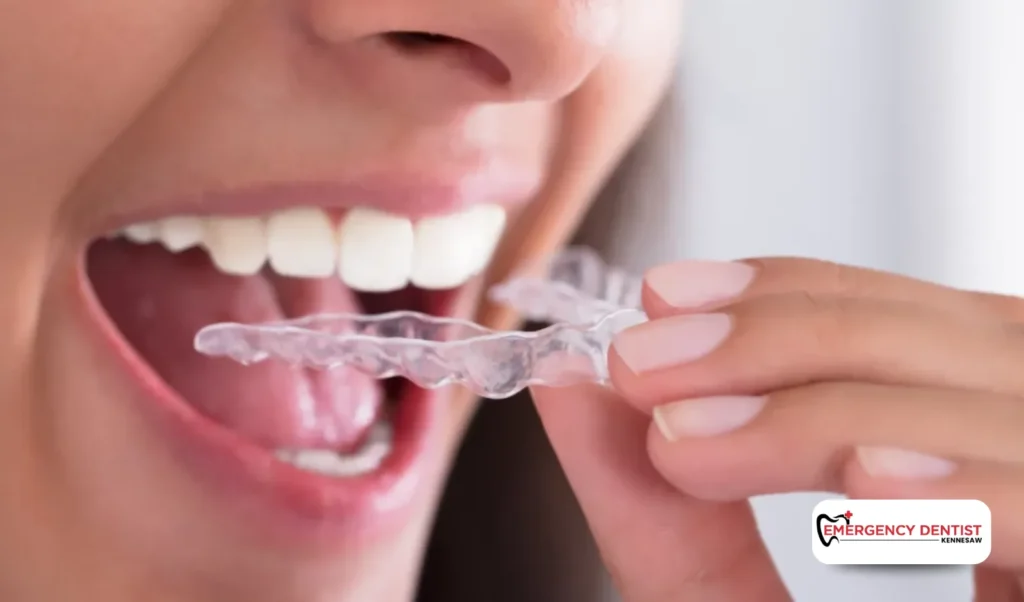
After treatment, proper care helps speed up recovery and ensures long-lasting results.
- Rinse with warm salt water to reduce bacteria and soothe the gums.
- Avoid chewing hard foods on the treated side.
- Brush gently with a soft-bristled toothbrush.
- Attend regular checkups so your dentist can monitor healing.
Good dental care after treatment ensures your natural tooth stays strong and healthy for the long term.
When It’s a Dental Emergency
If you have a cracked or chipped tooth that causes pain, swelling, or bleeding, it could be a dental emergency. Without treatment, bacteria can enter the deeper layers of the tooth, causing infection or permanent damage.
Don’t wait, contact an Emergency Dentist in Kennesaw right away. Quick action can relieve pain, save the tooth, and protect your oral health.
Conclusion
So, can a dentist fix a cracked tooth? Absolutely. With treatments like dental bonding, veneers, crowns, and root canal therapy, most cracks can be repaired. Even if tooth extraction is needed, a dental implant or bridge can restore your smile.
A cracked tooth doesn’t always mean losing it. With quick treatment and good dental care, you can save the tooth, protect your oral health, and keep your smile strong for years.