Crack Tooth Syndrome: Early Signs and Effective Treatments
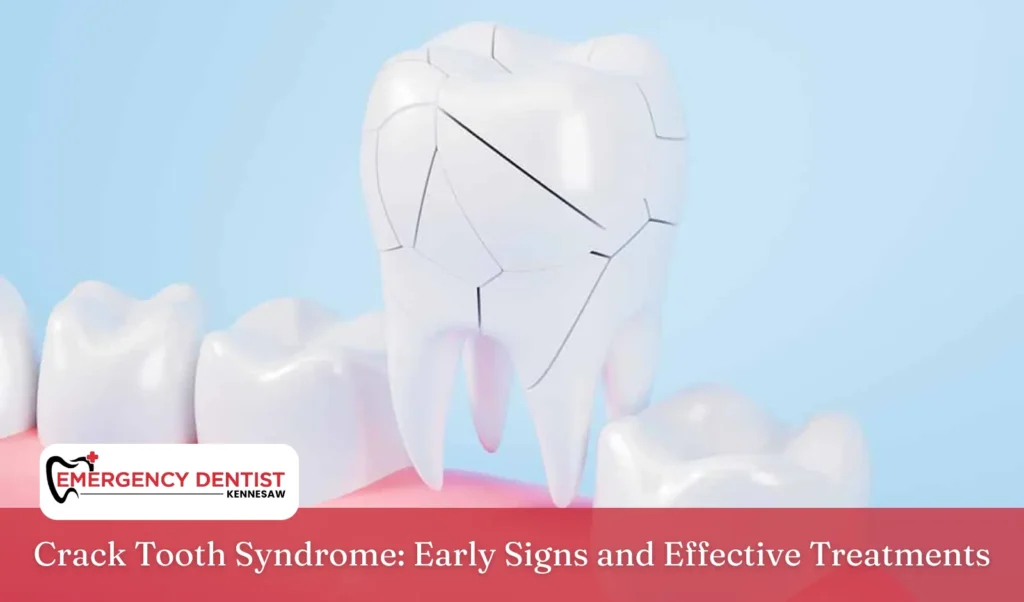
If you’ve ever noticed sudden pain while chewing or sensitivity to hot or cold foods, you may be showing early cracked tooth symptoms. One condition that’s often missed is cracked tooth syndrome (CTS), a dental issue where tiny tooth cracks form within the enamel or deeper layers of a tooth. Over time, these cracks can worsen and lead to infection or the need for tooth extraction. Recognizing cracked tooth syndrome symptoms early and visiting an Emergency Dentist in Kennesaw can prevent major problems and protect your oral health.
What Is Cracked Tooth Syndrome (CTS)?
Crack tooth syndrome, also known as cracked tooth syndrome (CTS), occurs when small, often invisible fracture lines develop in a tooth. Unlike a fully broken tooth, these cracks can be difficult to see during a visual exam. The severity depends on how deep the cracks extend, whether confined to the tooth enamel, reaching the dentin, or spreading down toward the dental pulp near the root of the tooth. If the pulp becomes inflamed or infected, the pain can worsen significantly, and treatment becomes more involved. Because symptoms may come and go, many people delay seeking care until serious damage occurs.
Cracked Tooth Symptoms to Look Out For
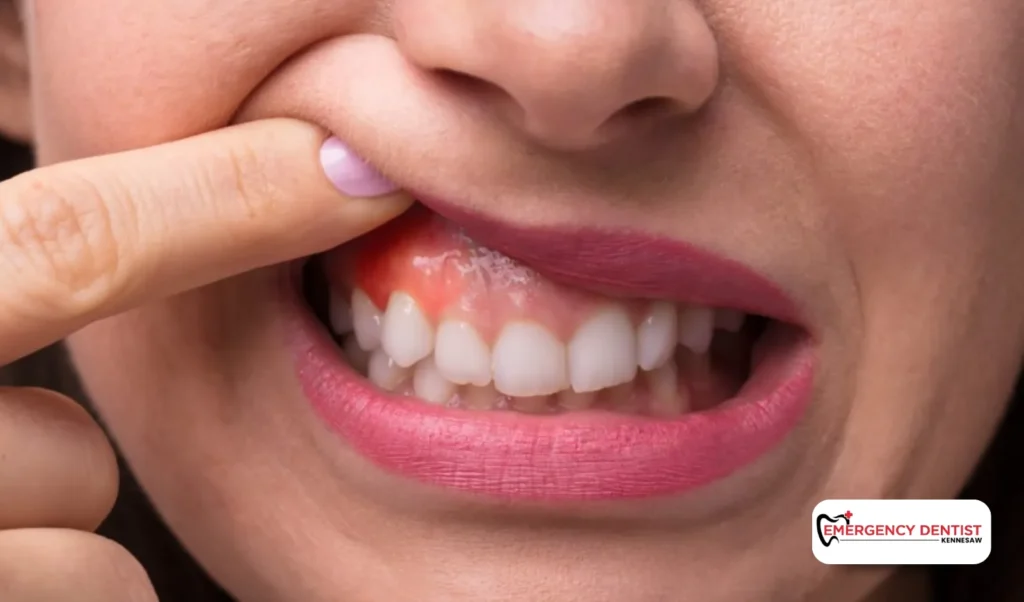
Cracked tooth syndrome symptoms can differ from person to person. Common warning signs include:
- Sharp tooth pain when biting or releasing pressure
- Sensitivity to hot or cold foods and drinks
- Discomfort around the gum line near the affected tooth
- A sensation that something is caught between your teeth
- Intermittent pain that’s hard to pinpoint
These symptoms often mimic other dental issues, so providing your dental history helps your dentist make an accurate diagnosis and treatment plan.
Types of Cracked Teeth
Understanding the types of cracked teeth helps determine the right treatment option:
1. Craze Lines
These are small, surface-level tooth cracks on the enamel. They are mostly cosmetic but can worsen from teeth grinding or biting hard objects.
2. Fractured Cusp
A fractured cusp occurs when a piece of the chewing surface breaks away, often around a filling. It rarely affects the dental pulp, but it can cause sensitivity or pain when chewing.
3. Split Tooth
A split tooth develops when a crack extends deep enough to divide the tooth into separate segments. This severe tooth fracture often requires extensive dental treatment or even extraction.
4. Vertical Root Fracture
A vertical root fracture starts at the root of the tooth and progresses upward. It might not cause pain right away, but it can lead to infection or bone loss if left untreated.
What Causes Cracked Tooth Syndrome?
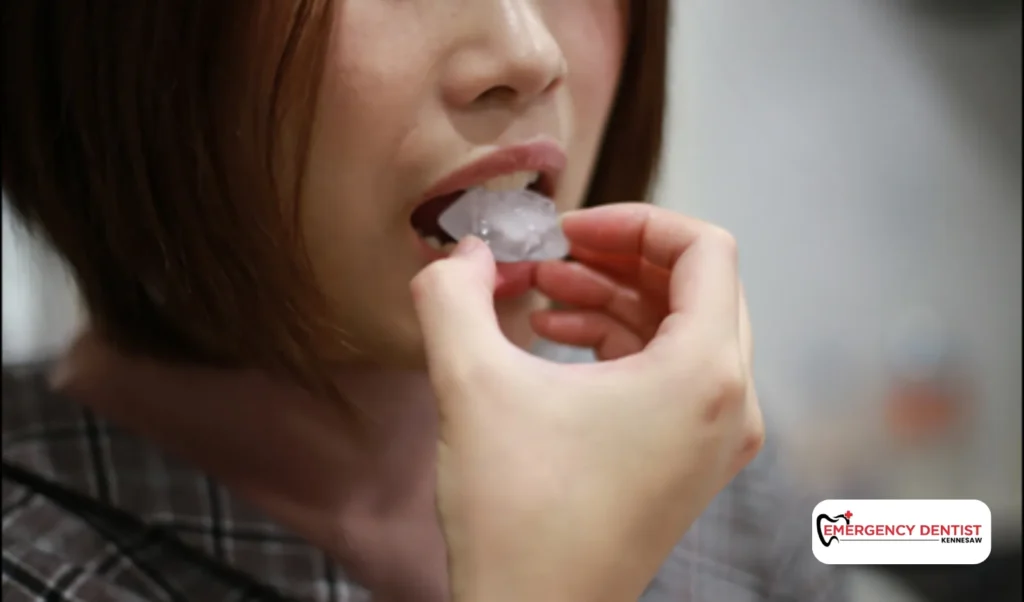
Several factors can contribute to a fractured tooth or tooth fracture:
- Biting down on hard objects such as ice, nuts, or candies
- Teeth grinding (bruxism) that weakens enamel
- Large fillings that reduce tooth strength
- Dental trauma from accidents or sports injuries
- Natural wear and tear from aging
Even strong, healthy teeth can develop cracks or fractures when placed under repeated stress or sudden impact.
How Dentists Diagnose Cracked Tooth Syndrome
Diagnosing cracked tooth syndrome can be tricky because fracture lines are often microscopic. Standard X-rays may not reveal them clearly. Dentists use magnification tools, bite tests, or fiber-optic lighting to detect subtle tooth cracks. In some cases, staining or advanced imaging is used to confirm the diagnosis. A thorough review of your dental history ensures accurate diagnosis and treatment for lasting results.
Treatment Options for a Cracked or Fractured Tooth
The right treatment option depends on how severe and deep the crack or fracture is:
- Dental Bonding or Filling: Used for surface-level cracks like craze lines to restore appearance and strength.
- Filling or Crown: A filling or crown reinforces and protects a fractured tooth, preventing further cracking.
- Root Canal Treatment: If the crack extends into the dental pulp, a root canal treatment removes infection and preserves the natural tooth.
- Tooth Extraction: In cases of split tooth or vertical root fracture, extraction may be the only option. After a tooth is extracted, an implant or bridge can restore your smile.
Prompt diagnosis and treatment improve the likelihood of saving your natural tooth.
Why You Shouldn’t Ignore a Cracked Tooth
A small fractured cusp may seem minor, but if left untreated, it can lead to serious infection or tooth pain. As cracks extend, bacteria can invade the dental pulp, causing inflammation, abscesses, and bone damage. Ignoring the warning signs of cracked tooth syndrome may turn a simple filling or crown into a more complex root canal treatment or even a tooth extraction.
Emergency Dentist in Kennesaw: Immediate Help When Needed
If you suspect a broken tooth or fractured tooth, don’t wait for the pain to worsen. An Emergency Dentist in Kennesaw can assess the situation quickly, identify hidden fracture lines, and provide the right treatment option. With same-day appointments and advanced technology, you can relieve discomfort and stop the crack or fracture from progressing.
Preventing Cracked Tooth Syndrome
While some causes of crack tooth syndrome are unavoidable, prevention plays a key role in maintaining strong teeth:
- Avoid chewing hard foods or ice
- Wear a mouthguard if you grind your teeth
- Use protective gear during contact sports to avoid dental trauma
- Strengthen enamel with fluoride and good hygiene habits
- Schedule routine dental visits for early detection of tooth cracks
Taking these preventive measures helps preserve your teeth and overall oral health.
Conclusion
Cracked tooth syndrome (CTS) may begin with minor discomfort but can quickly escalate if ignored. Recognizing cracked tooth symptoms such as pain when chewing or sensitivity to hot or cold foods allows for early intervention. Treatments may include bonding, a filling or crown, root canal treatment, or extraction, depending on the severity.
If you experience pain near the gum line or suspect a fractured tooth, contact an Emergency Dentist in Kennesaw for expert diagnosis and treatment. Early action prevents infection, restores comfort, and protects your long-term oral health.