
White Stuff in Tooth Extraction: What to Expect in Healing
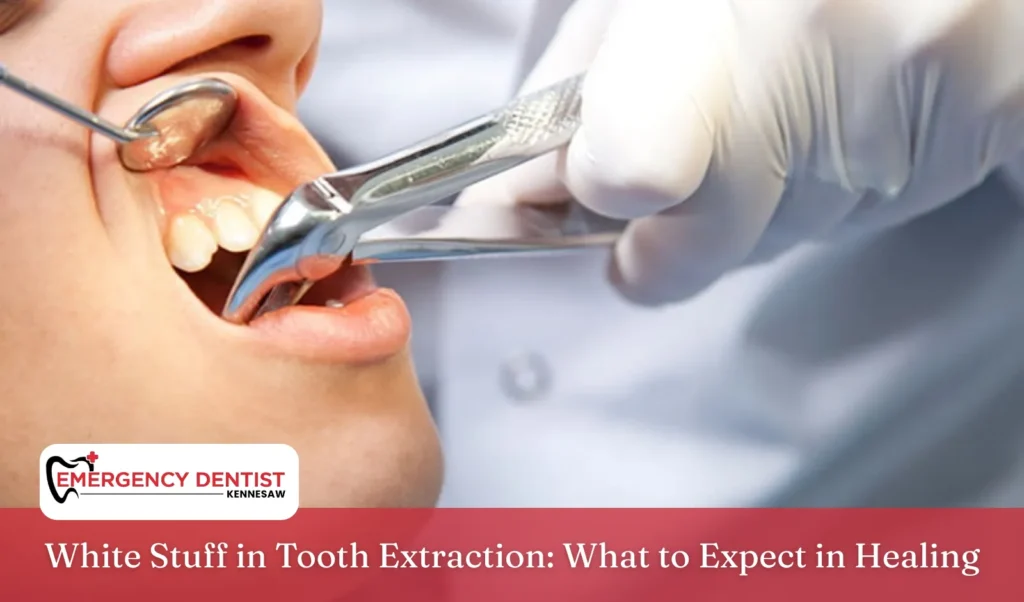
Having a tooth removed can feel overwhelming, and many patients worry about whether their healing is progressing normally. One of the most common concerns is noticing white stuff in a tooth extraction site. It might appear within the first 24 hours or a few days later, often raising questions about whether this is part of normal healing or a warning sign of complications. Understanding what this tooth extraction white stuff represents, and when to contact an Emergency Dentist in Kennesaw, will give you confidence throughout recovery.
What Is the White Stuff in a Tooth Extraction Site?
When a tooth is pulled, your body begins the natural tooth extraction healing process immediately. Within the first 24 hours, a blood clot forms in the socket. This clot protects exposed bone and nerves, provides a foundation for new tissue, and prevents bacteria from invading the wound.
As days pass, you may see white stuff on an extracted tooth or near the gum line. In most cases, this appearance is completely normal and even a positive sign that you are healing properly. Common reasons for this whitish look include:
- White blood cells gather to defend against bacteria.
- Newly forming gum tissue closing over the wound.
- Granulation tissue made of blood vessels, collagen, and protective cells, which often looks pale or whitish.
By around 48 hours, you might notice a thin film or white layer across the tooth extraction site. While it can look unusual, it typically represents healing tissue, not a sign of infection.
Common Causes of White Stuff in Tooth Extraction Sites
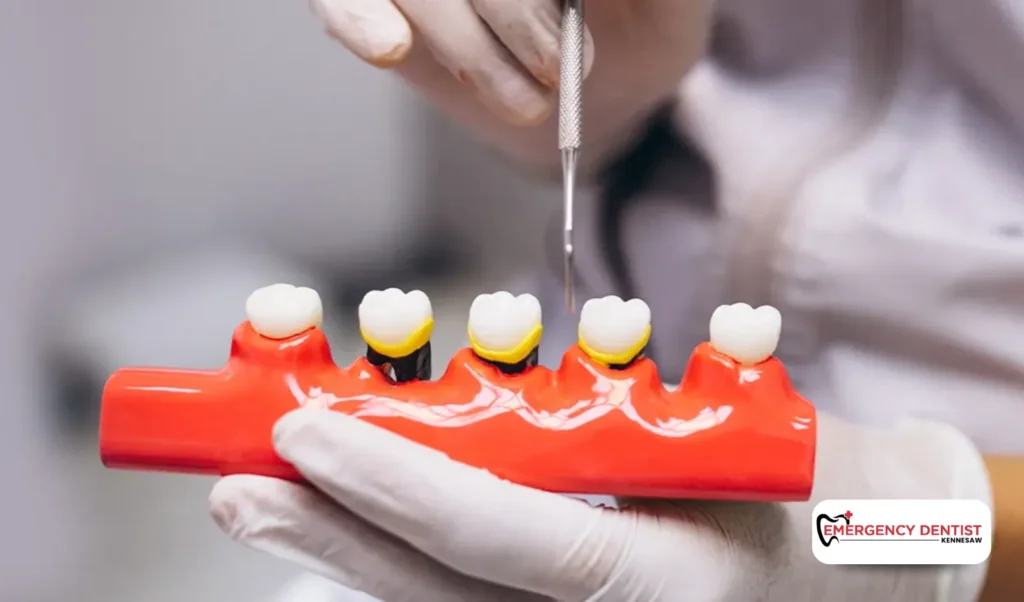
Several factors may cause the white appearance in the socket. Most are part of the body’s natural repair, though some may require closer observation.
1. Blood Clot and Healing Tissue
As the blood clot forms and develops, it naturally changes color. Initially red, it may shift to white, yellow, or gray as new tissue replaces it.
2. White Blood Cells
The immune system directs white blood cells to the extraction area. Their protective role often makes the site look pale or white during early healing.
3. Gum Tissue Growth
As the wound begins closing, new gum tissue grows across the site. Early gum tissue often looks white before blending with the surrounding gums.
4. Food Debris or Food Particles
Occasionally, food particles may become trapped in the socket, creating the appearance of food debris. Unlike healing tissue, food debris may cause a foul taste or odor. To avoid this, always gently rinse with warm salt water after meals.
5. Bone Exposure
Following extractions, especially when wisdom teeth are removed, the socket may be deep enough that the underlying bone becomes visible. This is not always harmful but should be checked by your dentist to ensure you are healing properly.
White Stuff: Normal Healing vs. a Problem
Seeing white stuff in tooth extraction sites is often a normal part of recovery. Still, it is important to distinguish healthy healing from potential complications.
Normal Healing Signs:
- Mild soreness that improves daily
- A steady white or yellow layer that remains in place
- No foul odor or unpleasant taste
- Swelling that gradually decreases
Warning Signs of Trouble:
- Severe or throbbing pain developing 2-3 days after extraction
- A socket that looks empty, suggesting you may have dislodged the blood clot
- Persistent bad taste or foul odor
- Redness and swelling that worsen instead of improve
These symptoms may indicate infection or dry socket, conditions that require prompt treatment from an Emergency Dentist in Kennesaw.
Caring for the Tooth Extraction Site
How you care for your mouth after extraction directly impacts your recovery. Following proper aftercare helps the blood clot form and stabilize, while protecting the bone and nerves underneath. Use these steps to support tooth extraction healing and avoid complications.
1. Rinse Your Mouth Gently
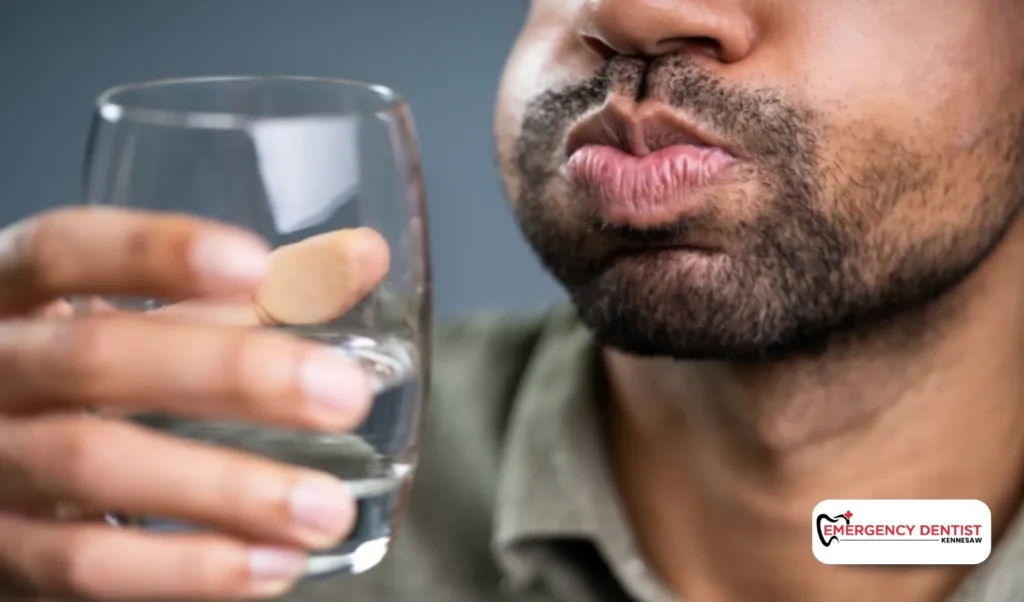
Do not rinse during the first 24 hours. Beginning on the second day, gently rinse your mouth with warm salt water several times daily. This helps wash away loose food particles, reduce bacteria, and soothe the gums. Always avoid forceful swishing, as it can dislodge the clot.
2. Keep the Area Clean
Brush and floss your other teeth as usual but avoid direct contact with the tooth extraction site. Allow the protective layer of healing tissue to remain undisturbed, as it shields the bone and nerves during recovery.
3. Eat Soft Foods
For the first few days, choose foods like yogurt, mashed potatoes, oatmeal, scrambled eggs, and soup. Soft foods minimize irritation and reduce the risk of food debris becoming lodged in the socket. As the site strengthens, you can gradually return to solid foods.
4. Avoid Smoking and Straws
Smoking and straw use create suction that can easily dislodge the blood clot. This dramatically raises the risk of infection or dry socket. It’s best to avoid these habits entirely until your dentist confirms the site is healing properly.
5. Protect the First 48 Hours
The first 48 hours are the most critical stage of recovery. Follow your dentist’s advice, rest when needed, and avoid unnecessary strain. Careful attention during this time helps the clot stabilize and promotes gum tissue growth.
Understanding Normal Healing
It is common to see white stuff tooth extraction sites as part of natural recovery. Most of the time, this appearance is nothing more than white blood cells, granulation tissue, or new gum tissue forming. However, you should remain alert for a sign of infection. If the white material is paired with worsening pain, swelling, or odor, seek professional care immediately.
Conclusion
Noticing white stuff in a tooth extraction site may feel concerning, but in most cases, it reflects the body’s healing response. The whitish layer often represents a maturing clot, early gum growth, or protective white blood cells rather than infection.
To support recovery, rinse your mouth with warm salt water, eat soft foods, keep the area clean, and avoid habits that could dislodge the blood clot. These steps help protect the underlying blood vessels, bone, and nerves, ensuring the site is healing properly.
If you are ever unsure about your symptoms or notice changes that suggest a sign of infection, do not hesitate to contact your dentist. For urgent care, an Emergency Dentist in Kennesaw is available to provide prompt treatment and peace of mind.
With consistent aftercare and professional guidance, you can expect a smooth recovery and a confident return to normal oral health.