
Dry Socket After Tooth Extraction: Symptoms and Care
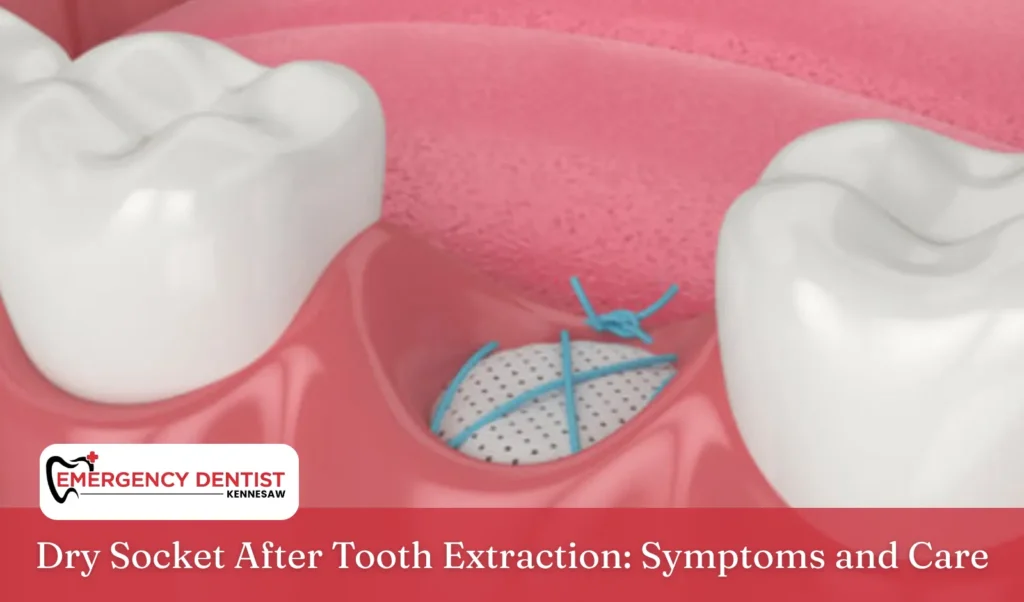
Having a tooth pulled is a fairly routine dental procedure, but recovery doesn’t always go as smoothly as expected. One painful complication that may occur after tooth extraction is called a dry socket. Many patients ask, what is a dry socket after tooth extraction or what is a dry socket in tooth extraction? This article explains the condition clearly, what it is, why it happens, the symptoms of dry socket, how to prevent dry socket, and when to see an Emergency Dentist in Kennesaw to ensure your socket heals properly.
What Is a Dry Socket in Tooth Extraction?
A dry socket, also called alveolar osteitis, is a painful complication that sometimes follows removing a tooth. Normally, after extraction, a blood clot forms in the socket. This clot is essential, it shields the site, protects the bone and nerve, and begins the healing process.
If the clot is disturbed, dissolves too quickly, or fails to form, the result is a dry socket. Without that barrier, the site is left with exposed bone and sensitive tissue. Instead of normal healing, inflammation and pain develop. While not everyone will experience this, a dry socket is one of the most common complications after wisdom teeth removal.
What Causes a Dry Socket?

Certain factors can make it more likely to develop a dry socket:
- Rinsing or trying to rinse your mouth too forcefully before the clot is secure.
- Smoking or drinking through straws, which create suction and may dislodge the clot that forms in the socket.
- Taking birth control pills, since hormone changes may interfere with healing.
- Poor oral hygiene or having a pre-existing infection.
- Trauma during surgery or difficulty when a tooth is pulled.
These issues can prevent a healthy clot from staying in place, leaving the site open to irritation and infection.
Symptoms of Dry Socket
Recognizing the signs early is key to recovery. Common symptoms of dry socket include:
- Severe pain a few days after tooth extraction.
- A visible site with exposed bone instead of tissue.
- Persistent bad taste or noticeable bad breath.
- Pain that spreads to the ear, temple, or eye.
- Delayed socket heals compared to normal recovery.
If you experience these signs, contact an Emergency Dentist in Kennesaw as soon as possible.
How to Prevent Dry Socket

Prevention is the best way to protect your healing. After removing a tooth, follow your dentist’s instructions carefully:
- Avoid spitting, smoking, or using straws for at least 48 hours.
- Stick with soft foods like yogurt, mashed potatoes, and smoothies.
- Allow the blood clot to form naturally and do not disturb it.
- After 24 hours, gently rinse with salt water to keep the site clean.
- Continue brushing and flossing carefully around the area without irritating the socket.
By protecting the clot, you lower your risk of developing dry socket and help your mouth heal more comfortably.
How an Emergency Dentist in Kennesaw Can Treat Dry Socket
If prevention isn’t enough, an Emergency Dentist in Kennesaw can treat dry socket with professional care. Treatment may include:
- Cleaning the socket to remove bacteria and debris.
- Placing medicated dressings to ease pain and protect the tissue.
- Prescribing antibiotics or pain relievers if necessary.
These steps not only relieve discomfort but also encourage the socket to heal correctly.
Wisdom Teeth Removal and Dry Socket Risks
Dry socket is more common after wisdom teeth removal. These teeth are in the back of the mouth, which is harder to keep clean. Their sockets are also larger, making them more likely to have problems if the blood clot forms incorrectly.
Because of this, patients who have a tooth pulled in this area need to be extra careful. Eating soft foods, cleaning gently, and going to follow-up visits with the dentist are important steps to prevent developing dry socket.
Conclusion
A dry socket after tooth extraction can cause severe pain, but knowing what to expect makes recovery easier. When a blood clot forms in the socket, it shields the area and protects the bone and nerve, allowing the socket to heal naturally. If the clot is disturbed, however, problems like exposed bone, swelling, and discomfort can occur.
The good news is that you can prevent dry sockets by avoiding smoking, straws, and forceful rinsing. Stick to soft foods, use gentle salt water rinses, and follow your dentist’s directions. If the symptoms of dry socket include ongoing pain or bad breath, an Emergency Dentist in Kennesaw can quickly treat dry socket and guide you toward safe, comfortable recovery.