
Does Tooth Extraction Hurt? Tips for a Smooth Recovery
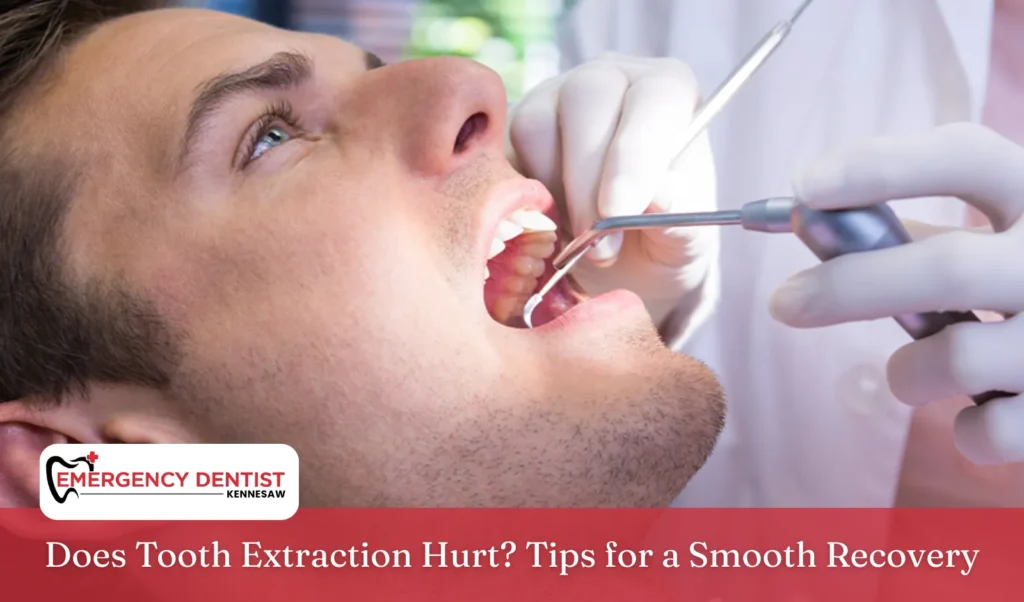
When the time comes for a tooth removal, one of the most common questions is, “Does tooth extraction hurt?” It’s natural to feel nervous since dental procedures often bring anxiety. Whether you need simple extractions or more complex surgical extractions, knowing what happens can ease your mind. If urgent care is needed, an Emergency Dentist in Kennesaw can make sure your procedure is safe and as comfortable as possible.
Understanding Tooth Extraction
A tooth extraction is the process of removing a tooth from its socket in the jawbone. Dentists usually recommend it when a tooth is badly damaged by decay, trauma, or infection. There are two main types:
- Simple extractions: The dentist loosens and removes a visible tooth. You might still feel pressure, but you won’t feel sharp pain.
- Surgical extractions: A small cut may be made in the gum tissue to remove an impacted or broken tooth.
Both procedures are common, and dentists take steps to ensure patients stay comfortable throughout the healing process.
Does a Tooth Extraction Hurt During the Procedure?
Patients often ask, “Does a tooth extraction hurt during the procedure?” Thanks to modern methods, the answer is usually no. Before starting, the dentist will numb the area with local anesthesia so you don’t feel sharp pain. You may notice pressure or movement, but not pain. For more complicated surgical extractions, sedation may also be used to help you relax. With these techniques, any extraction hurt is kept to a minimum, and most patients find the experience far easier than expected.
Does Tooth Extraction Hurt After the Procedure?
Another common concern is, “Does tooth extraction hurt after?” Once the anesthesia wears off, it’s normal to feel some soreness. Pain and swelling often peak within the first 24 hours and may last up to 48 hours before improving. During this time, the healing process begins as a blood clot forms in the socket. This clot is vital because it protects bone and nerves while new gum tissue grows.
If the clot doesn’t form or comes out too soon, it can result in dry socket, a painful complication that delays recovery. It may also cause bad breath or an unpleasant taste. Following your dentist’s aftercare instructions helps you avoid this problem.
Common Side Effects and Risks

Some side effects like mild bleeding, swelling, and soreness are normal after an extraction and usually fade in a few days. However, complications can occur:
- Dry socket: Severe pain when the blood clot fails to form or comes loose.
- Infection: Look for signs of infection such as fever, worsening swelling, pus, or a foul taste.
Noticing these symptoms early and choosing to contact your dentist right away can prevent further problems and protect your oral health.
Pain Management After Extraction
Most discomfort can be controlled with good pain management. Your dentist may prescribe pain medication, or you can take over-the-counter options for counter pain, such as ibuprofen or acetaminophen. Applying an ice pack on your cheek in short intervals during the first day helps reduce swelling and pain.
Resting during the first 24 hours is important. After that, begin rinsing your mouth gently with warm salt water to reduce bacteria and keep the area clean without disturbing the clot.
Diet plays a key role as well. Patients should eat soft foods such as yogurt, smoothies, scrambled eggs, and mashed potatoes. Avoid crunchy or spicy foods until your dentist advises otherwise. Choosing soft food helps protect the extraction site and supports the healing process.
Supporting Oral Health During Recovery
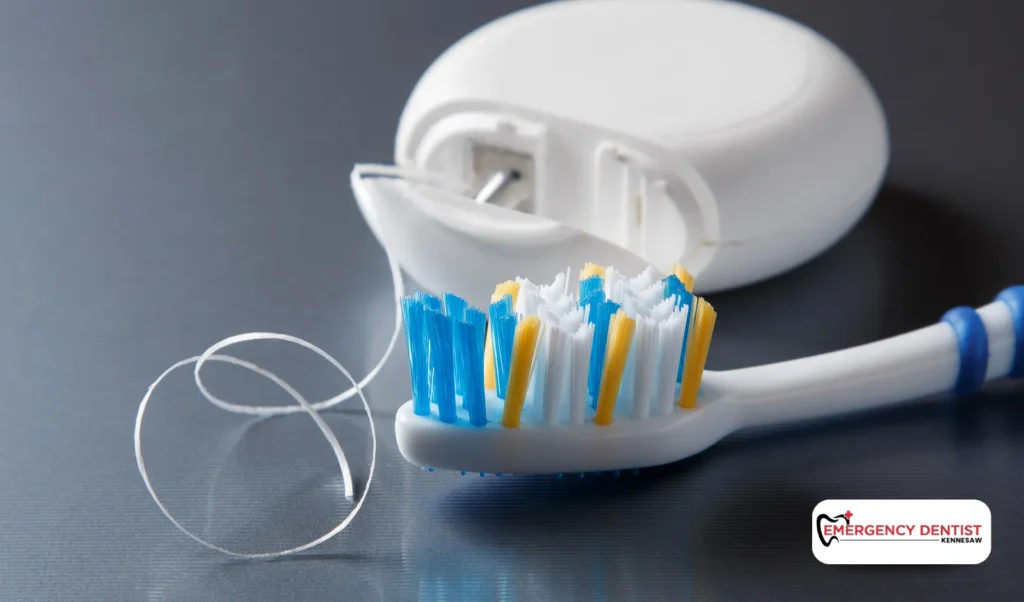
Even after a tooth is removed, it’s important to care for your mouth properly. For the first couple of days, avoid brushing directly on the extraction site, but continue brushing and flossing your other teeth. This gentle approach protects the gum tissue, lowers the risk of infection, and keeps healing on track. Always follow your dentist’s aftercare instructions to maintain strong oral health.
When to See an Emergency Dentist in Kennesaw
Most extractions heal without major problems, but sometimes you may need professional help. If you find that tooth extractions hurt more than expected, or if pain gets worse instead of better, it may be a sign of complications. Pay attention to swelling that doesn’t improve, bleeding that won’t stop, or other signs of infection such as fever or pus.
In these situations, an Emergency Dentist in Kennesaw can examine the site, provide stronger pain management, and treat issues early. Quick care ensures your healing process stays on track and gives you peace of mind.
Conclusion
So, does tooth extraction hurt? Thanks to modern dental care, the procedure itself is generally painless. Some soreness afterward is normal but manageable with pain relievers, an ice pack, warm salt water rinses, and a soft food diet. Resting for the first 24–48 hours is also key to recovery.
Whether you’re asking if a tooth extraction hurts, wondering if tooth extractions hurt during the procedure, or concerned about whether tooth extraction hurts after the first day, the reality is that discomfort is short-lived and manageable. With proper aftercare, awareness of risks like dry socket, and knowing when to contact an Emergency Dentist in Kennesaw, you can protect your oral health and recover smoothly.