

Recovery and Care During Tooth Extraction Healing Stages
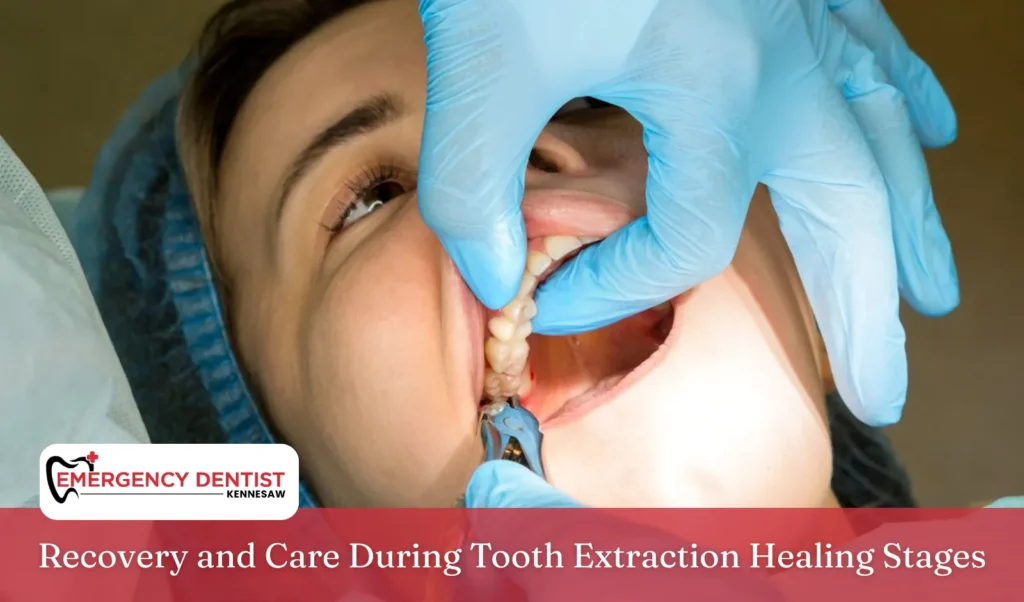
Having a tooth removed can feel overwhelming, but knowing the tooth extraction healing stages makes the process easier and less stressful. Whether you’ve had a simple removal or a surgical extraction, understanding the healing process helps you protect your oral health, avoid complications, and recover more comfortably. If urgent care is needed, an Emergency Dentist in Kennesaw can provide immediate treatment and guidance.
The Healing Stage of Tooth Extraction
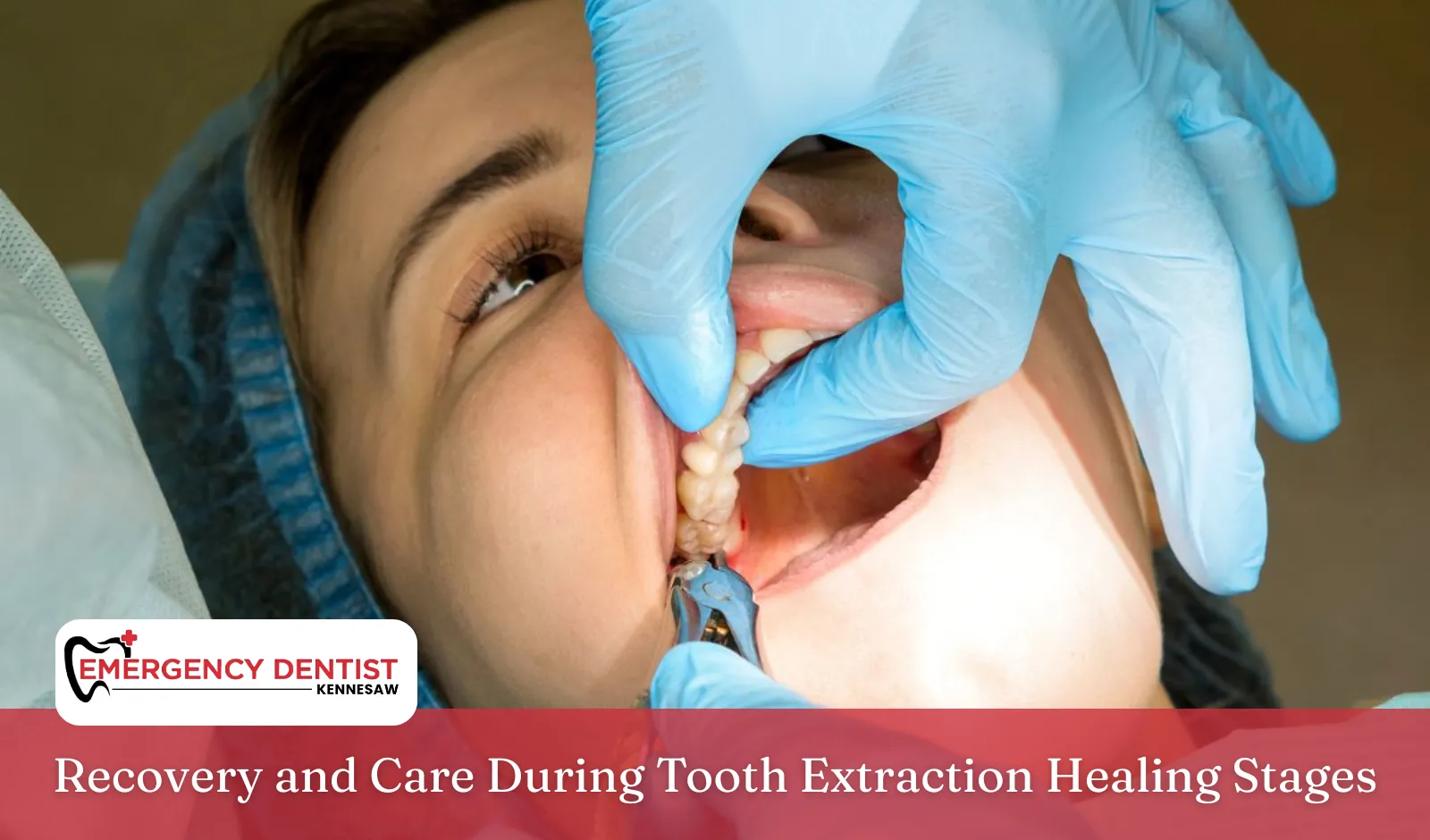
Recovery happens in phases, and each healing stage of tooth extraction is important. Right after the tooth is taken out, a blood clot forms in the socket. This clot covers the exposed bone and nerves while creating a base for gum tissue and bone repair. Without it, healing would be delayed.
In the first few days, pain and swelling are expected. Your body begins repairing the soft tissues around the tooth socket, and discomfort can usually be managed with prescribed or over-the-counter pain relievers. Applying an ice pack can also help reduce swelling and ease soreness.
Within one to two weeks, the extraction site should begin closing, with new tissue forming in the socket. As the gum tissue heals, swelling and tenderness should fade. The last stage, which may take several weeks, involves the jawbone filling in and the site becoming fully healed. Healing times vary depending on your health and the complexity of the procedure.
Avoiding Dry Socket
One of the biggest risks after extraction is dry socket. This condition happens when the blood clot that forms becomes dislodged or dissolves too soon, leaving bone exposed. Without protection, healing slows, and severe pain and swelling can occur.
Dry socket can be caused by dislodging the blood clot through actions like using a straw, spitting forcefully, or rinsing too aggressively. Smoking is another major risk, since it reduces circulation and interferes with the healing process. Poor brushing and flossing habits may also increase the chance of infection. If you feel sharp pain several days after your procedure, it’s important to contact your dentist immediately.
Supporting the Healing Process
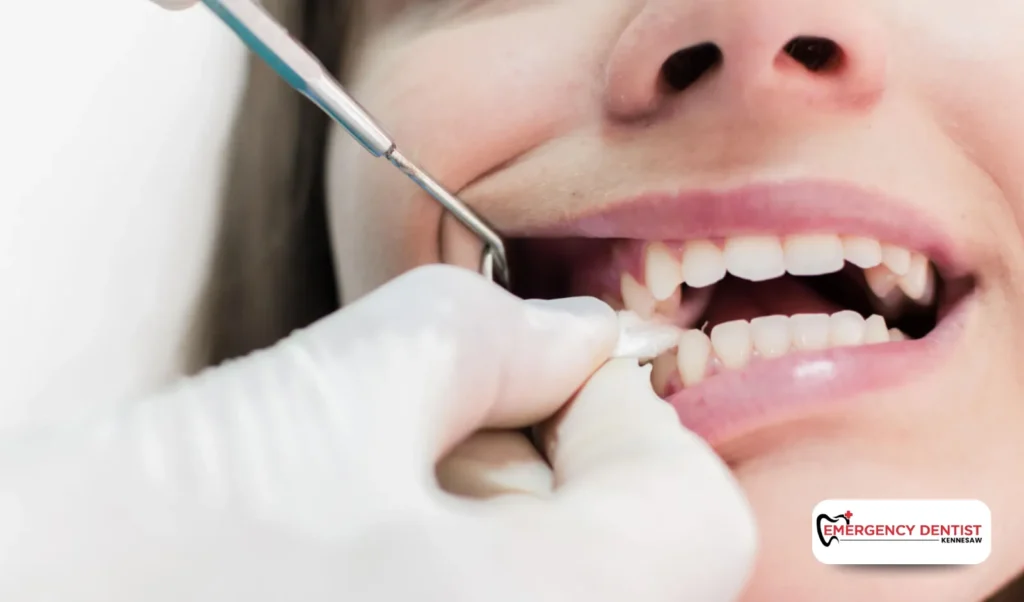
To ensure proper healing, protect the clot and reduce irritation. After your procedure, your dentist will place a gauze pad over the area. Bite down gently for about 15 minutes to stop bleeding and stabilize the clot.
For the first 24 hours after the extraction, rest and avoid disturbing the extraction site. Apply an ice pack in short intervals to reduce swelling and manage pain. Stick to soft foods, and avoid chewing near the treated side. Continue brushing and flossing your other teeth to maintain good oral hygiene, but don’t touch the socket directly. Once your dentist gives you the go-ahead, gently rinsing with warm salt water can keep the area clean and support the healing process.
If discomfort continues, use dentist-recommended pain relievers. These steps support your oral health and allow tissues and bone to continue forming in the socket.
Key Do’s and Don’ts After Extraction
To keep recovery on track, follow these simple guidelines:
- Do protect the blood clot form and follow your dentist’s instructions.
- Do replace the gauze pad as directed and rest on the first day.
- Do use an ice pack to manage pain and swelling during the first 24 hours.
- Don’t smoke, as it slows the healing process and raises the risk of dry socket.
- Don’t rinse too vigorously or spit forcefully, which could disturb the clot forming in the socket.
By following these do’s and don’ts, you’ll protect your gum tissue and shorten recovery time.
Severe Pain or Bleeding After Extraction?
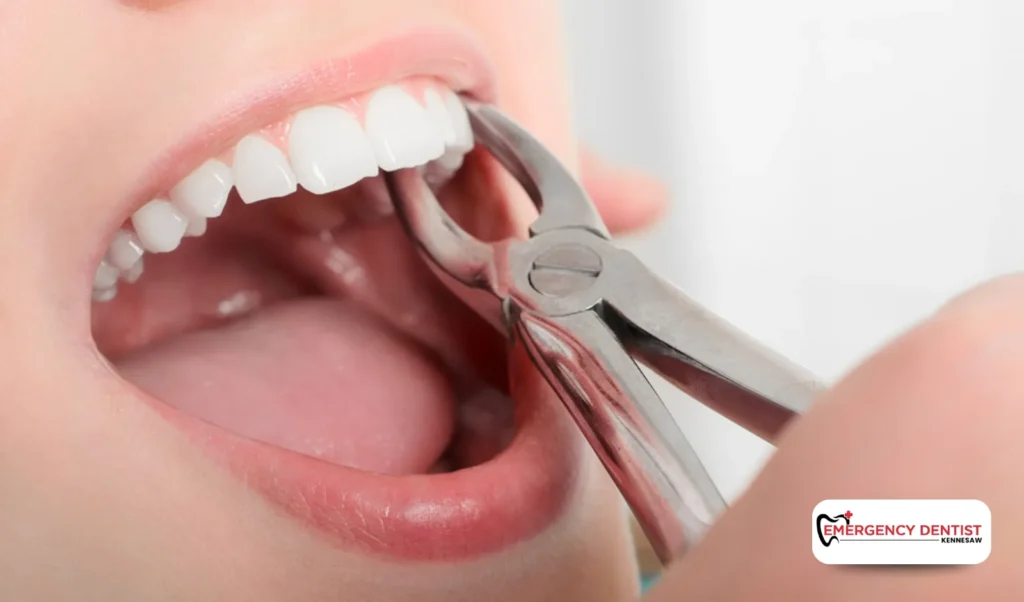
Mild soreness, pain and swelling are normal during early recovery, but certain symptoms should never be ignored. If you notice heavy bleeding, severe pain that doesn’t improve with pain relievers, or possible signs of infection like fever, swelling that worsens, or a foul odor, you should act quickly. These issues may indicate complications that could interrupt the healing process.
Always contact your dentist if something doesn’t feel right. For urgent cases, an Emergency Dentist in Kennesaw can provide prompt care to relieve your discomfort, stabilize the extraction site, and protect your oral health.
Conclusion
The healing stage of tooth extraction takes patience, but with the right care, recovery becomes easier. Protect the blood clot that forms, keep your gum tissue healthy, and closely follow your dentist’s instructions. Be gentle with brushing and flossing, and always avoid smoking. Simple steps like using a gauze pad for about 15 minutes, applying cold compresses, and taking pain relievers as needed make a huge difference.
By avoiding habits that risk disturbing the extraction site and practicing good aftercare, you’ll ensure proper healing. With consistency and patience, you’ll return to your normal routine faster while keeping your oral health strong and your smile healthy for years to come.